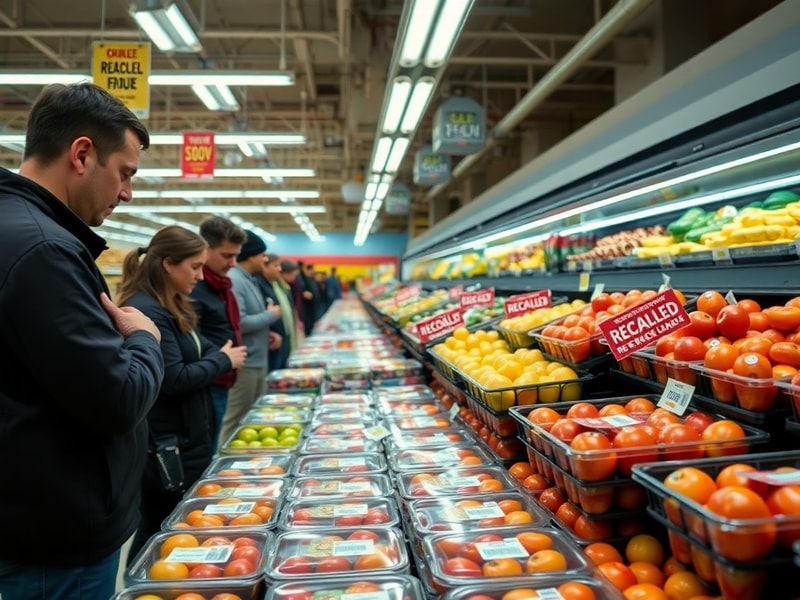
UK supermarkets recall fruit over salmonella fears: full list of affected products
Major supermarkets issue widespread recalls of prepackaged fruit amid salmonella concerns
Several of the UK’s largest supermarket chains have initiated urgent recalls of prepackaged fruit products this week, following the detection of Salmonella contamination in distribution centres. The affected items include fruit salads, mixed berry packs, and pre-cut pineapple, with multiple brands implicated in the alert. While no cases of illness have been reported at the time of writing, food safety authorities are urging consumers to check their refrigerators and dispose of any recalled products immediately.
The Food Standards Agency (FSA) confirmed it had been notified of the contamination risk by a third-party supplier operating across multiple supermarket supply chains. The issue appears to stem from a single processing facility where hygiene protocols may have failed, allowing the bacteria to enter the production line. “This is a precautionary measure,” said a spokesperson for the FSA. “We are working closely with retailers to trace the source and ensure no further products enter the market.”
Supermarkets including Tesco, Sainsbury’s, Asda, and Morrisons have all issued official recall notices, with some extending the withdrawal to include products sold in the past two weeks. The affected fruit lines are typically sold in clear plastic trays or sealed bags, often positioned in the refrigerated produce section or near deli counters.
Which products are affected?
The recalls span a range of prepackaged fruit items, though the exact varieties vary by supermarket. Below is a summary of the most commonly recalled products:
- Prepacked fruit salads (sold in 200g–400g packs)
- Mixed berry selections (strawberries, blueberries, raspberries)
- Pre-cut pineapple chunks or spears
- Ready-to-eat fruit cups with added yoghurt or cream
- Exotic fruit medleys (containing mango, papaya, or passion fruit)
Consumers are advised to check the product label for batch codes or use-by dates, which are often printed on the bottom or side of the packaging. A full list of affected items, including specific supermarket codes, is available on the FSA website. Retailers have also set up helplines for customers with concerns.
Why prepackaged fruit is particularly vulnerable
Prepackaged fruit has become a staple in supermarkets due to its convenience and perceived freshness. However, the processing and cutting involved in preparing these products can introduce contamination risks that whole, uncut fruit does not face. When fruit is sliced or diced, the protective skin is removed, creating entry points for bacteria. If hygiene standards are not strictly followed during handling, washing, or packaging, Salmonella—which thrives in moist environments—can take hold.
“The risk isn’t necessarily the fruit itself,” explained Dr. Lisa Carter, a food microbiologist at the University of Birmingham. “It’s the environment in which it’s prepared. Cross-contamination from unclean surfaces, utensils, or even workers’ hands can transfer bacteria onto the fruit. Once it’s sealed in a plastic tray, any bacteria present have a perfect breeding ground.”
This incident echoes a similar recall in 2022, when a major supplier of pre-cut melon was forced to withdraw products after Salmonella was detected. That outbreak led to 34 reported illnesses across England and Wales. The recurrence highlights systemic challenges in maintaining high hygiene standards across large-scale fruit preparation facilities.
Broader implications for the food industry
The recalls come at a time when supermarkets are under intense scrutiny over food safety and supply chain transparency. Consumer trust in prepackaged produce has already been shaken by a series of high-profile incidents, including the 2020 E. coli outbreak linked to bagged salad. Each new recall risks eroding confidence further, particularly among vulnerable groups such as young children, the elderly, and immunocompromised individuals.
For retailers, the financial and reputational fallout can be severe. Beyond the immediate cost of removing products from shelves, supermarkets may face legal action if negligence is proven. Rebuilding consumer trust will require more than just issuing recall notices—it will demand visible improvements in food handling practices and greater transparency in sourcing.
“Supermarkets are in a bind,” said retail analyst Mark Whitmore. “On one hand, they need to meet demand for convenient, ready-to-eat products. On the other, they must ensure those products are safe. The current model relies heavily on third-party suppliers, which can dilute accountability. This incident should prompt a review of how closely retailers monitor every step of the supply chain.”
What should consumers do?
While the risk of illness appears low, health experts recommend taking immediate precautions. If you have purchased any prepackaged fruit in the past two weeks, check the FSA’s recall list online. Products can be identified by barcode or product description. If you’re unsure whether your item is affected, err on the side of caution and dispose of it.
For those who have already consumed the fruit without falling ill, there’s no need for panic. Symptoms of Salmonella infection—including diarrhoea, fever, and abdominal cramps—typically appear within 6 to 72 hours. Most healthy adults recover without medical treatment, though severe cases may require hospitalisation. Parents of young children are advised to monitor for signs of dehydration.
To reduce future risks, consider opting for whole fruit that you prepare yourself, as the intact skin provides a natural barrier against contamination. If convenience is a priority, look for products labelled as “washed and ready to eat,” but remain vigilant about storage times once opened.
Looking ahead: Can the industry do better?
The current recalls underscore a critical flaw in the way prepackaged fruit is handled. While automation has improved efficiency, it has also created new vulnerabilities where human error or lapses in hygiene can have widespread consequences. The food industry must prioritise investment in better training, stricter audits, and perhaps even new technologies—such as UV sterilisation of cutting equipment—to mitigate these risks.
Regulators, too, may need to reassess their approach. The FSA’s reactive stance, while necessary in the short term, often feels like damage control rather than prevention. A more proactive model, involving regular, unannounced inspections of high-risk facilities, could help catch issues before they escalate.
For now, consumers are left navigating a landscape where convenience comes with a side of uncertainty. Until the root causes of these contamination risks are addressed, the next recall may be just around the corner.
For more on food safety and consumer rights, visit our Food Safety section. To understand how supply chain issues impact everyday products like these, read our analysis on Retail Trends.