2026 World Cup fixtures: Schedule, key matches, and how to plan
The FIFA World Cup is the most-watched sporting event on the planet, drawing billions of viewers every four years. When fixtures are announced, the anticipation reaches fever pitch as fans dissect schedules, travel logistics, and potential clashes of powerhouse teams. The 2026 edition, co-hosted by the United States, Canada, and Mexico, promises an expanded 48-team format, reshaping the tournament’s structure and creating new dynamics for supporters and broadcasters alike.
How World Cup fixtures are determined
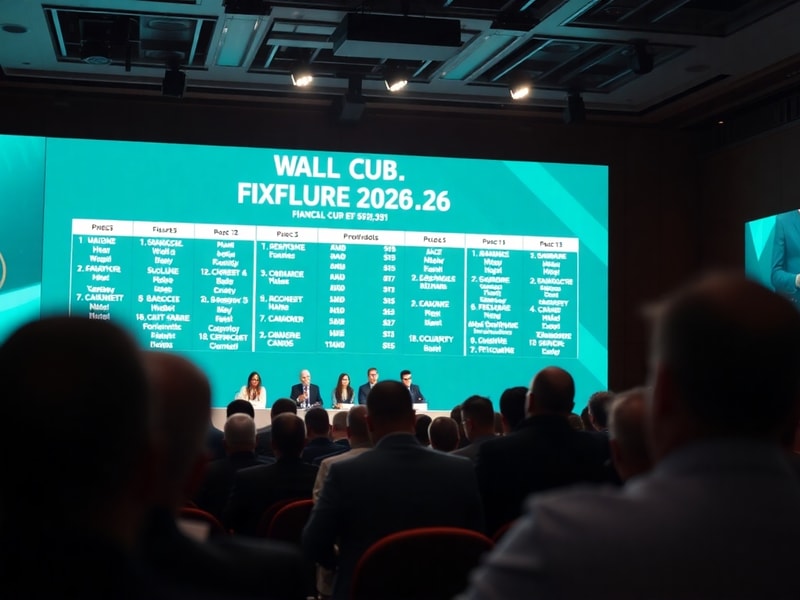
The process begins years in advance, with FIFA’s Competitions Department developing a comprehensive framework. The draw ceremony—often a high-profile global event—assigns teams to groups based on seeding, geography, and historical performance. For 2026, the 12 groups of four teams each were drawn to ensure geographic separation while maintaining competitive balance.
Matches are scheduled in stages. The group stage spans 12 days, with teams playing three games each. The knockout rounds follow a single-elimination format, beginning with the Round of 48—a new feature in 2026—before narrowing to the quarter-finals, semi-finals, third-place playoff, and final. Kick-off times are carefully balanced to maximize global TV audiences across time zones, with early matches in North America catering to U.S. primetime slots and late-night games in Europe and Asia.
Key scheduling considerations
Several factors influence fixture placement beyond fan excitement. Stadium availability, local climate, and even cultural events play roles. For instance, matches in Qatar during the 2022 World Cup were scheduled for November and December to avoid the extreme summer heat. In 2026, organizers will aim to avoid overlapping with major domestic leagues like the English Premier League or La Liga, reducing player fatigue and scheduling conflicts.
Venue logistics also matter. While iconic stadiums like SoFi in Los Angeles and Azteca in Mexico City will host marquee fixtures, smaller venues in Canada and other U.S. cities must accommodate logistical needs such as fan zones, transport hubs, and broadcast infrastructure. FIFA’s official fixtures document outlines stadium assignments, kick-off times, and broadcast partners for each matchday.
What to expect from the 2026 World Cup schedule
The expanded format introduces both opportunities and challenges. With 48 teams instead of 32, the tournament runs longer—39 days in total—requiring careful planning for broadcasters and sponsors. The Round of 48 means nearly half the teams will exit after just three matches, raising the stakes for group-stage drama.
North American venues are arranged across three time zones: Eastern (e.g., New York/New Jersey), Central (e.g., Dallas), and Pacific (e.g., Los Angeles). This spread allows for staggered kick-off times, giving broadcasters multiple windows for prime-time coverage. For fans, it means strategic travel planning—flying from a West Coast match to an East Coast quarter-final requires careful timing.
Notable fixtures and potential clashes
Traditional rivalries like England vs. Argentina, Brazil vs. France, and Germany vs. Spain are likely to draw massive viewership. But the expanded field introduces fresh possibilities: a potential round-of-16 clash between Morocco and Portugal, or a Group B showdown involving Spain, Croatia, and debutant teams like the Philippines or Indonesia.
Organizers are also expected to schedule high-profile knockout ties on weekends to maximize attendance and TV ratings. The final, set for July 19, 2026, at MetLife Stadium in New Jersey, will cap a tournament filled with narrative arcs—underdog stories, veteran comebacks, and tactical masterclasses.
How fans can plan around the fixtures
For supporters planning to attend, early preparation is essential. FIFA’s official sports travel page offers guidance on visa requirements, accommodation blocks, and matchday transport. Fans should also consider team base camps—locations where national teams train and stay—which are often far from match venues.
Ticket allocation follows a tiered system. Priority goes to local fans through a lottery, with the remainder available via FIFA’s official platform. Prices vary by stage and venue, with group-stage tickets starting around $100 in some venues, while knockout finals could exceed $2,000. Secondary markets like StubHub and Vivid Seats provide options, though fans should exercise caution to avoid scams.
Broadcast and streaming options
Global broadcasting rights are split among networks like Fox (U.S.), BBC/ITV (UK), and Telemundo (Spanish-language U.S.). Streaming services such as Peacock and FuboTV will offer live matches, highlights, and behind-the-scenes content. In regions without dedicated broadcasters, FIFA+ will provide free-to-air streaming for select games.
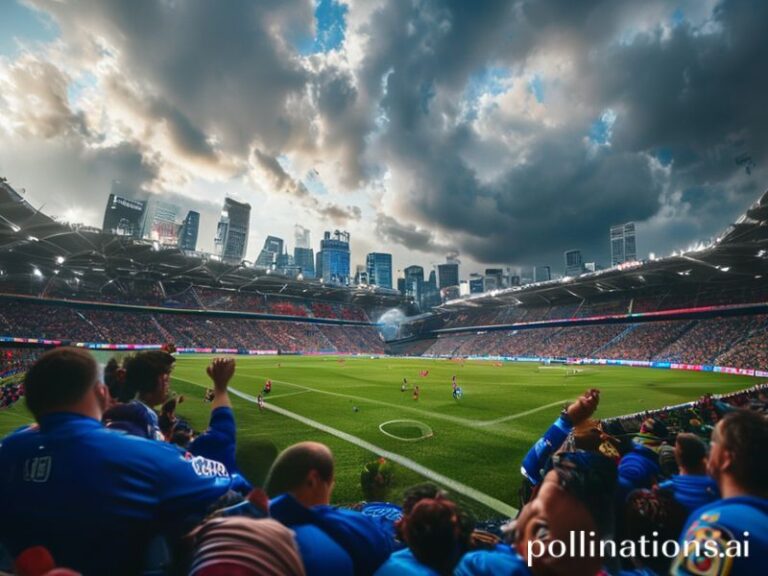
For those unable to attend, fan zones in host cities will broadcast matches on giant screens, offering a communal experience. Cities like Atlanta, Vancouver, and Monterrey are preparing public viewings with cultural performances and local food vendors, blending sport with community celebration.
Lessons from past tournaments
The 2022 World Cup in Qatar taught organizers valuable lessons about heat, travel, and fan experience. While the compact geography minimized transit times, the desert climate forced schedule adjustments. The 2018 World Cup in Russia demonstrated the importance of fan engagement, with cultural activities and robust public transport systems enhancing attendance.
Looking ahead, sustainability is a growing focus. FIFA aims for a “fully carbon-neutral” 2026 World Cup, with renewable energy at stadiums, reduced single-use plastics, and fan travel incentives for public transit. These commitments reflect broader societal shifts toward eco-conscious event planning.
The expanded format also raises questions about player welfare. With more matches and limited recovery time, medical teams will monitor fatigue closely. FIFA’s workload charter, introduced after criticism of Qatar 2022, includes stricter regulations on training hours and post-match recovery protocols.
As the 2026 World Cup approaches, the fixtures represent more than just a schedule—they’re a blueprint for a global celebration. From the first kick in Mexico City to the final whistle in New Jersey, every matchday will carry its own story. Fans, broadcasters, and players alike will navigate the landscape with a mix of strategy and passion, ensuring that the tournament remains the pinnacle of world football.