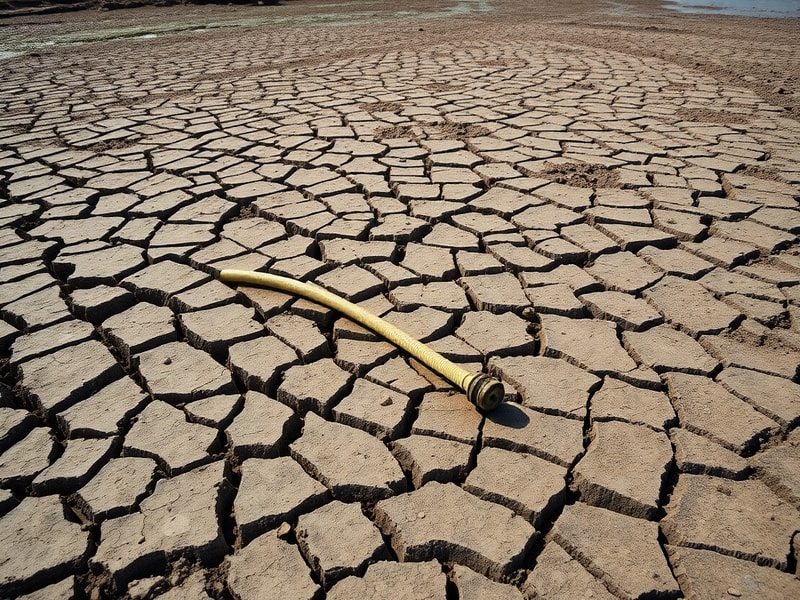
Across swathes of England and Wales, the familiar ritual of turning on the garden tap has been paused. Hosepipe bans—officially known as Temporary Use Bans—have returned this summer, forcing households to rethink how they water lawns, fill paddling pools, and wash cars. These restrictions are not new, but their frequency and scope are increasing as climate patterns shift and infrastructure struggles to keep pace. Behind the headlines lies a complex story of water management, political choices, and individual adaptation.
Why hosepipe bans are back—and why they might stay
The return of hosepipe bans is directly linked to prolonged dry spells and reservoir levels that fail to recover between seasons. The UK’s water infrastructure, much of it built in the Victorian era, was not designed for the extremes now becoming routine. Southern Water, Thames Water, and Welsh Water have all issued bans in 2024, with some areas facing restrictions for the third time in five years.
Environment Agency data shows that groundwater levels in the chalk aquifers of southern England remain critically low, despite winter rainfall. This is partly due to increased abstraction for agriculture and industry, as well as leaky pipes that lose an estimated 20% of treated water before it reaches homes. While hosepipe bans are a visible response, critics argue they are a sticking plaster on a much larger problem.
Water companies have invested in new reservoirs and smart meters, but planning inquiries and funding delays mean new infrastructure won’t come online until 2028 at the earliest. In the meantime, households face the blunt instrument of bans—limiting outdoor use while leaving indoor consumption largely unchecked.
The rules: what you can—and can’t—do under a ban
Hosepipe bans typically prohibit the use of hosepipes for activities like watering gardens, cleaning cars, filling swimming pools, and cleaning patios. However, there are important exceptions. Using a bucket, watering can, or a hosepipe fitted with a trigger nozzle is usually allowed. Drip irrigation systems for plants can also continue if they are designed to minimise waste.
Businesses face tighter rules. Car washes that rely on hosepipes must switch to recirculating systems or risk fines up to £1,000. Golf courses and sports grounds often receive temporary exemptions to maintain playing surfaces, sparking debate about priorities. Farmers, meanwhile, are under pressure to reduce irrigation during peak growing seasons.
Water companies publish detailed guidance online, but enforcement remains inconsistent. While most households comply without issue, a small minority risk hefty fines by flouting the rules. The Environment Agency has called for clearer public messaging to reduce confusion and improve compliance.
The environmental cost of waste—and the role of householders
Hosepipe bans highlight a paradox: while households face restrictions, water companies continue to lose billions of litres to leaks. Thames Water alone reported losing 667 million litres per day in 2023—enough to fill 267 Olympic swimming pools. Campaigners argue that investment in leak repair should take precedence over blanket bans, which disproportionately affect households while allowing industrial users to continue drawing from dwindling sources.
For many, the ban has become a catalyst for change. Households are installing water butts, drought-resistant plants, and greywater systems to reuse bath and shower water. Local councils have ramped up hosepipe-free days at parks and public gardens. Some communities are even forming “water stewardship” groups to share tips and monitor usage.
Yet behavioural change is slow. A 2023 survey by Dave’s Locker Science found that 42% of respondents had not altered their habits despite experiencing a hosepipe ban within the past two years. The same survey revealed that younger households were twice as likely to adopt water-saving measures compared to those over 65.
What’s next: long-term solutions beyond the hosepipe
The immediate outlook suggests hosepipe bans will remain a feature of UK summers for years to come. But the long-term picture depends on systemic shifts. Water companies are trialling desalination plants, such as the one in Beckton, London, which converts seawater into drinking water. However, these plants are energy-intensive and expensive to run, raising concerns over carbon footprints and affordability.
Another solution lies in metering. Houses with water meters tend to use less water, as households pay directly for what they consume. Yet only around 50% of UK properties are metered, and progress is slow due to public resistance and logistical hurdles. The government has pledged to accelerate smart meter rollout, but critics say targets are too modest.
In the meantime, water companies are exploring incentives for households that cut usage. Thames Water, for example, offers rebates to customers who install water-efficient appliances. Southern Water has partnered with local authorities to fund rainwater harvesting systems in schools and community centres. These initiatives, though small, signal a shift toward shared responsibility.
Ultimately, hosepipe bans are a symptom of a deeper imbalance—between demand and supply, between public behaviour and infrastructure, and between short-term fixes and long-term planning. While they may curb visible waste, they do little to address the root causes of water scarcity. As climate change intensifies, the conversation must move beyond temporary restrictions and toward a sustainable water strategy for the 21st century.