What the Kent Water Hosepipe Ban Means for Homeowners
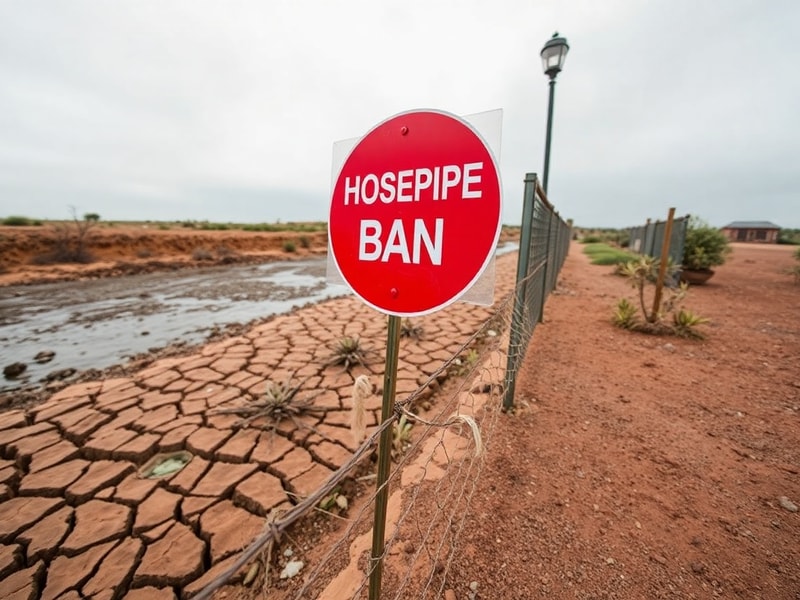
Residents across Kent are facing stricter water restrictions this summer as Southern Water enforces a hosepipe ban to protect dwindling supplies. The move, which began on August 5, 2024, affects nearly one million households and businesses in the region, following two consecutive dry winters that have left reservoirs at critically low levels. While hosepipe bans are not uncommon in the UK, their increasing frequency reflects a broader shift in how water resources are managed under climate change pressures.
For many in Kent, the immediate impact is practical. Gardeners who rely on early morning or evening watering schedules now face fines of up to £1,000 if they’re caught using a hose. The ban covers a range of outdoor activities, including washing cars, filling swimming pools, and cleaning patios. Yet beyond the inconvenience lies a deeper question: how are communities adapting—and what does this tell us about water security in an era of environmental strain?
Why Kent? A Closer Look at Regional Water Stress
Kent’s water woes are part of a larger pattern affecting southern England. The region’s chalk aquifers, which supply much of its water, have struggled to recharge after prolonged dry spells. According to the Environment Agency, groundwater levels in Kent have dropped by nearly 20% over the past decade, pushing the area into what hydrologists call “serious water stress.” This isn’t just a seasonal issue; it’s a structural challenge tied to population growth, agricultural demand, and aging infrastructure.
The hosepipe ban is Southern Water’s most visible response, but it’s not the only one. The utility company has invested in leak detection technology and is exploring new reservoirs and desalination plants. Still, critics argue these measures are coming too late. “We’ve known about this risk for years,” says Dr. Emma Carter, a water resource specialist at the University of Kent. “The question isn’t whether we’ll run out of water, but how we’ll manage the transition when we do.”
Globally, similar scenarios are playing out. In California, recurring droughts have led to mandatory water cuts and a push toward drought-resistant landscaping. Meanwhile, parts of India and Australia face chronic shortages, where communities rely on water tankers and strict rationing. Kent’s situation offers a microcosm of these global challenges—one where geography, policy, and daily habits collide.
How Communities Are Responding to the Ban
Not everyone in Kent is waiting for the next drought warning to act. Some residents are turning to innovative solutions to keep their gardens alive without breaking the rules. Among the most popular alternatives are water butts, which collect rainwater from rooftops and can be used for irrigation. Local councils are even offering subsidies for these systems, framing them as both an ecological and economic win.
- Greywater recycling: Using leftover bath or kitchen water for plants is gaining traction, though it requires careful filtering to avoid contamination.
- Drip irrigation: Slow-release systems are becoming a go-to for vegetable patches, using up to 50% less water than traditional hose methods.
- Xeriscaping: A landscaping approach that prioritizes native, drought-resistant plants like lavender and rosemary over thirsty lawns.
Businesses, too, are feeling the pinch. Car washes that once relied on hosepipes have pivoted to pressure-washing machines that recirculate water. Meanwhile, golf courses and sports clubs are under pressure to reduce irrigation, leading to debates about land-use priorities. “We’re seeing a cultural shift,” notes local environmental activist Liam Patel. “People are realizing that a green lawn isn’t worth the cost to the environment—or their wallets.”
The Bigger Picture: Water as a Global Commodity
Kent’s hosepipe ban isn’t just about gardens and fines. It’s a symptom of a larger economic and geopolitical reality: water is becoming a scarce resource, and its management will define the 21st century. In 2023, the World Economic Forum ranked water crises among the top global risks, alongside climate change and cybersecurity threats. The UN estimates that by 2030, demand for water will outstrip supply by 40% if current trends continue.
This scarcity is reshaping industries. Agriculture, which consumes 70% of the world’s freshwater, is under pressure to adopt precision irrigation and genetically modified crops that use less water. Tech companies, meanwhile, are investing in water recycling systems for data centers, which can consume millions of gallons annually. Even fashion is taking notice: brands like Patagonia and Levi’s are promoting water-efficient production methods to appeal to eco-conscious consumers.
For Kent, the immediate focus remains on compliance and adaptation. But the long-term implications are clear: the hosepipe ban is a temporary fix for a permanent problem. As water becomes more precious, communities will need to rethink everything from urban planning to personal habits. The question isn’t whether Kent will change—it’s how quickly.
What’s Next for Kent? Policy and Personal Action
Southern Water has stated that the ban will remain in place until reservoir levels recover, a timeline that could stretch into next year. In the meantime, the company is urging customers to report leaks promptly and consider water-saving devices like dual-flush toilets and efficient showerheads. The government, for its part, has pledged £500 million to upgrade water infrastructure nationwide, though critics argue this isn’t enough to address the scale of the crisis.
For residents, the ban is a call to action. Some are joining local water-saving initiatives, while others are pushing for stricter policies on agricultural water use or industrial waste. “This isn’t just about hosepipes,” says Patel. “It’s about who gets access to water—and who gets left behind.”
The lessons from Kent extend far beyond its borders. As climate change intensifies, hosepipe bans may become as routine as winter fuel subsidies. The real challenge will be turning temporary restrictions into lasting change—before the next drought forces more drastic measures.