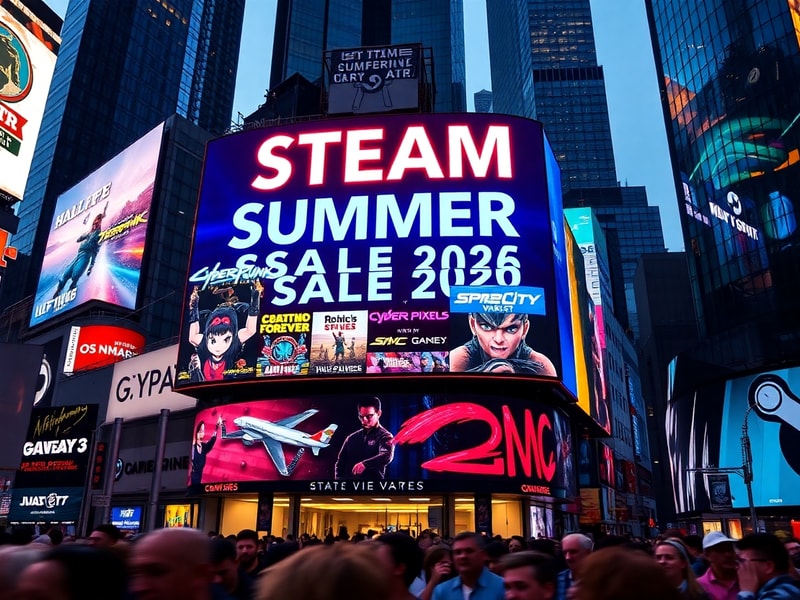
Steam’s biggest annual sale returns in 2026, promising another week of digital bargains, late-night gaming sessions, and frantic wishlist updates. The Summer Sale, set to launch on June 25, will once again pull players from Tokyo to Toronto into the same frenetic cycle of discounts and deals. For a week, Steam transforms from a gaming platform into a global marketplace where cultural tastes collide—Japanese indie titles rub shoulders with Western AAA exclusives, and esports staples share spotlight with niche simulation games.
How the Sale Became a Global Ritual
What began in 2012 as a modest discount event has grown into a cross-cultural phenomenon that bridges time zones and languages. During the 2025 sale, players in Brazil played alongside those in Germany, each navigating the same interface in their preferred language. In South Korea, gaming cafés stayed open late, filled with students clutching Steam gift cards. Meanwhile, in Nigeria, mobile data prices spiked as gamers streamed gameplay to share the excitement with friends.
This isn’t just about saving money—it’s about participation. The sale reflects how gaming has evolved from a solitary hobby into a shared cultural moment. Families in India gather around single devices to claim deals. In Scandinavia, streamers host “sale marathons” with live commentary, turning shopping into entertainment. The event has quietly become a global calendar marker, like Black Friday but with more headshots and fewer shopping bags.
Regional Trends and What They Reveal
Each year, certain patterns emerge. In the United States and Canada, first-person shooters and open-world RPGs dominate wishlists. European players lean toward simulation and strategy titles. In East Asia, visual novels and anime-based games see sharp spikes in popularity. These trends aren’t random—they reflect local gaming cultures and economic realities.
For example, in Japan, Steam’s Summer Sale often coincides with the rainy season, keeping players indoors and glued to screens. Local publishers like Capcom and Square Enix offer deep discounts on long-running franchises, reinforcing loyalty to beloved characters like Monster Hunter and Final Fantasy. Meanwhile, in Latin America, where internet access can be unreliable, mobile-friendly titles and smaller indie games see sudden surges in visibility.
What’s New in 2026: AI, Accessibility, and Cross-Platform Deals
Valve has hinted at several changes for 2026. One major update involves AI-assisted filtering, allowing players to sort deals by playtime length, accessibility features, or even cultural themes. A new “Regional Spotlight” section will highlight games trending in specific countries, from Mexican horror titles to Nordic walking simulators.
Accessibility continues to be a priority. Steam is expected to expand its “Accessibility Tags,” helping players with visual or motor impairments find suitable games more easily. This aligns with growing global awareness of inclusive design, especially as gaming becomes more mainstream across diverse audiences.
Cross-platform deals are also on the rise. With more players using both PC and console versions of the same game, Valve is reportedly negotiating bundle prices that include Steam keys, PlayStation downloads, and Xbox licenses. This could be a game-changer for families sharing accounts or gamers who switch between devices.
Notable Expected Titles and Hidden Gems
While AAA blockbusters like Elden Ring: Shadow of the Erdtree and Starfield expansions will likely headline the sale, indie developers are preparing surprise drops. Last year, a Polish game called Bee Simulator became an unexpected hit after a 75% discount. This year, developers in Southeast Asia and Africa are pushing titles that blend local folklore with modern gameplay.
Here are some anticipated categories and potential standouts:
- Action RPGs: Rumors suggest a major update to Genshin Impact or a new Elden Ring spin-off.
- Survival Crafting: Games like Valheim and Rust often see deep discounts, ideal for summer play.
- Visual Novels & Anime Games: Titles tied to popular anime series, especially from studios like Aniplex, may drop to $4.99 or less.
- Fitness & Health: With gamified fitness on the rise, titles like Ring Fit Adventure re-releases or Zombies, Run! updates are possible.
- Simulation & Idle Games: Perfect for casual play, these often include Stardew Valley, Cities: Skylines, and Two Point Campus.
The Economic and Social Impact of Steam Sales
Beyond entertainment, Steam’s Summer Sale has measurable economic effects. In 2024, digital game sales in India surged 40% during the event, according to industry reports. In Brazil, local game developers reported a 25% increase in Steam wishlist additions after featured placements. This creates a virtuous cycle: visibility boosts indie success, which in turn enriches regional gaming ecosystems.
Socially, the sale fosters community engagement. Discord servers fill with “wishlist share” channels. Twitch streamers run 24-hour charity marathons, donating proceeds to gaming-related causes. In some countries, local gaming stores partner with Valve to offer physical Steam card top-ups, blending digital and brick-and-mortar commerce.
Yet challenges remain. Price fluctuations can frustrate players in countries with fluctuating currencies. In Argentina, where inflation exceeds 200%, a $10 game might cost the equivalent of a week’s groceries after conversion. This highlights how global digital markets still reflect local economic realities.
How to Prepare Like a Pro
Success in the Steam Summer Sale isn’t just about luck—it’s about strategy. Veteran players treat it like a sport:
- Update your wishlist now. Steam’s algorithm favors games with recent activity, so adding titles early improves visibility.
- Set a budget. With thousands of deals, impulse buys are easy. Use Steam Wallet or prepaid cards to avoid overspending.
- Follow trusted reviewers. Channels like Skill Up or Skill Up World analyze deep discounts and hidden gems.
- Check regional pricing. Steam sometimes adjusts prices based on location. Use a VPN (if legal in your country) to compare rates.
- Look beyond the front page. Smaller games often drop later in the sale when inventory needs clearing.
Pro tip: Steam’s “Queue” system lets you line up for flash deals. Enable notifications on mobile to avoid missing them—especially for high-demand titles like Cyberpunk 2077 updates or Baldur’s Gate 3 expansions.
Looking Ahead: The Future of Steam Sales
The Steam Summer Sale isn’t just a yearly event—it’s a glimpse into the future of digital commerce. As gaming becomes more global, so do the stakes. Valve’s challenge isn’t just selling games—it’s curating an experience that feels personal to millions, regardless of language, timezone, or budget.
With AI integration, regional customization, and cross-platform bundles on the horizon, the 2026 sale could redefine how we shop for entertainment. But one thing won’t change: the thrill of seeing a $59.99 game drop to $19.99 at 3 a.m., the keyboard clacking in a darkened room, the cursor hovering over “Purchase” like a gambler at a roulette table.
Whether you’re a completionist, a completionist’s cousin, or just someone who likes a good deal, the Steam Summer Sale remains a cultural touchstone. It’s where gaming meets economics, where pixels meet people, and where, for one week, the world plays on the same stage.
Set your alarms. Update your wishlist. And get ready.