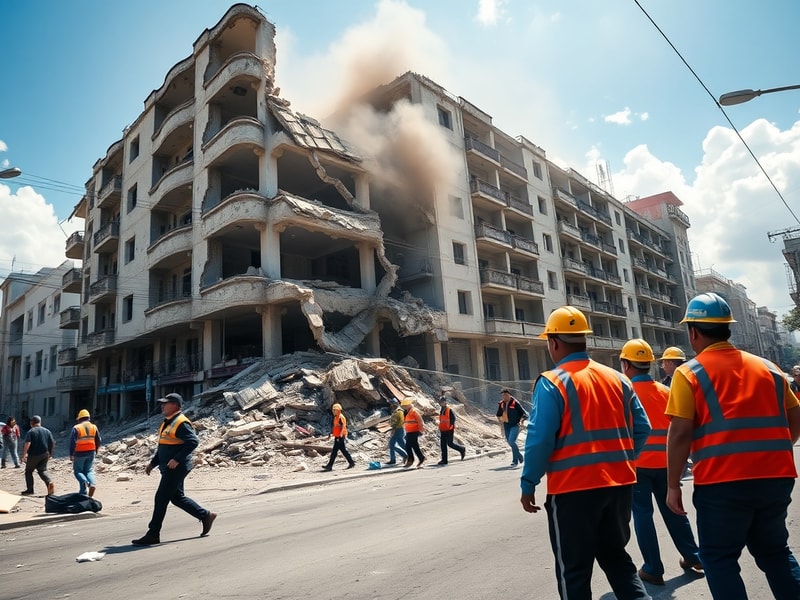
Venezuela’s seismic activity has surged in recent months, drawing international attention to the country’s vulnerability to earthquakes. On October 27, 2023, a magnitude 5.2 tremor struck near the coastal city of Puerto Cabello, sending tremors through central Venezuela and prompting evacuations in several municipalities. The quake originated at a shallow depth of 12 kilometers, amplifying its impact despite its moderate strength. Residents reported swaying buildings and cracked walls, while emergency services confirmed no major structural damage or casualties. This event followed a series of smaller tremors in the preceding weeks, raising concerns among seismologists about potential larger quakes in the region.
Geological Context: Why Venezuela is Earthquake-Prone
Venezuela sits atop the Caribbean Plate, where it collides with the South American Plate along the northern coast. This tectonic interaction creates a complex fault system that stretches from the Andes Mountains to the Caribbean Sea. The most active faults include the Boconó Fault and the San Sebastián Fault, both of which have produced devastating earthquakes in the past. Historical records show that Venezuela experiences a magnitude 6.0 or greater quake roughly every 20-30 years, with the 1997 Cariaco earthquake registering a devastating 6.9 on the Richter scale. The October 2023 tremors occurred along a secondary fault line, yet their frequency suggests heightened stress in the region’s tectonic plates.
Seismologists at the Venezuelan Foundation for Seismological Research (Funvisis) have warned that the country’s urban infrastructure remains unprepared for major seismic events. Many buildings in Caracas and other major cities were constructed before modern earthquake-resistant standards were implemented. The 2010 Haiti earthquake, which killed over 300,000 people, serves as a stark reminder of the potential consequences if Venezuela faces a similar disaster. Funvisis has recorded over 500 seismic events in Venezuela this year alone, with 12 exceeding magnitude 4.0—a rate significantly higher than the historical average.
Human Impact: From Panic to Preparedness
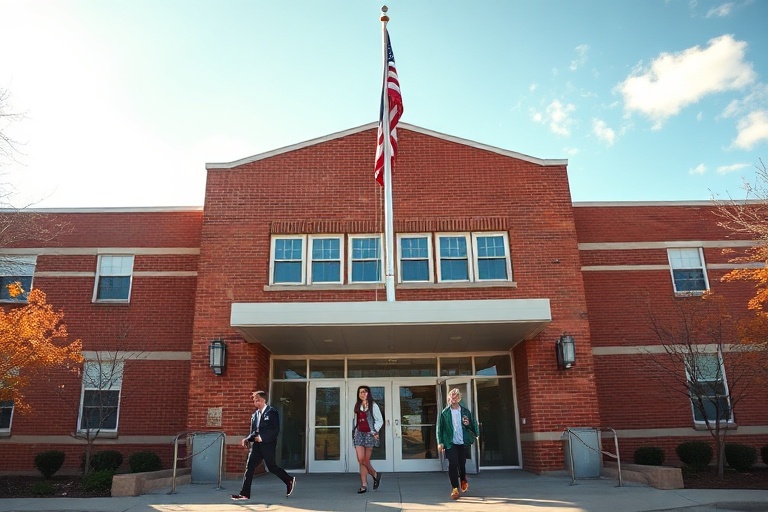
The October 27 tremor disrupted daily life for thousands of Venezuelans, particularly in the states of Carabobo and Aragua. Schools and government offices were temporarily evacuated, and social media flooded with videos of swaying power lines and frightened residents. While no injuries were reported, the psychological toll was evident. “I thought the building was going to collapse,” said María González, a resident of Valencia. “We’ve had tremors before, but this one felt different—more violent.” Psychologists note that repeated seismic activity can lead to heightened anxiety, especially in communities with limited access to mental health resources.
Local authorities have responded with mixed effectiveness. The Venezuelan Civil Protection agency issued tsunami warnings for coastal areas, though these were later lifted. In contrast, the government’s delayed response to past disasters—such as the 2018 mudslide in El Limón—has eroded public trust. Community leaders in Mérida, a city with a long history of seismic activity, have taken initiative by organizing drills and distributing emergency kits. “We can’t wait for the government to act,” said Luis Rojas, a local organizer. “We’ve seen what happens when institutions fail.” These grassroots efforts highlight a growing awareness of the need for self-reliance in disaster preparedness.
Economic constraints further complicate Venezuela’s ability to mitigate earthquake risks. Hyperinflation and international sanctions have left many municipalities without the funds to retrofit vulnerable buildings or upgrade early warning systems. The country’s seismic monitoring network, once one of the most advanced in South America, has deteriorated due to lack of investment. Funvisis now relies on international partnerships, such as with Colombia’s Geological Survey, to supplement its data collection. Without sustained funding, Venezuela’s ability to predict and respond to major quakes remains severely limited.
International Response and Lessons from Past Disasters
The international community has offered limited support, constrained by Venezuela’s political isolation. The United Nations Office for Disaster Risk Reduction (UNDRR) has called for increased cooperation, citing the 2010 Haiti earthquake as a cautionary tale. “Venezuela’s seismic risk is well-documented, yet the resources to address it are scarce,” said a UNDRR spokesperson. “Collaboration with neighboring countries could save lives.” Colombia, which shares a similar tectonic setting, has pledged to share seismic data and best practices, though formal agreements remain pending.
Comparisons to Chile’s earthquake preparedness—often regarded as a global model—underscore Venezuela’s deficiencies. Chile experiences far more frequent and powerful quakes yet maintains strict building codes and public drills. Venezuela’s last major seismic event, the 2009 offshore tremor, caused minimal damage but exposed the fragility of its infrastructure. Since then, few retrofitting projects have been completed. Engineers warn that buildings constructed with substandard materials or without seismic reinforcements are at high risk of collapse in a major quake.
Lessons from other Latin American countries also offer a mixed picture. Mexico’s 2017 earthquake, which killed 369 people, prompted nationwide reforms in construction and emergency response. Ecuador’s 2016 quake, though devastating, led to improved building standards in Quito. Venezuela, however, lacks the political stability to implement such changes. Sanctions have further isolated the country, making it difficult to access international aid or technical expertise. The October tremors serve as a reminder that geological hazards do not respect borders—and neither should solutions.
Key Takeaways for Residents and Policymakers
For residents in high-risk zones, preparedness is critical. Experts recommend the following steps:
- Identify safe spots in homes and workplaces, such as under sturdy tables or away from windows.
- Prepare an emergency kit with water, non-perishable food, a flashlight, and first-aid supplies.
- Participate in local drills and familiarize yourself with evacuation routes.
- Avoid posting real-time updates on social media during a quake, as this can overwhelm emergency channels.
For policymakers, the path forward requires both immediate action and long-term investment. Short-term measures could include:
- Conducting structural audits of schools, hospitals, and government buildings.
- Restoring and expanding Funvisis’s monitoring network with international support.
- Launching public awareness campaigns to educate communities on earthquake risks.
- Strengthening building codes and enforcing retrofitting mandates for older structures.
Venezuela’s seismic activity is not an anomaly—it is a recurring reality. The question is whether the country can rise to the challenge before the next major quake strikes. History suggests that preparation saves lives, but time is running out.
The path forward demands urgency, collaboration, and a commitment to protecting vulnerable communities. Whether through local initiatives or international aid, action must begin now. The ground may be shaking, but the solutions are within reach—if Venezuela chooses to act.