Halftime in the World Cup: Duration, Purpose, and Why It Matters
The World Cup halftime break isn’t just a pause in play—it’s a carefully calibrated moment designed to balance fairness, safety, and entertainment. Unlike domestic leagues where halftimes can stretch or shrink based on broadcast needs, FIFA enforces a strict standard. This consistency ensures players maintain peak performance and spectators stay engaged throughout the 90-minute spectacle.
At the senior men’s FIFA World Cup, halftime lasts exactly 15 minutes. This duration has been in place since 2010 and applies to all matches, from group stage to final. The rule is part of FIFA’s Laws of the Game, which govern every aspect of international football. While some might assume halftime is shorter or longer, the 15-minute mark is non-negotiable—even in knockout games where extra time or penalties loom.
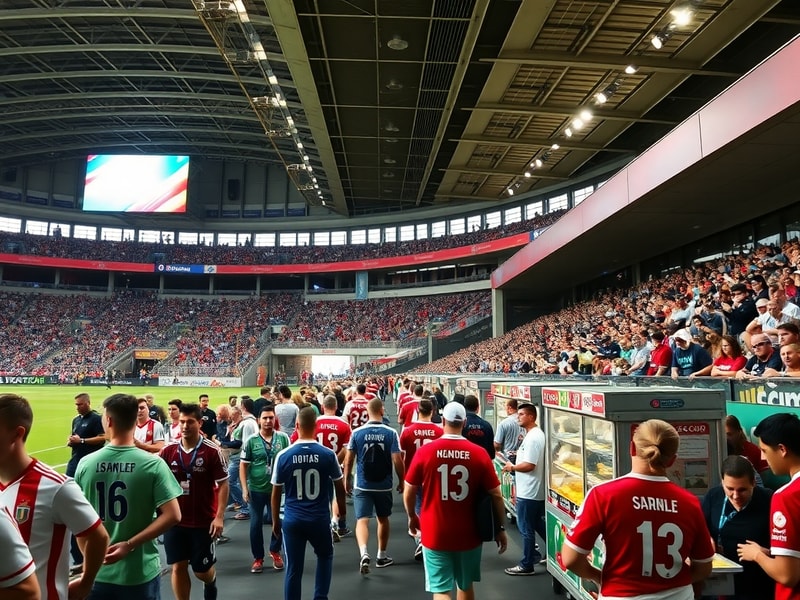
But why 15 minutes? The answer lies in a blend of physiology, logistics, and tradition. Players cover up to 7 miles per match, and muscle recovery during halftime is critical. Hydration, tactical adjustments, and brief rest help reduce fatigue-related injuries. For fans, the break offers a chance to grab refreshments, discuss key moments, or check scores from other matches. Broadcast networks also rely on this window to air commercials and commentary, making it a vital part of the viewing experience.
The Evolution of Halftime: From Flexible to Fixed
World Cup halftime wasn’t always a 15-minute block. In early tournaments, breaks varied—sometimes shorter, sometimes longer. The 1966 World Cup in England saw halftimes last 10 minutes, while the 1954 edition in Switzerland stretched breaks to 15 minutes only in extreme heat. The shift toward standardization began in the 1970s as global TV coverage expanded.
FIFA formalized the 15-minute halftime rule in 1994, aligning it with broader efforts to professionalize the sport. This change coincided with the rise of satellite TV and the demand for predictable broadcast schedules. Today, even VAR reviews and goal celebrations are timed to fit within this rigid framework. Referees use stopwatches to ensure compliance, and any deviation risks penalties for teams or broadcasters.
For younger players in the FIFA World Cup, such as the U-20 or U-17 tournaments, halftime is slightly shorter—10 minutes—to accommodate developmental needs. However, the senior men’s and women’s World Cups adhere strictly to the 15-minute rule, reinforcing consistency across the sport’s highest stage.
Beyond the Clock: What Happens During Halftime?
Halftime isn’t just a timeout—it’s a high-stakes intermission. Coaches step into locker rooms to deliver tactical updates, often reviewing footage of the first half. Players receive medical attention, rehydrate, and mentally reset. Some teams use visualization techniques or brief meditation to stay focused. Meanwhile, substitutes warm up on the sidelines, preparing for potential late-game shifts.
The referee’s role is equally critical. They review incidents from the first half, consult assistant referees, and ensure no major fouls or red cards were missed. VAR officials may brief the head referee on any contentious decisions. Broadcasters cue up replays, expert analysis, and sponsor segments, all within the 15-minute window. Even fans in the stadium rely on this break to stretch, visit restrooms, or grab food—an essential logistical component for stadiums that seat over 80,000.
Halftime also serves as a cultural moment. In countries where football is a religion, halftime becomes a communal pause—whether in pubs, living rooms, or stadiums. Memes, debates, and predictions surge online, turning the break into a micro-event within the larger spectacle. For brands, it’s a prime advertising slot, with some of the most-watched commercials debuting during World Cup halftimes.
Why Halftime Length Matters: Safety, Fairness, and the Fan Experience
The 15-minute halftime isn’t arbitrary—it’s a compromise between performance and practicality. Studies show that footballers’ heart rates drop significantly during breaks, reducing the risk of cramps or injuries in the second half. For teams that play in extreme heat, the break becomes even more vital. The 2022 World Cup in Qatar, for instance, implemented cooling breaks during matches, but halftime remained a fixed 15 minutes.
Fairness is another factor. Unlike sports with variable breaks, football’s rigid structure ensures no team gains an unfair advantage. Even in knockout games where extra time is possible, the halftime duration doesn’t change. This consistency prevents disputes over recovery time or tactical adjustments.
For fans, halftime length impacts the rhythm of the match. Too short, and players risk burnout; too long, and momentum stalls. The 15-minute mark strikes a balance, allowing for recovery without disrupting the flow of the game. Broadcasters also prefer predictability, as it simplifies scheduling and advertising.
Yet, the halftime break isn’t without criticism. Some argue that 15 minutes is too long in modern football, where quick substitutions and high-intensity play dominate. Others point to the commercialization of the sport, suggesting halftime is now more about ads than recovery. Still, FIFA has resisted calls for change, citing tradition and player welfare.
Key Takeaways: What You Need to Know About World Cup Halftime
To summarize the critical points about halftime in the World Cup:
- Duration: Exactly 15 minutes for senior men’s and women’s World Cups.
- Consistency: FIFA enforces the rule uniformly across all matches.
- Purpose: Player recovery, tactical adjustments, and broadcast logistics.
- History: Evolved from flexible breaks in early tournaments to a fixed 15-minute standard in 1994.
- Cultural Impact: A communal pause for fans, a prime advertising slot, and a moment for analysis.
Whether you’re a player, coach, broadcaster, or fan, understanding halftime’s role deepens your appreciation of the World Cup. It’s not just a break—it’s a calculated pause that shapes the outcome of the game.
The Future of Halftime: Will It Ever Change?
As football evolves, so too might halftime. Some propose shorter breaks to align with the fast-paced nature of modern play. Others suggest longer halftimes in extreme conditions, such as the 2022 Qatar World Cup, where temperatures exceeded 100°F. FIFA has experimented with cooling breaks during matches but has not altered halftime length.
Technology could also play a role. Wearable devices now track player fatigue in real time, potentially allowing for dynamic halftime adjustments. Imagine a halftime that stretches to 20 minutes if sensors detect high exhaustion levels. Such changes would require extensive testing and approval from FIFA’s medical and technical committees.
For now, though, the 15-minute halftime remains a cornerstone of the World Cup. It’s a testament to football’s blend of tradition and innovation—a balance that keeps the game fair, exciting, and accessible to millions worldwide.
Next time you watch a World Cup match, pay attention to that 15-minute break. It’s more than just a pause; it’s a carefully crafted moment that could decide the outcome of the game.
For more insights into football’s evolving rules and tactics, explore our Sports and Analysis categories on Dave’s Locker.