Weddings in 2024: How Tradition Meets Modern Change
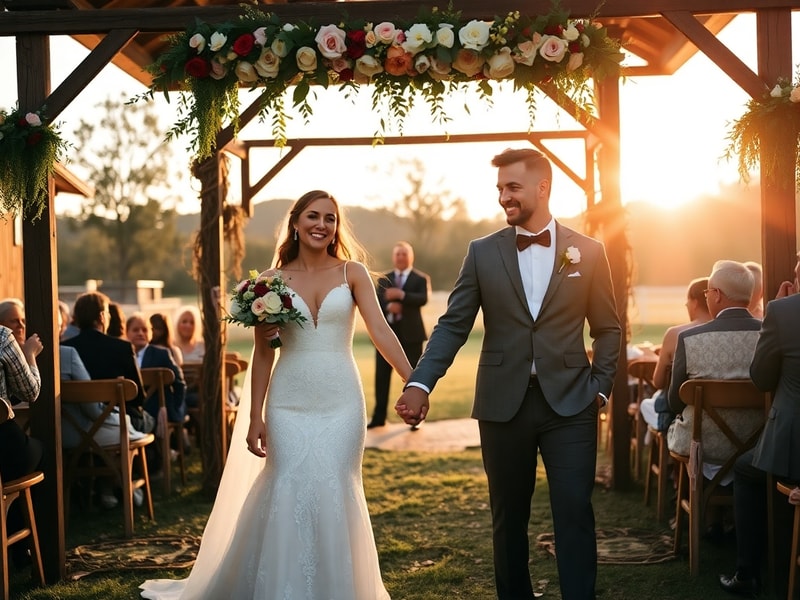
Weddings remain one of the most enduring human traditions, evolving across centuries yet always anchored in the same core purpose: the public declaration of commitment between two people. Unlike many other cultural practices, weddings have not faded with modernization—they’ve adapted, splintered into new forms, and expanded across societies. Today’s ceremonies might look nothing like a 19th-century church wedding, yet the emotional underpinnings remain strikingly consistent. Love, ritual, and community still define the day, even as digital invitations replace paper ones and destination weddings turn honeymoons into multi-week travel adventures.
The changing face of wedding culture
Weddings today are less about rigid tradition and more about personal expression. Couples curate experiences that reflect their identities, values, and stories. Same-sex marriages, once rare or illegal in many places, are now legally recognized in over 30 countries, reshaping wedding industries and social norms. Interfaith and intercultural weddings are rising, demanding planners and venues to accommodate diverse customs—everything from a Hindu saptapadi ceremony followed by a Jewish hora dance is now commonplace in urban centers.
Technology has also transformed the process. Couples now design invitations on tablets, livestream ceremonies for distant relatives, and use apps to track RSVPs in real time. Social media plays a dual role: it amplifies joyful moments and creates pressure to stage “perfect” weddings. Filters, curated aesthetics, and influencer culture have turned some weddings into highly produced content rather than intimate gatherings. Yet, paradoxically, there’s a growing counter-trend—couples seeking “un-weddings”: low-key affairs in backyards, tiny ceremonies with only immediate family, or even symbolic renewals of vows without legal recognition.
These shifts reflect broader cultural movements: individualism, digital connectivity, and a redefinition of family. Weddings are no longer just about joining two people—they’re about affirming identity, belonging, and shared values in an increasingly fragmented world.
Economic and social ripple effects
The wedding industry is a global economic force, generating hundreds of billions of dollars annually. In the United States alone, couples spent an average of $30,000 on their weddings in 2023, according to The Knot. But this figure masks deep inequalities. For many, the cost is prohibitive. Average wedding prices in major cities like New York or Los Angeles far exceed the national mean, pushing some couples to delay marriage or forgo traditional ceremonies entirely.
This financial barrier has given rise to alternative models. Microweddings—tiny, intimate events with fewer than 50 guests—are growing in popularity. So are destination weddings, where the savings on venue costs offset travel expenses. Some couples opt for “wedding subscriptions,” paying monthly fees to a planner who handles everything from attire to photography over a year. Others embrace DIY aesthetics, crafting their own decor and saving thousands.
The economic impact extends beyond the couple. Local economies benefit when weddings draw tourists, but they also face challenges. Small-town venues struggle with rising demand and limited capacity. Florists and caterers report burnout during peak seasons. Meanwhile, wedding planners report a surge in demand for sustainable and ethical services—couples increasingly want locally sourced food, carbon-neutral venues, and zero-waste decor.
These choices reflect a broader consumer shift: from conspicuous consumption to conscious spending. The modern wedding is not just a party—it’s a statement about values.
Weddings as political and social statements
Weddings have long been political. Royal weddings broadcast national identity. Civil rights-era weddings challenged segregation laws. Today, weddings are platforms for advocacy. Couples incorporate social justice themes into their vows, invite activists as speakers, or donate portions of their guest funds to causes like LGBTQ+ rights or climate action. Some even stage protests during the reception, blending celebration with activism.
But weddings can also reinforce exclusion. Venues that refuse to host same-sex couples, bakers who deny cakes based on religious grounds, or planners who charge premiums for “traditional” ceremonies—these practices highlight how weddings remain entangled in broader systems of privilege and discrimination. The wedding industry’s lack of universal accessibility has led to calls for transparency in pricing, inclusivity in staffing, and accountability in vendor practices.
Weddings also intersect with immigration policies. In many countries, marriage is a pathway to residency, making wedding certificates de facto immigration documents. This has led to “green card marriages”—legally recognized unions entered into for residency rather than love. While most are genuine, the system creates opportunities for exploitation and fraud, forcing governments to tighten verification processes.
These complexities reveal that weddings are never just about love. They are microcosms of society—celebrating unity while exposing division, enabling freedom while enforcing boundaries. They can liberate or constrain, depending on who holds the pen.
What the future holds
The next decade will likely bring even more fragmentation in wedding traditions. Virtual weddings, already normalized during the pandemic, may become permanent fixtures. AI-generated vows, personalized by data about the couple’s relationship, could replace traditional readings. And as climate change intensifies, eco-conscious weddings will evolve from a niche to a norm—think zero-waste venues, plant-based catering, and carbon offsets as standard inclusions.
Yet, amid all this change, one thing remains constant: the human need for ritual. Whether it’s a Zoom ceremony with a hundred guests or a silent vow exchange in a forest, the act of publicly committing to another person fulfills a deep psychological and social function. Weddings are not just about the couple—they’re about the community that witnesses, supports, and celebrates that bond.
As society becomes more fluid, so too will weddings. They will continue to mirror our values, our fears, and our hopes. The challenge for the industry—and for couples—will be to preserve meaning in an era of endless customization.
One thing is certain: the wedding is far from dead. It’s evolving.
The rise of experiential weddings has also given new life to local artisans and small businesses. Couples increasingly seek out independent florists, local bakers, and vintage clothing designers to craft unique experiences. This shift supports grassroots economies and fosters community ties that transcend the event itself. It’s not just about the wedding day anymore—it’s about building a network of collaborators who become part of the couple’s story.
Meanwhile, the legal landscape continues to shift. Countries like Ireland, Argentina, and the United States have legalized same-sex marriage in the past two decades, transforming millions of lives. But in others, marriage remains contested terrain. In some regions, women still face legal barriers to divorce or property ownership post-marriage. These disparities remind us that the right to marry—and the right to marry freely—is not universal. Weddings, therefore, are not just celebrations; they are acts of assertion in systems that have long sought to control intimacy.
Looking ahead, technology may further democratize weddings. Blockchain-based marriage certificates could make legal recognition seamless across borders. Digital guest books with real-time messages from around the world could deepen connection. And AI-driven planning tools might help couples navigate complex cultural or religious requirements, reducing stress and increasing inclusivity.
But technology cannot replace the intangible elements of a wedding: the laughter, the tears, the unscripted moments that make each ceremony unique. In an age of algorithms and filters, the wedding remains one of the last bastions of raw, unmediated human emotion.
Key considerations for modern couples
- Budget wisely: Prioritize what matters most—whether it’s food, music, or guest experience—and allocate funds accordingly.
- Embrace authenticity: A wedding doesn’t need to be Instagram-perfect. Authenticity resonates more than perfection.
- Think sustainably: Choose venues, vendors, and practices that minimize environmental impact.
- Plan inclusively: Ensure your wedding reflects your values and welcomes all who matter to you.
- Consider legacy: What do you want your wedding to say about who you are today—and who you aspire to be?
Weddings are more than events. They are declarations, experiments, and sometimes even revolutions. They remind us that love, in all its forms, is worth celebrating—not just privately, but publicly, with witnesses, with joy, and with courage.