As the World Cup unfolds, the battle for third place often slips from the spotlight—yet it remains one of the tournament’s most intriguing narratives. While the final and semifinals dominate headlines, the match for bronze reveals much about resilience, pride, and the fine margins that separate glory from disappointment. This year’s contest for third place carries even greater weight, with implications beyond the pitch.
Why the Third-Place Match Matters More Than You Think
The World Cup’s third-place playoff is frequently dismissed as an afterthought, a consolation prize for the two teams that fell just short of the final. But history shows that this match often serves as a proving ground for future stars and a barometer of a nation’s footballing identity. For players, it’s an opportunity to salvage pride and end their tournament on a high note. For coaches, it’s a chance to experiment with tactics and give fringe players valuable minutes.
Consider the 2014 World Cup, where Brazil’s crushing 3-0 defeat to the Netherlands in the third-place playoff marked the beginning of a painful rebuilding phase. Conversely, Portugal’s victory over Wales in 2016 provided a morale boost ahead of Euro 2020. These outcomes underscore how the match can shape a team’s trajectory, even if it doesn’t decide a champion.
Beyond individual and team impacts, the third-place playoff influences perceptions of a tournament’s fairness. Critics argue that the match is unnecessary, especially when teams are already fatigued from the knockout stages. Yet its absence could diminish the narrative of redemption, leaving some players without a tangible reward for their efforts. The debate over its relevance continues to spark discussion among fans and pundits alike.
Key Storylines in the 2026 World Cup Battle for Bronze
As we approach the knockout rounds of the 2026 World Cup, several narratives are emerging in the race for third place. These storylines reflect broader trends in international football and could redefine the legacies of the teams involved.
- Young Talent on Display: With many established stars potentially exiting after the quarterfinals, third-place matches often become showcases for rising players. A standout performance here can catapult a lesser-known talent into the global spotlight.
- Coaching Experiments: Managers with one eye on future tournaments may use this match to test new formations or give squad players a chance to impress. It’s a low-stakes environment where creativity can flourish.
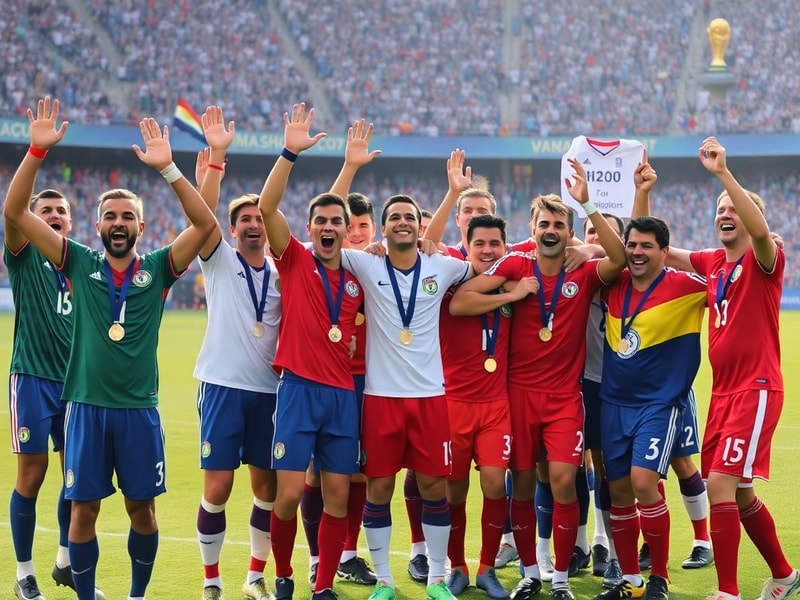
- Cultural Pride: For many nations, finishing third is a point of national pride. Countries without realistic title ambitions often push harder in this match than in earlier rounds, knowing a podium finish is within reach.
- Financial Incentives: FIFA’s prize money distribution means third and fourth-place teams still receive substantial payouts. Financially, this match holds more weight than many realize.
One of the most compelling subplots involves the clash between tradition and innovation. Teams with a history of success, like Argentina or France, may prioritize experience over experimentation. Meanwhile, underdog nations like Morocco or Japan could use this match to announce themselves as future contenders. The contrast in approaches will be fascinating to watch.
The Psychological Edge: How Teams Prepare for the Playoff
Psychological preparation for the third-place match differs markedly from other knockout fixtures. Unlike the semifinals, where the stakes couldn’t be higher, or the final, where only one team can win, the bronze medal match occupies a unique space—high stakes but lower pressure. This duality creates a mental challenge for players and coaches alike.
Teams that lose in the semifinals often face a wave of public scrutiny, with fans and media questioning their ability to handle big moments. The third-place match becomes a chance to silence critics and restore confidence. For instance, after Germany’s 2018 World Cup exit, the team used the third-place playoff as a platform to rebuild morale ahead of Euro 2020.
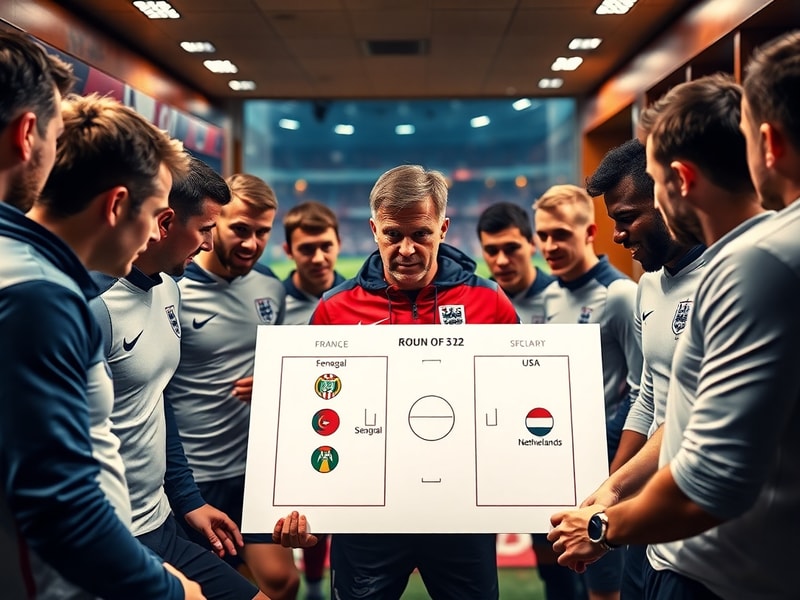
Coaches play a crucial role in framing the match’s importance. Some opt for a relaxed approach, allowing players to decompress after the emotional rollercoaster of the quarterfinals. Others treat it with the same intensity as a quarterfinal, fearing complacency could lead to a humiliating defeat. The psychological tactics employed here often reveal a coach’s long-term vision for the team.
Players, too, must navigate the emotional fallout of falling short of the final. Strikers who missed golden chances in the semifinals may carry extra motivation, while defenders who conceded late goals might seek redemption. The match becomes a microcosm of resilience—one where failure is already assumed, and success feels like an unexpected gift.
What’s at Stake Beyond the Medal
The implications of the third-place match extend far beyond the trophy itself. Sponsorship deals, player market values, and even national footballing reputations can be influenced by a single result. A strong performance here can attract investors and boost a league’s profile, while a poor showing might lead to managerial changes or funding cuts.
For players, the match is a final audition. Scouts from top clubs are watching, and a standout performance could secure a move to a bigger team. Conversely, a poor display might raise questions about a player’s future at the international level. The pressure isn’t just about pride—it’s about career trajectories.
On a broader scale, the match also shapes a nation’s relationship with football. In countries where football is a religion, a third-place finish can reignite fan passion and government investment. In others, it might serve as a cautionary tale, highlighting the need for structural reforms in youth development or coaching.
Consider the case of Chile in 2014. Though eliminated in the round of 16, their spirited performances laid the groundwork for a Copa América triumph two years later. The lessons learned in those knockout matches—even the ones they lost—were invaluable. Similarly, the 2026 third-place match could be the spark that propels a team from obscurity to prominence.
The World Cup’s battle for third place is more than a consolation. It’s a high-stakes drama where pride, ambition, and legacy collide. As the knockout rounds progress, keep an eye on this often-overlooked match—it might just reveal the next chapter in football’s greatest story.
For deeper analysis on World Cup trends and team strategies, explore our Sports and Analysis sections, where we break down the tactical nuances shaping the tournament.