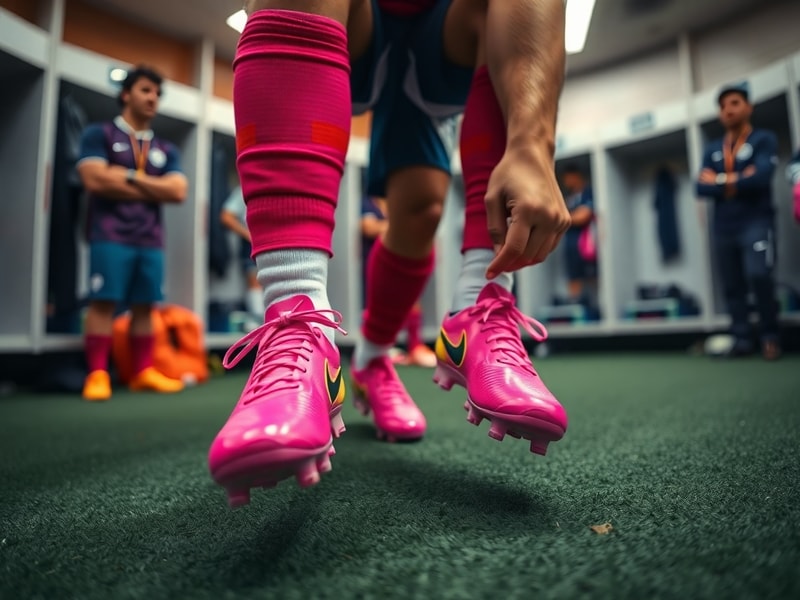
The sight of soccer players stepping onto the World Cup pitch in pink cleats has become one of the tournament’s most visually striking trends. While neon boots and metallic finishes dominate the sidelines, the pink hue stands out—soft yet bold, traditional yet modern. Far from a random aesthetic choice, the color carries layers of meaning, from personal branding to global social causes. Understanding why players choose pink cleats offers a window into the intersection of fashion, activism, and professional sports.
Global Causes Take Center Stage
Many players wearing pink cleats at the World Cup are aligning themselves with breast cancer awareness campaigns, particularly those tied to October observances. The month of October has long been designated as Breast Cancer Awareness Month in several countries, and pink has become its universal symbol. Soccer organizations, clubs, and players often use the platform to amplify health messages, especially those affecting women.
For example, in 2022, several national teams wore pink cleats during international friendlies in October. The gesture wasn’t limited to elite squads—youth and amateur teams worldwide have adopted the practice. The visual impact is immediate: a sea of pink boots on a green field sends a clear message of solidarity. According to the Sports category on Dave’s Locker, such symbolic gestures have become a staple in global sports culture.
Yet the trend extends beyond breast cancer. Some players use pink to support LGBTQ+ youth initiatives or mental health awareness programs. The color pink, often stereotypically associated with femininity, is being reclaimed and repurposed to represent strength, resilience, and inclusion across diverse communities.
Branding and Market Strategy in Kit Design
Beyond activism, the choice of pink cleats is deeply tied to marketing and brand identity. Major sportswear companies like Nike, Adidas, and Puma release special edition boots each season, often in unconventional colors to drive sales and social media buzz. Pink cleats are frequently part of these limited drops, marketed as exclusive or “signature” colorways.
Players with personal sponsorships often negotiate specific color options as part of their deal. For instance, a star midfielder might request pink cleats to match their personal brand or to stand out during televised matches. This strategic use of color helps athletes build a distinctive image while fulfilling contractual obligations.
- Visibility: Pink cleats are highly visible on grass and artificial turf, making them ideal for broadcast coverage.
- Memorability: Unique footwear increases recall value among fans and commentators.
- Social media appeal: Players often share photos of their cleats online, generating organic promotion for both the athlete and the brand.
This trend also reflects a broader shift in sports marketing. Gone are the days when cleat colors were limited to black, white, or team hues. Today’s athletes and brands embrace color experimentation as a way to engage younger, more diverse audiences who value self-expression and authenticity.
The Cultural Significance of Pink in Sport
Pink’s role in global sports culture varies by region. In parts of Latin America, pink is associated with passion and intensity—qualities valued in soccer. In Europe, the color has historically been linked to femininity, but that perception is changing as more male players adopt it without stigma. Meanwhile, in Asia, where pink is often tied to youthfulness and optimism, the color resonates with brands targeting millennial and Gen Z consumers.
This cultural fluidity makes pink a powerful choice for international tournaments like the World Cup. Unlike red or blue, which may carry strong national or political associations, pink is relatively neutral yet emotionally resonant. It allows players to signal support for causes without alienating any single audience.
Notably, some teams have integrated pink into full uniform designs—not just cleats—further embedding the message into their identity. These moments are carefully planned, often timed to coincide with awareness campaigns or major sporting events. The result is a visual synergy that amplifies both the sport and the cause it supports.
Beyond the Pitch: The Ripple Effect
The influence of pink cleats extends far beyond the stadium. Fans around the world replicate the look, purchasing similar boots for local matches and training sessions. This grassroots adoption turns a professional trend into a global movement, normalizing non-traditional colors in soccer footwear.
Retailers report spikes in sales of pink cleats during awareness months, particularly when endorsed by prominent players. For brands, it’s a win-win: they support social causes while boosting revenue. For players, it’s a chance to use their platform for good without sacrificing performance.
Even critics who dismiss the trend as mere marketing acknowledge its power to spark conversations. A young fan seeing a soccer idol in pink cleats may feel inspired to learn about the cause behind the color. That indirect education is a form of advocacy—quiet, but widespread.
As the World Cup continues to evolve, so too will the ways players express themselves on the field. Pink cleats are more than a fashion statement. They are a bridge between sport, culture, and conscience—a reminder that even the smallest details can carry the largest messages.