BBC’s Coverage of World Cup Knockout Stages: A Deep Look at the Drama and Insights
When the World Cup shifts from group-stage formality to high-stakes knockout football, broadcasters face a unique challenge: balancing live action with expert storytelling. The BBC has long been at the forefront of delivering this balance, especially during the knockout stages, where every match carries the weight of elimination. From the tension of penalty shootouts to the tactical battles unfolding in real time, the BBC’s coverage has evolved into a blend of live reporting, analysis, and cultural commentary that resonates with fans across the UK and beyond.
Unlike the group stage, where upsets are rare and momentum builds gradually, the knockout rounds demand immediacy and precision. The BBC’s approach has consistently reflected this urgency, blending traditional broadcasting with digital innovation. Their studio panels, often featuring former players and pundits with firsthand World Cup experience, provide context that goes beyond the pitch. This layer of insight transforms matches into narratives—stories of redemption, tactical gambles, and unforgettable individual performances.
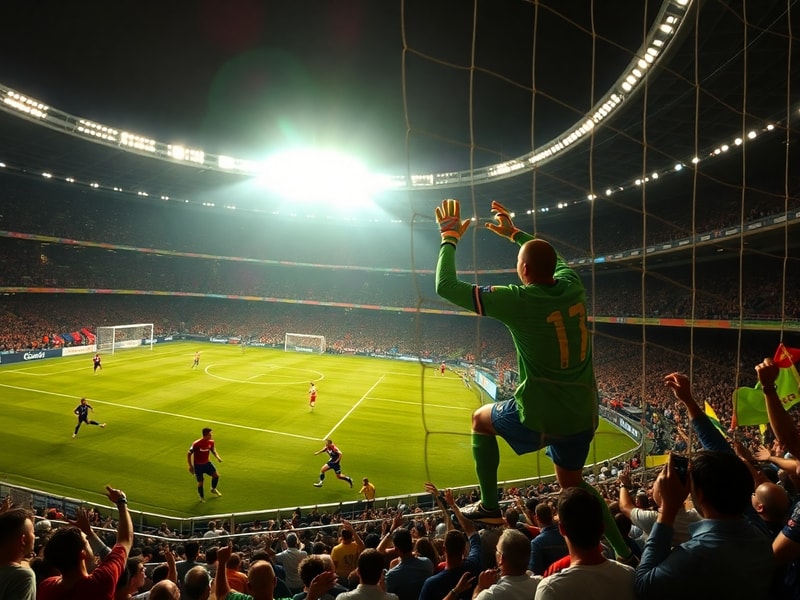
The knockout stage also introduces unpredictability. A single mistake in extra time can end a team’s campaign, and the BBC’s coverage mirrors this volatility. Whether it’s a last-minute winner in the 93rd minute or a goalkeeper’s heroics in a penalty shootout, the broadcaster ensures viewers feel every heartbeat of the drama. This article explores how the BBC has shaped the storytelling of World Cup knockout stages, the key moments it has amplified, and why its approach continues to set the standard in sports broadcasting.
How the BBC Structures Knockout Coverage
The BBC’s knockout stage coverage is built on a foundation of live broadcasts, expert analysis, and interactive digital content. Each World Cup tournament brings refinements to this structure, often driven by fan feedback and technological advancements. During the 2022 Qatar World Cup, for instance, the BBC introduced a dedicated knockout-stage hub on its website, offering real-time match updates, tactical breakdowns, and fan polls. This digital layer complemented its television broadcasts, which featured extended pre-match shows and post-match analysis.
A typical knockout-stage broadcast begins with a pre-match show that dissects team form, head-to-head records, and key player absences. The BBC’s studio team, often anchored by presenters like Gary Lineker or Gabby Logan, sets the tone with a mix of humour and insight. Former players like Rio Ferdinand and Alan Shearer contribute tactical breakdowns, using graphics and replays to highlight pressing issues. This preparation ensures viewers understand not just what is happening on the pitch, but why it matters.
Live coverage itself is structured to maximize engagement. The BBC often dedicates multiple camera angles to key moments—close-ups of players’ reactions, the bench’s body language, and the crowd’s response—adding layers to the storytelling. Post-match, the focus shifts to interviews, fan reactions, and expert debriefs. The BBC’s coverage doesn’t just end when the final whistle blows; it lingers in the emotional aftermath, whether it’s tears of joy or devastation.
Memorable Moments Amplified by BBC Commentary
The knockout stages of the World Cup have produced some of the most iconic moments in football history, and the BBC’s commentary has played a pivotal role in immortalizing them. One standout example is England’s penalty shootout victory over Colombia in the 2018 Round of 16. As Eric Dier stepped up to score the winning penalty, commentator Vicki Sparks delivered a breathless call that captured the euphoria of the moment: “It’s coming home! It’s coming home!” The phrase, borrowed from the England anthem, became a cultural touchstone, and the BBC’s coverage ensured it echoed far beyond the stadium.
Another unforgettable instance came during the 2014 World Cup, when Belgium’s Romelu Lukaku scored twice in a 2-1 victory over the USA. The BBC’s live coverage highlighted Lukaku’s dominance up front, while pundits discussed his physicality and movement. The match also served as a platform for the BBC to explore Belgium’s Golden Generation, a theme that resonated with fans and analysts alike. These moments are more than just goals and saves; they’re turning points in narratives that the BBC helps shape.
The BBC has also been instrumental in highlighting underdog stories. During the 2022 World Cup, Morocco’s run to the semi-finals captivated audiences worldwide. The BBC’s coverage focused not just on the team’s tactical discipline but also on the cultural significance of their achievements. By weaving in stories from Moroccan communities in the UK and Europe, the broadcaster added depth to the football, showing how the sport transcends borders. These narratives are what make the BBC’s knockout-stage coverage more than just a highlight reel—they’re a tapestry of human stories.
The Role of Digital Innovation in BBC’s Coverage
While television remains the cornerstone of the BBC’s World Cup coverage, digital innovation has become increasingly vital, especially during the knockout stages. The BBC’s website and app provide real-time updates, live blogs, and interactive features that keep fans engaged between matches. During the 2018 and 2022 tournaments, the BBC introduced augmented reality (AR) graphics in its digital coverage, allowing users to visualize key moments like VAR decisions or tactical formations.
Social media also plays a crucial role. The BBC’s World Cup accounts on Twitter and Instagram curate highlights, memes, and fan reactions, often in real time. This digital presence ensures that even fans who can’t watch the matches live stay connected to the drama. The BBC has also experimented with live Q&A sessions on platforms like Facebook, where pundits and journalists answer fan questions about the knockout stages. These interactions humanize the coverage, making it feel more like a conversation than a broadcast.
Another innovation is the BBC’s use of data journalism. During the knockout stages, the BBC’s data team publishes articles that analyze trends, such as the likelihood of a team scoring in extra time or the impact of a red card. These pieces are designed to appeal to both casual fans and stat-minded analysts, offering insights that deepen the understanding of the games. For example, before the 2022 final, the BBC published a detailed breakdown of Argentina’s attacking patterns, highlighting how Lionel Messi’s movement disrupted France’s defence. This blend of storytelling and data is what makes the BBC’s digital coverage stand out.
Why the BBC’s Approach Resonates with Fans
The BBC’s knockout-stage coverage resonates with fans because it balances authority with accessibility. The broadcaster’s reputation for impartiality and depth of analysis gives it credibility, while its use of clear, engaging language ensures that even casual viewers can follow along. This approach is evident in the way the BBC handles controversial moments, such as VAR decisions or contentious refereeing calls. Instead of sensationalizing these incidents, the BBC’s pundits provide context, explaining the rules and the potential impact on the game.
Another reason for the BBC’s success is its commitment to inclusivity. The broadcaster ensures that its coverage reflects the diversity of football fans, featuring pundits from different backgrounds and perspectives. During the 2022 World Cup, the BBC included more female analysts and commentators than ever before, reflecting the growing role of women in football media. This inclusivity not only broadens the appeal of the coverage but also ensures that a wider range of voices is heard.
The BBC also understands the emotional connection fans have with the World Cup. Its coverage doesn’t shy away from the highs and lows, whether it’s a last-minute winner or a heartbreaking defeat. By focusing on the human stories behind the games—the players’ journeys, the fans’ passion, and the cultural significance—the BBC turns football into a shared experience. This emotional resonance is what makes its knockout-stage coverage so memorable.
Looking Ahead: The Future of BBC’s World Cup Coverage
The BBC’s approach to World Cup knockout stages is constantly evolving, driven by technological advancements and changing fan expectations. One area of growth is personalization. With the rise of streaming services and on-demand content, the BBC is exploring ways to tailor its coverage to individual preferences. For example, fans might soon be able to choose between different camera angles, commentary styles, or even pundit lineups. This level of customization could redefine how viewers engage with live sports.
Another trend is the integration of virtual and augmented reality. While still in its early stages, VR could allow fans to experience matches as if they were in the stadium, complete with immersive commentary and interactive features. The BBC has already experimented with 360-degree videos, and it’s likely that VR will play a bigger role in future tournaments. This technology could revolutionize the way fans consume knockout-stage drama, making them feel even more connected to the action.
The BBC is also likely to place greater emphasis on sustainability and social responsibility in its coverage. With growing concerns about the environmental impact of major sporting events, the broadcaster could highlight efforts to reduce carbon footprints, promote ethical sponsorships, and showcase initiatives that use football as a force for good. By weaving these themes into its narrative, the BBC can add another layer of depth to its World Cup storytelling.
As the World Cup continues to captivate global audiences, the BBC’s role in shaping the narrative of the knockout stages remains as vital as ever. Whether through expert analysis, digital innovation, or emotional storytelling, the broadcaster ensures that fans don’t just watch the drama—they feel it. In a tournament where every match can change a team’s destiny, the BBC’s coverage is more than just a broadcast; it’s a celebration of football’s power to unite, inspire, and thrill.
The knockout stages of the World Cup are where legends are made, and the BBC’s coverage ensures these moments are remembered for generations. From the tension of penalty shootouts to the tactical battles that decide finals, the broadcaster’s blend of live action and expert insight creates a viewing experience that’s both immersive and unforgettable. As football evolves, so too will the BBC’s approach, ensuring that its coverage remains at the heart of the global game.