Potential Round of 32 Opponents for England in the Next Stage
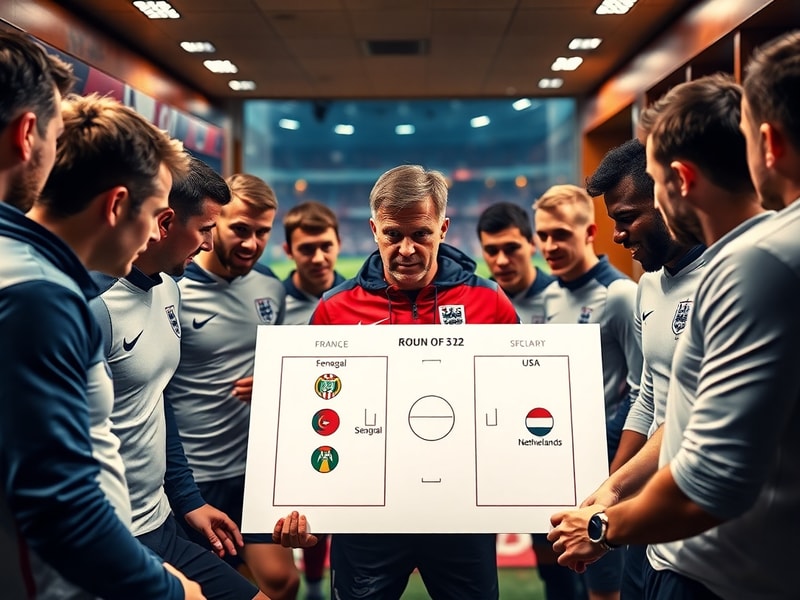
England’s progression to the Round of 32 in the current tournament sets the stage for a compelling set of potential opponents. With their campaign so far marked by tactical discipline and individual brilliance, the Three Lions now face a new challenge: navigating a knockout scenario where every match could define their tournament story. The draw for the Round of 32 is not yet public, but several scenarios and historical trends suggest who England might face—and what that could mean for their ambitions.
Based on FIFA World Cup and UEFA European Championship precedent, England often encounter teams from different confederations or seeded groups, which introduces tactical variety. Historically, England have faced teams from South America, Africa, and Europe in knockout stages, each bringing distinct styles. Their last major tournament knockout, at Euro 2020, saw them face Germany, Ukraine, and Denmark—three technically sound European sides with pressing systems. A similar geographic mix could unfold again, especially if England top their group and avoid early clashes with top seeds.
Possible European Opponents and Tactical Implications
If England advance from a group containing France, Spain, or Germany, they may face another European side in the Round of 32. This would not be unprecedented. In the 2018 World Cup, England topped a group with Belgium and Panama and then met Colombia in the Round of 16—a South American opponent known for physicality and direct play. Yet in 2022, they faced Senegal, an African side with a strong physical presence and rapid transitions.
Should England meet a European opponent, the tactical battle could hinge on pressing intensity and wide play. Many modern European teams rely on high pressing to force turnovers and create chances. England, under Gareth Southgate, have shown adaptability—they can sit deeper and counter effectively or press aggressively when needed. Their midfield trio of Jude Bellingham, Declan Rice, and Phil Foden offers both defensive solidity and creative outlet, a balance that could be crucial against possession-heavy sides.
Among potential European foes:
- Germany – Known for structured build-up and aggressive pressing; England would need to manage transitions carefully.
- Spain – Possession-dominant with quick interchanges; England’s physicality could disrupt their rhythm.
- Portugal – Led by Bruno Fernandes and featuring young talents; a matchup with Ronaldo could draw global attention.
- Italy – Defensive organization and set-piece threat; England’s aerial prowess would be tested.
Each of these encounters would test different aspects of England’s game, from technical ability to mental resilience. The psychological edge could also play a role—England have not beaten Germany in a competitive knockout match since 1966, a statistic that looms large in the national consciousness.
Non-European Opponents: Physicality and Pace to Consider
England’s ability to adapt to non-European styles has improved in recent years. In the 2022 World Cup, they defeated Senegal 3–0 in the Round of 16, with goals from Jordan Henderson, Harry Kane, and Bukayo Saka. That match highlighted England’s comfort against direct, physical opponents who lack the same technical refinement as European sides. Senegal’s style reflected many African teams: high energy, rapid transitions, and reliance on individual brilliance.
Other potential non-European opponents in the Round of 32 could include:
- Morocco – A team that reached the 2022 World Cup semifinals, known for collective pressing and technical midfielders like Achraf Hakimi.
- Japan – Rapid transitions and disciplined pressing; their ability to play on the counter could trouble England’s backline.
- Australia – Physical in midfield with direct wing play; set-pieces could be a key battleground.
- USA – Increasingly technical with a blend of European and South American influences; speed on the break could be a threat.
Against these teams, England’s midfield control and defensive organization become even more vital. Bellingham and Rice’s ability to shield the defense and transition quickly into attack could neutralize some of the physical advantages these opponents bring. Additionally, England’s set-piece proficiency—led by Harry Kane—could prove decisive in tight games.
The psychological aspect of facing a nation making its first deep run can also be significant. Morocco’s historic run in 2022 showed how a team from outside the traditional powerhouses could capture global attention and unsettle more established opponents. England, as one of the tournament’s favorites, would need to avoid underestimating such opponents.
Broader Implications of the Round of 32 Draw
The Round of 32 is more than just a stepping stone—it’s a psychological and tactical filter. Progress here often correlates with deep tournament runs. England’s 2018 World Cup campaign, which included a Round of 16 win over Colombia on penalties and a dramatic quarterfinal shootout victory over Sweden, demonstrated how knockout success can build momentum. Yet their 2022 campaign ended in disappointment with a quarterfinal loss to France, showing the fine margins involved.
Beyond the immediate matchups, the Round of 32 draw can shape narratives and media expectations. A high-profile opponent could elevate England’s profile, while a perceived “easier” tie might invite criticism of avoiding the toughest competition. The balance between avoiding early elite opponents and proving strength against varied styles is delicate. Southgate has emphasized the importance of focusing on process over opponents, a philosophy that has kept England’s performances steady under pressure.
From a tactical perspective, England’s squad depth and versatility give them options. The ability to switch systems mid-match—whether to a three-at-the-back formation or a high press—adds unpredictability. Players like Foden and Saka provide creativity on the wings, while Kane’s hold-up play and clinical finishing remain central to England’s attack.
Ultimately, the Round of 32 is where reputations are tested and legends are made. For England, it’s not just about who they play, but how they respond. The next opponent could come from any continent, any confederation. What matters most is preparation, adaptability, and belief.
What the Round of 32 Could Mean for England’s Tournament Path
Reaching the Round of 32 is an achievement, but the real test begins now. The next round could either solidify England’s status as serious contenders or expose vulnerabilities in their setup. A favorable draw might allow them to showcase their full range, while a tougher opponent could force them to confront their limitations.
One key consideration is fixture congestion. If England face a high-pressing European side, recovery time between matches becomes crucial. Southgate has managed squad rotation carefully in the past, using younger players like Jarrod Bowen and Emile Smith Rowe to inject fresh energy. This rotation strategy could be vital if England are drawn in a tough bracket.
Another factor is fan expectations. England supporters are accustomed to high hopes and early exits. Managing that pressure while maintaining team cohesion is a challenge Southgate has navigated before. His calm demeanor and emphasis on collective effort have helped stabilize the squad through difficult moments.
Looking ahead, the Round of 32 is not just a match—it’s a statement. It tells the world whether England are built to last in a tournament, whether their style is sustainable, and whether their stars can rise when it matters most. With the right opponent and the right mindset, this stage could be the springboard to something greater.
As the draw approaches, anticipation builds. Will England face a familiar rival? A rising underdog? Or a tactical mirror that forces them to evolve? One thing is certain: in the Round of 32, every match is a final.