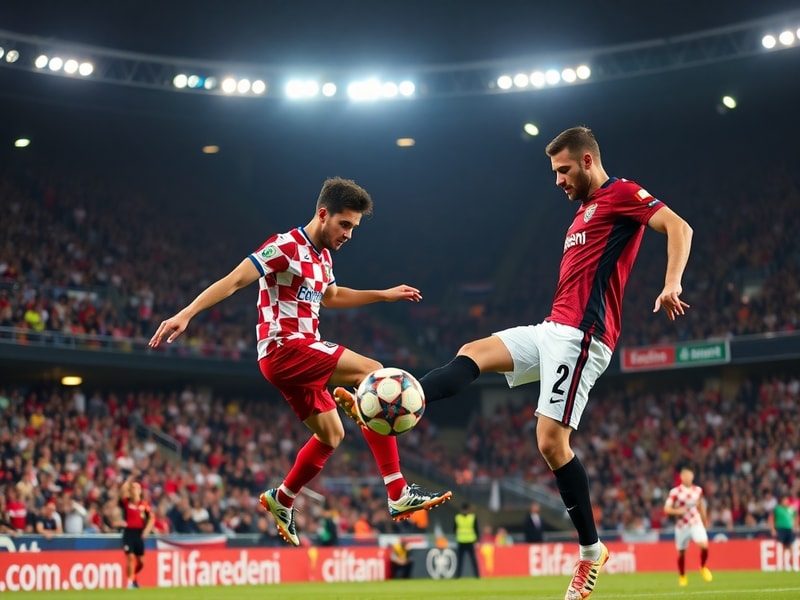
When New Zealand and Belgium lock horns on the pitch, it’s more than just a clash of colors and tactics—it’s a meeting of two distinctly different footballing philosophies. The All Whites bring a gritty, resilient style born of isolation and grassroots passion, while the Red Devils embody the polished, tactical sophistication of a nation with deep European footballing heritage. This contrast makes every encounter between these teams a study in contrasts: the underdog narrative against the elite, the physical against the technical.
Historical Context: How Two Footballing Worlds Collide
The rivalry between New Zealand and Belgium may not be steeped in decades of competitive history, but their paths have crossed in meaningful ways on the global stage. Both teams have participated in the FIFA World Cup, though with vastly different levels of success and expectations. Belgium, often dubbed the “Golden Generation” of European football, has consistently ranked among the world’s elite since 2014, boasting players like Kevin De Bruyne, Romelu Lukaku, and Eden Hazard in their prime. Their style is modern, possession-heavy, and built on technical mastery and positional play.
New Zealand, on the other hand, has carved out its identity through resilience and team spirit. The All Whites have never progressed beyond the group stage in World Cup history, yet they’ve claimed two Oceania Nations Cup titles and famously held Italy to a draw in the 2010 World Cup. Their approach is pragmatic—high pressing when needed, disciplined defending, and a reliance on set-pieces and counterattacks. That match against Italy, played in South Africa, remains one of the most celebrated results in New Zealand football history, a moment that symbolized the underdog triumphing against long odds.
When these teams meet, it’s not just about goals scored or clean sheets kept. It’s about what each team represents: Belgium showcases the future of football—data-driven, fluid, and star-studded—while New Zealand embodies the soul of the game, where passion often outweighs pedigree.
Tactical Showdown: Pressing vs. Possession
The tactical battle between New Zealand and Belgium would be fascinating to analyze in real time. Belgium, under current manager Domenico Tedesco, typically sets up in a 4-2-3-1 or 4-3-3 formation, emphasizing ball retention, quick transitions, and overloads in midfield. Their full-backs push high, creating width, and their front three interchange constantly to disorganize opposing defenses. The midfield pivot—often featuring players like Witsel and Tielemans—acts as a shield, recycling possession efficiently and launching attacks through vertical passes.
New Zealand, managed by Darren Bazeley, tends to deploy a 4-4-2 or 4-4-1-1 shape. Their approach is more reactive. They absorb pressure, defend in compact blocks, and look to exploit spaces on the counterattack. Set-pieces are a key weapon—New Zealand scored twice from corners in their 2010 draw with Italy. Their midfielders work hard to close passing lanes, and their wingers track back to form a back five when needed. It’s a system built for resilience, not flair.
If Belgium dominates possession, New Zealand must stay organized and patient. If New Zealand absorbs early pressure and hits quick counters, Belgium’s defenders—used to playing out from the back—could be caught off guard. The key tactical question: can New Zealand’s defensive structure withstand Belgium’s creative overloads, and can Belgium’s stars break down a resolute defensive unit without relying on individual brilliance alone?
Star Players: Where Talent Meets Role
Every match between elite and developing nations highlights the gap in individual quality. Belgium’s squad is packed with household names, players who perform at the highest level in Europe’s top leagues. Kevin De Bruyne, the midfield maestro, orchestrates play with pinpoint passes and long-range strikes. Romelu Lukaku, a physical presence with clinical finishing, leads the line. Eden Hazard, in his prime, was a dribbling nightmare for defenders. Even the bench is stacked with talent like Doku, Leyen, and Carrasco.
New Zealand’s players, while professional, are largely unknown outside Oceania. Captain and goalkeeper Stefan Marinovic plies his trade in the A-League, while striker Chris Wood is the most high-profile export, having played in the Premier League and Championship. Midfielder Clayton Lewis, known for his work rate and set-piece ability, is a key creative outlet. But the real strength of the All Whites lies in their unity. They play as a team first, and that cohesion often masks technical limitations.
The contrast is stark: one team’s success is built on individual genius; the other’s on collective effort. That dynamic could make for compelling viewing—especially if Belgium struggles to break down a disciplined opponent.
Broader Implications: What This Matchup Means for Football
Games like New Zealand vs. Belgium are more than just exhibition matches—they serve as a reminder of football’s global reach and its power to connect diverse cultures. For Belgium, it’s an opportunity to fine-tune their tactics against a different style of play, perhaps testing new formations or young players in a low-stakes environment. For New Zealand, it’s a chance to benchmark progress, gain exposure for their players, and inspire the next generation back home.
There’s also a narrative element. Belgium represents football’s elite—where data, science, and investment dictate success. New Zealand represents the heartland of football, where passion, community, and sheer willpower drive the game forward. In an era where football is increasingly dominated by wealthy clubs and nations, matches like this preserve the spirit of inclusivity and competition.
From a developmental perspective, these fixtures help smaller nations grow. Playing against top-tier opposition exposes weaknesses, accelerates learning, and raises standards. New Zealand’s players benefit from the experience of facing world-class talent, which can only improve their development pathways at home.
For fans, it’s about witnessing the beautiful game in its purest form—where underdogs chase glory, and legends test their mettle against all comers.
Key Takeaways from a New Zealand vs. Belgium Showdown
- Tactical Divergence: Belgium’s high-possession style clashes with New Zealand’s defensive pragmatism and counterattacking approach.
- Individual vs. Collective: Belgium’s star power contrasts sharply with New Zealand’s team-first mentality.
- Set-Piece Importance: New Zealand’s strengths in dead-ball situations could prove decisive against Belgium’s aggressive pressing.
- Developmental Impact: For New Zealand, it’s a chance to grow; for Belgium, a chance to refine.
- Global Representation: The match highlights football’s diversity—elite vs. emerging, technique vs. grit.
As the whistle blows and the teams take the field, one thing is clear: this isn’t just another friendly. It’s a collision of philosophies, a test of adaptability, and a celebration of football’s universal language. Whether you’re cheering for the Red Devils or the All Whites, the real winner is the sport itself.
And for those who believe football is more than just scores and trophies, moments like these remind us why we love the game.