The Round of 32 represents a pivotal moment in many knockout tournaments across sports and competitive gaming. Whether it’s football’s domestic cups, tennis majors, or espresso-fueled gaming tournaments, this stage separates the contenders from the pretenders. The field has been whittled down from dozens or even hundreds of participants, and now only 32 remain, each with a clear path to glory—and a single loss away from elimination.
Why the Round of 32 matters
This round isn’t just another bracket milestone—it’s a high-pressure filter. Teams and players who entered with high expectations suddenly face the reality that one bad match can end their journey. The Round of 32 often serves as the first real test of consistency, mental toughness, and adaptability. Upsets are common here, not because the favorites are weak, but because the margin for error shrinks dramatically.
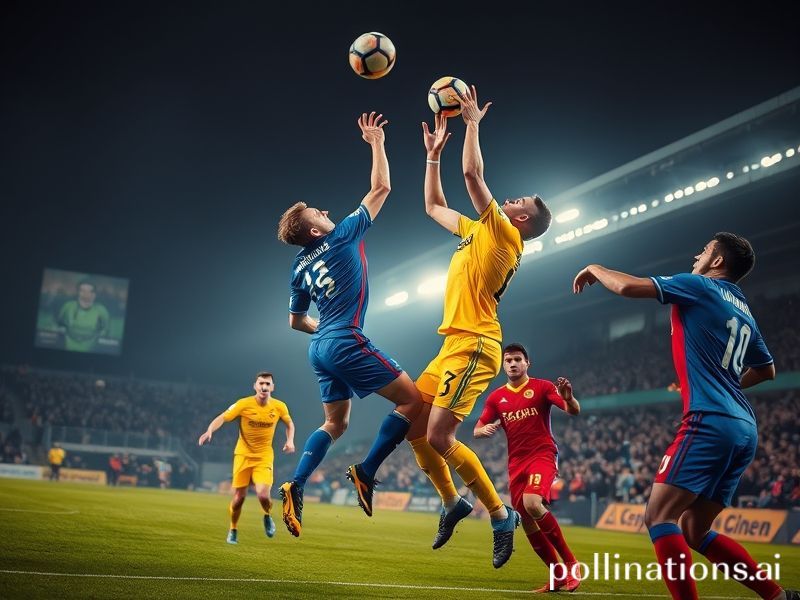
In football’s UEFA Champions League, for example, reaching the Round of 32 is an achievement in itself. Clubs that survive the qualifying rounds and group stages now enter the knockout phase with everything on the line. A single loss can send them to the Europa League or back to domestic campaigns. The stakes are even higher in single-elimination formats like the FIFA World Cup knockout rounds, where the Round of 32 is the gateway to the Round of 16.
The psychological edge: pressure and momentum
The Round of 32 is where psychological warfare begins in earnest. Teams that have cruised through group stages may feel invincible—until they face a hungry underdog with nothing to lose. Momentum shifts quickly. A last-minute winner, a red card, or a tactical misstep can swing the narrative in seconds. Players and coaches often speak of “mental resilience” as the defining factor at this stage.
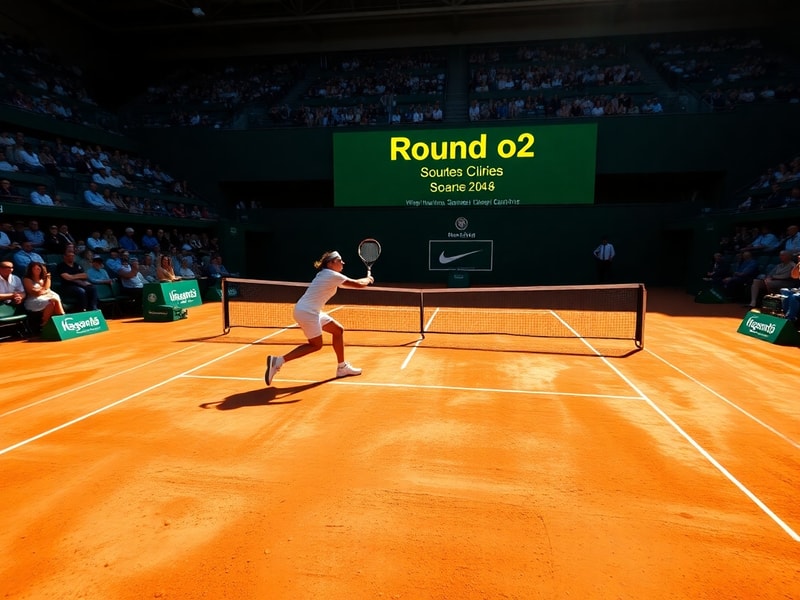
In tennis, the Round of 32 at a Grand Slam is where seeds start to feel the heat. A top-16 player might have coasted through early rounds, but now they face someone who has already beaten a seeded opponent. The pressure to perform under the gaze of global audiences is immense. Players like Carlos Alcaraz and Iga Świątek have thrived in these moments, turning pressure into opportunity.
Gaming tournaments offer a unique lens into this dynamic. In esports events like the League of Legends Mid-Season Invitational, the Round of 32 can feel like a gauntlet. Teams must adapt strategies on the fly, countering opponents they’ve studied for weeks. One misplayed objective can end a run before it truly begins.
Tactics that define the Round of 32
Tactical innovation peaks in this round. Coaches and players dissect opponents’ weaknesses, looking for patterns in replays, stats, and even social media. Do they struggle against high pressing? Are they vulnerable to counterattacks? The answers shape game plans that can either elevate a team or expose its flaws.
In football, managers often rotate squads to manage fatigue, prioritizing fitness and fresh legs. A tired fullback or a midfielder carrying knocks can be the difference between a clean sheet and a leaky defense. The Round of 32 demands smart squad rotation without sacrificing quality.
In esports, the tactical depth is staggering. Teams might draft compositions designed to counter specific champions, or switch between aggressive and defensive playstyles based on in-game situations. The best teams treat the Round of 32 not as a hurdle, but as a puzzle to solve—one that changes with every match.
Key tactical approaches across sports and gaming
- Possession football vs. counterattacking: Teams with strong midfield control may dominate possession, while others rely on quick transitions to catch opponents off guard.
- Set-piece mastery: Corners, free kicks, and penalty shootouts become high-leverage moments that can decide tight matches.
- Champion/character selection: In esports, picking the right champions or loadouts is critical, often determined by scouting the opponent’s tendencies.
- Mental preparation: Visualization, breathing exercises, and team bonding rituals help players manage stress and maintain focus.
Upsets and underdogs: when the bracket explodes
The Round of 32 is the stage where underdogs shine. Lower-ranked teams or unseeded players often enter with a chip on their shoulder, playing with freedom while the favorites feel the weight of expectation. These upsets aren’t just exciting—they redefine tournaments. A well-timed upset can send shockwaves through brackets, creating new narratives and storylines.
In the 2022 FIFA World Cup, Japan’s 2-1 win over Germany in the group stage set the tone for their Round of 16 run. Though they eventually fell to Croatia, their fearless approach inspired other underdogs. Similarly, in tennis, players like Emma Raducanu and Leylah Fernandez rose from relative obscurity to win Grand Slams, in part by thriving in high-pressure rounds like the Round of 32.
Even in esports, the Round of 32 has produced legendary upsets. Fnatic’s 2015 League of Legends World Championship run began with a stunning victory over EDward Gaming, a team many expected to dominate the tournament. That win propelled Fnatic through the bracket and into the finals.
What comes next: the road to the Round of 16
Surviving the Round of 32 doesn’t guarantee a path to the Round of 16—it only secures a ticket to the next round. The real challenge is consistency. Teams and players must maintain their form, adjust to fatigue, and outthink opponents who are equally desperate to advance.
In football, the Round of 16 often pits group winners against runners-up, creating unpredictable pairings. A team that topped its group might face a side that scraped through the Round of 32 with a late winner. Tactical flexibility becomes essential, as managers juggle formations and personnel to exploit weaknesses.
In gaming, the Round of 16 demands even greater adaptability. Teams analyze opponents’ VODs (videos of past matches) to identify patterns, then adjust their drafts and strategies accordingly. One misstep in champion selection or positioning can cost a series.
As tournaments progress, the Round of 32 stands as a testament to the beauty of competition. It’s where legends are forged, upsets are celebrated, and the unexpected becomes the norm. For fans, it’s a rollercoaster of emotions—hope, doubt, exhilaration, and heartbreak. For competitors, it’s a crucible that separates the good from the great.
Whether in football, tennis, esports, or any other arena, the Round of 32 is more than a bracket milestone. It’s a reminder that in the world of high-stakes competition, preparation meets opportunity—and only the resilient advance.