The Western Genre: A Global Legacy of Myth and Reality
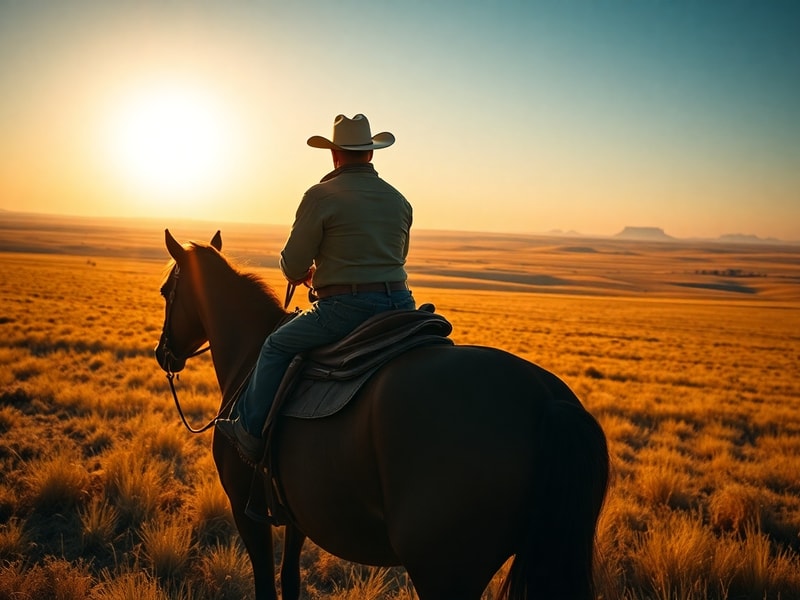
The American West has long been a canvas for storytelling, where the rugged individualism of cowboys clashes with the untamed frontier. This tension gave rise to the Western genre, a cinematic and literary tradition that has transcended borders to influence global pop culture. From its early silent film roots to modern reinterpretations, the Western is more than just dusty saloons and six-shooters—it’s a reflection of evolving societal values, colonial ambitions, and the myth of the frontier.
The genre’s origins trace back to 19th-century dime novels and frontier journalism, which romanticized the lawless yet heroic figures of the American West. These tales of outlaws, sheriffs, and settlers captured imaginations long before the first moving images flickered on screens. By the 1920s, the Western had cemented its place in Hollywood, evolving alongside America’s own identity crises—from the optimism of Manifest Destiny to the disillusionment of the post-Civil War era. Directors like John Ford turned the genre into an art form, using sweeping landscapes to underscore themes of justice, sacrifice, and the cost of progress.
The Western’s Evolution: From Classic to Revisionist
The classic Western of the mid-20th century often portrayed the West as a binary world: black-hatted villains versus white-hatted heroes, lawmen versus outlaws. Films like The Searchers (1956) and High Noon (1952) reinforced the idea of the West as a moral battleground where right inevitably triumphs. Yet even these films hinted at the genre’s potential for deeper critique. John Wayne’s Ethan Edwards in The Searchers, for instance, is a complex figure—both a racist and a protector, embodying the contradictions of the frontier.
By the 1960s and 70s, the Western began to fracture. The revisionist movement, led by directors like Sergio Leone and Sam Peckinpah, dismantled the genre’s black-and-white morality. Leone’s The Good, the Bad and the Ugly (1966) stripped the West of its heroism, replacing it with a brutal, almost nihilistic world where survival depended on cunning rather than courage. Peckinpah’s The Wild Bunch (1969) further deconstructed the myth, portraying aging outlaws as relics of a dying era, their violence both thrilling and tragic.
This shift mirrored broader cultural changes. The Vietnam War and the civil rights movement forced audiences to question the simplistic narratives of the past. The Western became a vehicle for exploring colonialism, racial injustice, and the exploitation of the land. Films like Dances with Wolves (1990) and Dead Man (1995) offered Indigenous perspectives, while Unforgiven (1992) dismantled the myth of the invincible gunslinger entirely. Clint Eastwood’s William Munny is a broken man, haunted by his past, a far cry from the infallible heroes of earlier Westerns.
Global Reinventions: The Western Beyond America
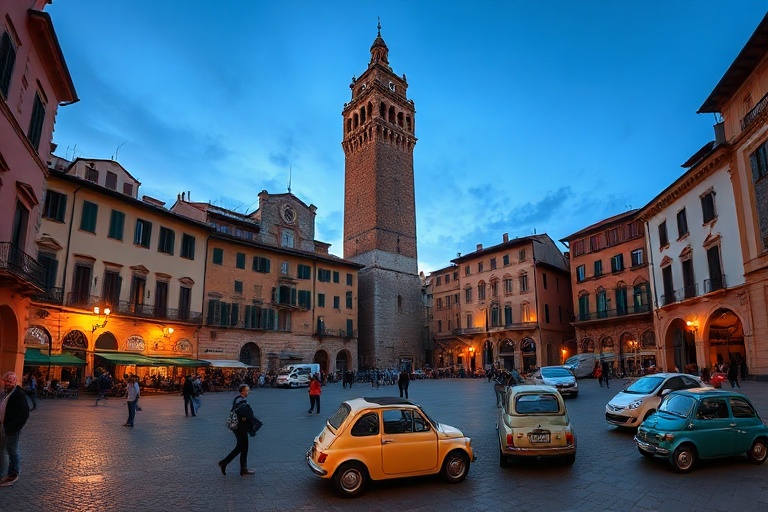
The Western’s influence isn’t confined to the United States. Filmmakers around the world have reimagined the genre, infusing it with local flavors and political undertones. In Italy, the spaghetti Western became a phenomenon in the 1960s and 70s, blending American frontier tropes with European existentialism. Leone’s films, with their operatic violence and morally ambiguous characters, felt distinctly Italian—less about the American West and more about the human condition. The iconic score of A Fistful of Dollars (1964), composed by Ennio Morricone, became as recognizable as any American Western soundtrack.
Japan, too, embraced the Western, albeit in a radically different form. Akira Kurosawa’s Yojimbo (1961) and Sanjuro (1962) borrowed heavily from American Westerns, transplanting samurai warriors into a feudal Japan that mirrored the lawless frontier. Toshiro Mifune’s wandering ronin became a stand-in for the lone gunslinger, a figure caught between duty and survival. These films, in turn, inspired Sergio Leone, who cited Kurosawa as a major influence. The cross-pollination between Japanese and Italian Westerns illustrates how the genre transcends borders, adapting to local cultures while retaining its core themes.
In India, the Western found a new home in Bollywood. Films like Sholay (1975) blended the tropes of the American West with Indian folklore, creating a hybrid genre known as the curry Western. The movie’s iconic villain, Gabbar Singh, is a bandit straight out of a Leone film, while the heroic duo of Veeru and Jai evoke the buddy dynamics of classic Westerns. Sholay became a cultural touchstone in India, proving that the Western’s appeal is universal—its themes of justice, revenge, and redemption resonate across cultures.
Even in Africa, directors have reimagined the Western. Films like The Wilderness Trail (1994) and Mapantsula (1988) use the genre’s structure to explore post-colonial struggles, replacing cowboys with anti-apartheid activists and bandits with corrupt officials. These reinventions highlight the Western’s flexibility—it’s not just a relic of American history but a malleable framework for storytelling.
Why the Western Still Matters Today
The Western’s enduring appeal lies in its ability to reflect contemporary anxieties. In an era of political polarization and environmental crisis, the genre’s themes of law versus chaos, progress versus tradition, feel eerily relevant. Modern Westerns like News of the World (2020) and The Power of the Dog (2021) use the frontier setting to explore isolation, masculinity, and the search for meaning. These films strip away the genre’s traditional action, focusing instead on character and atmosphere.
The Western also offers a lens through which to examine America’s fraught relationship with its past. The 2022 film Killers of the Flower Moon, directed by Martin Scorsese, is a devastating critique of colonialism and greed, using the Osage murders of the 1920s as its backdrop. The film’s title refers to the 1921 murders of Osage Nation members in Oklahoma, a dark chapter in American history that the Western genre has often glossed over. By confronting this history, Killers of the Flower Moon forces audiences to reckon with the genre’s origins—and its complicity in mythmaking.
Beyond cinema, the Western’s influence persists in other mediums. Video games like Red Dead Redemption 2 (2018) offer immersive open worlds where players navigate the moral ambiguities of the frontier. The game’s attention to detail—from its authentic period costumes to its hauntingly beautiful landscapes—captures the genre’s essence while pushing it into new territory. Even fashion and music have been touched by the Western aesthetic, from cowboy boot trends to country music’s enduring love affair with frontier mythology.
The Future of the Western
As the world grapples with climate change and social inequality, the Western’s themes of survival and justice remain potent. The genre is evolving, shedding its traditional trappings to address modern issues. Films like The Harder They Fall (2021), which reimagines real-life Black outlaws with an all-star Black cast, challenge the genre’s historical exclusivity. Meanwhile, TV shows like 1883 (2021–2022) and 1923 (2022–present) use the Western format to explore the roots of American inequality, from the Trail of Tears to the rise of corporate power.
Technology is also reshaping the Western. Virtual reality and interactive storytelling could offer new ways to experience the frontier, blurring the line between audience and protagonist. Imagine stepping into the boots of a homesteader or a sheriff in 1880s Texas, making choices that alter the course of a story. The genre’s adaptability suggests it will continue to thrive, not just as a nostalgic relic but as a tool for examining the past—and the present.
The Western’s legacy is a testament to the power of myth. It’s a genre that has been reinvented countless times, each iteration reflecting the fears, hopes, and obsessions of its era. Whether through the lens of a Hollywood camera or the brushstrokes of a Japanese ink painting, the Western remains a vital form of storytelling—one that challenges us to confront the complexities of history and the human condition.
For those looking to explore the genre further, Entertainment sections on platforms like Dave’s Locker offer curated lists of classic and modern Westerns. Whether you’re a fan of the traditional or the avant-garde, there’s always a new frontier to discover.