Where to Watch the BBC and ITV World Cup Fixtures in the UK
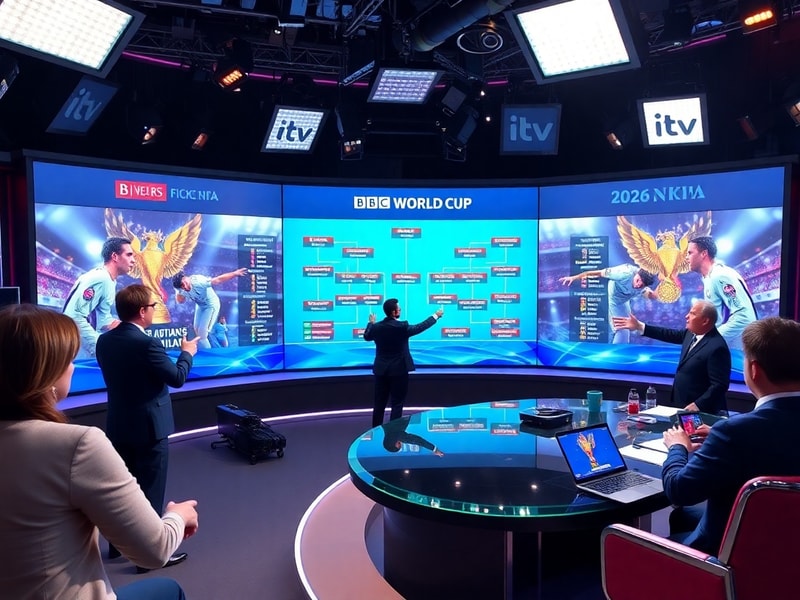
The World Cup is back, and British viewers have two trusted broadcasters ready to deliver every match. The BBC and ITV have secured the rights to air the tournament in the UK, ensuring fans can watch without a subscription. This split coverage—with each broadcaster handling different matches—creates a unique viewing experience. Understanding where to find each game is crucial, especially for those juggling schedules or regional preferences.
The BBC traditionally focuses on the knockout stages and high-profile group games, while ITV tends to cover earlier group fixtures and select marquee matches. This strategy ensures broad coverage across both channels and their digital platforms. For fans relying on free-to-air broadcasts, knowing the exact fixtures and broadcast slots will prevent missing a single moment of the action.
Key Matches and Broadcast Breakdown
The allocation of fixtures between the two broadcasters follows a pattern that prioritizes both accessibility and spectacle. Here’s a breakdown of how the coverage typically works:
- BBC coverage: Usually includes the opening match, knockout rounds (Round of 16 onwards), and any England games that fall outside ITV’s scheduled slots. The BBC also tends to stream additional content via BBC iPlayer and the Sport website.
- ITV coverage: Often handles the bulk of group-stage matches, especially those without England. ITV also tends to broadcast select high-profile games that may not involve the home nation, ensuring a wider range of matches are accessible.
- Digital and streaming: Both BBC and ITV offer live streams of matches through their respective platforms—BBC iPlayer and the ITVX app—allowing viewers to watch on mobile devices or smart TVs.
- Radio commentary: For those on the move, BBC Radio 5 Live and local stations provide live commentary and updates, ensuring no fan misses a crucial moment.
This division ensures that every match gets airtime, but it can lead to scheduling conflicts. Fans hoping to watch multiple games in a single day may need to switch between channels or rely on streaming services to catch all the action.
Why the Split Matters for Viewers
The BBC and ITV split isn’t just about tradition—it reflects broader shifts in broadcasting and audience behavior. The BBC, funded by the licence fee, has a mandate to serve all UK viewers, including those without paid subscriptions. ITV, meanwhile, operates commercially but still provides free-to-air coverage, making the World Cup accessible to millions who might not otherwise watch.
In an era where streaming dominates, the continued availability of free-to-air broadcasts ensures football remains a unifying national event. Families, pubs, and community centers can all tune in without worrying about paywalls or subscriptions. This accessibility is particularly important for younger viewers or those in lower-income households who rely on over-the-air broadcasts.
However, the split also creates fragmentation. Viewers accustomed to watching all their football on a single channel may find themselves toggling between platforms. Those using smart TVs or set-top boxes may struggle with clunky interfaces when switching between BBC and ITV apps. For older audiences especially, this can be a barrier to fully enjoying the tournament.
How to Plan Your Viewing Schedule
With matches spread across multiple days and channels, planning ahead is essential. Start by checking the full fixture list on both the BBC and ITV websites, which publish detailed schedules with kick-off times and broadcast details. Use a digital calendar or TV guide app to set reminders for key games, particularly England matches or high-stakes fixtures.
If you’re hosting a viewing party, consider where your guests will watch. A pub or community center may have one channel over another, so confirm which broadcaster they’re using beforehand. For home viewing, test your streaming setup in advance—slow connections or outdated devices can ruin the experience when the action heats up.
For those who want to catch up on missed matches, both BBC iPlayer and ITVX offer catch-up services, though availability may vary depending on rights agreements. Download the apps ahead of time to avoid last-minute technical issues.
If you’re looking for more sports coverage beyond the World Cup, check out our Sports section, where we track live events, analysis, and breaking news across multiple disciplines. For deeper insights into broadcasting trends and media rights, our News section offers regular updates on how sports are consumed in the digital age.
What the Broadcast Split Reveals About Modern Viewing Habits
The BBC and ITV’s approach to World Cup coverage highlights how traditional broadcasters are adapting to a fragmented media landscape. While streaming services like Netflix and Amazon Prime dominate headlines, live sports remain a cornerstone of free-to-air broadcasting. This reflects a broader trend: despite the rise of on-demand content, live events still draw massive audiences when they’re easily accessible.
The split also underscores the importance of regional flexibility. In the past, a single broadcaster could dominate sports coverage. Today, partnerships between networks allow for broader reach without sacrificing quality. This model benefits viewers, who gain access to more matches, while broadcasters share the financial burden of securing rights.
From a commercial standpoint, the arrangement makes sense. The BBC and ITV can tailor their coverage to different audiences—BBC focusing on prestige and depth, ITV on accessibility and variety. This division prevents one broadcaster from monopolizing the conversation, ensuring diverse perspectives in commentary and analysis.
Looking Ahead: The Future of Sports Broadcasting
As streaming services continue to grow, the BBC and ITV’s model may evolve. Already, both broadcasters are investing in digital platforms, offering live blogs, expert analysis, and interactive features alongside traditional broadcasts. The next step could be hybrid models, where free-to-air broadcasts are complemented by premium streaming options for in-depth content.
For now, though, the BBC and ITV’s collaboration ensures the World Cup remains a public event. In a media landscape increasingly dominated by paywalls and algorithm-driven content, free-to-air sports coverage is a rare unifier. Whether you’re watching England’s opener or a late-night knockout thriller, the shared experience of gathering around a screen—whether at home or in a pub—is what makes the World Cup special.
So grab your snacks, check your channel, and settle in. The tournament is here, and for once, everyone has a front-row seat.