Chicago’s Pride Parade 2026: What to Expect from the Windy City’s Biggest Celebration
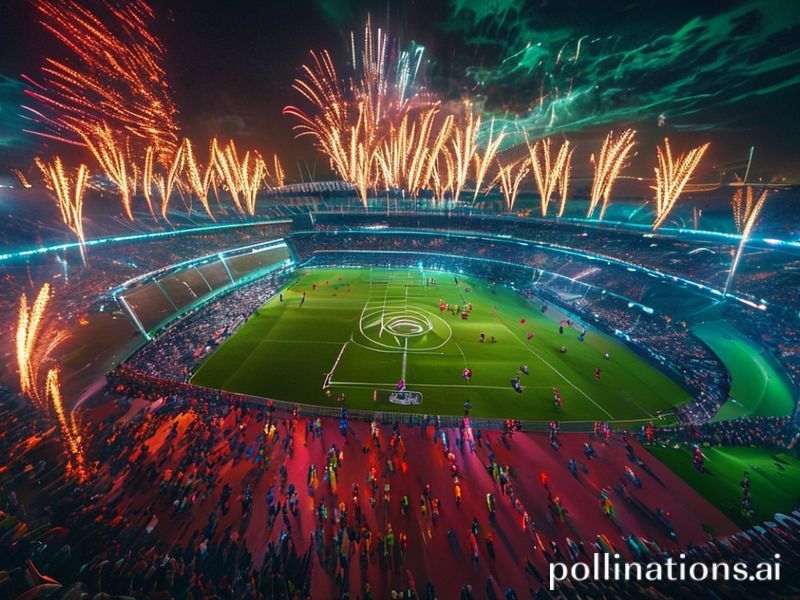
Chicago’s Pride Parade has long been a cornerstone of the city’s LGBTQ+ community, drawing hundreds of thousands of spectators each year. As organizers finalize plans for the 2026 event, anticipation is building around new themes, expanded inclusivity, and the city’s evolving role in the national conversation on queer rights. The parade, scheduled for June 28, 2026, promises to be bigger and more vibrant than ever, with fresh programming and partnerships that reflect both tradition and progress.
This year’s theme, “Reclaiming Our Roots,” was announced in early 2025, signaling a deliberate shift toward honoring the movement’s history while addressing modern challenges. Organizers have emphasized a return to the parade’s activist origins, blending celebration with calls for policy change. The choice of date—coinciding with the 50th anniversary of the first Pride march in Chicago—adds historical weight to the festivities.
The parade route remains unchanged, stretching from the historic Boystown neighborhood to the heart of downtown along Halsted Street. But the programming surrounding it is expanding. For the first time, the Chicago Pride Festival will include a dedicated “Activist Corner,” featuring workshops on voter registration, healthcare advocacy, and workplace rights. This reflects a broader trend in Pride events nationwide, where celebration is increasingly paired with tangible community support.
New Partnerships and Expanded Accessibility
Chicago’s 2026 Pride Parade will introduce several firsts, including a partnership with the Adler Planetarium to host a “Queer Cosmos” exhibit during Pride weekend. The collaboration aims to merge science, art, and queer identity, offering a unique lens on LGBTQ+ representation in astronomy and astrophysics. Meanwhile, the Chicago Department of Transportation has committed to improved accessibility along the parade route, with additional ramps, ASL interpreters, and sensory-friendly viewing zones.
Accessibility extends beyond physical barriers. For the first time, the parade will feature a live audio description service for visually impaired attendees, along with a dedicated quiet space for neurodivergent participants. These changes align with Chicago’s push to make Pride events more inclusive for all members of the community. Organizers have also partnered with local disability advocacy groups to ensure the modifications are meaningful and effective.
The parade’s grand marshal lineup for 2026 reflects this commitment to diversity. This year’s honorees include:
- CeCe McDonald, a Black transgender activist and wrongful imprisonment survivor, who will lead the parade as the first-ever Black trans grand marshal.
- Marisol Gamero, a Chicago-based drag performer and community organizer, representing the city’s vibrant drag scene.
- Dr. James W. Murdock, a retired pediatrician and longtime LGBTQ+ healthcare advocate, highlighting the importance of inclusive medical services.
This diverse selection underscores the parade’s role as both a celebration and a platform for marginalized voices. By centering Black trans women and drag performers, Chicago is making a clear statement about whose stories deserve to be amplified.
The Economic and Cultural Impact of Pride
Chicago’s Pride Parade is more than a cultural event—it’s an economic powerhouse. In 2024, the parade generated an estimated $120 million for local businesses, from hotels and restaurants to transportation and retail. The 2026 edition is expected to surpass that figure, with organizers projecting a 15% increase in attendance and a corresponding boost to the city’s economy. This economic impact is particularly significant for small businesses in Boystown, where many queer-owned enterprises rely on Pride weekend for a substantial portion of their annual revenue.
The parade also serves as a magnet for tourism. Hotels across the city report Pride weekend as one of their busiest periods, with visitors traveling from across the Midwest and beyond. Chicago’s tourism bureau has launched a targeted marketing campaign for 2026, positioning the parade as a must-see event for LGBTQ+ travelers. The city’s reputation as a welcoming destination is further bolstered by its progressive policies, including protections for transgender individuals and a ban on conversion therapy.
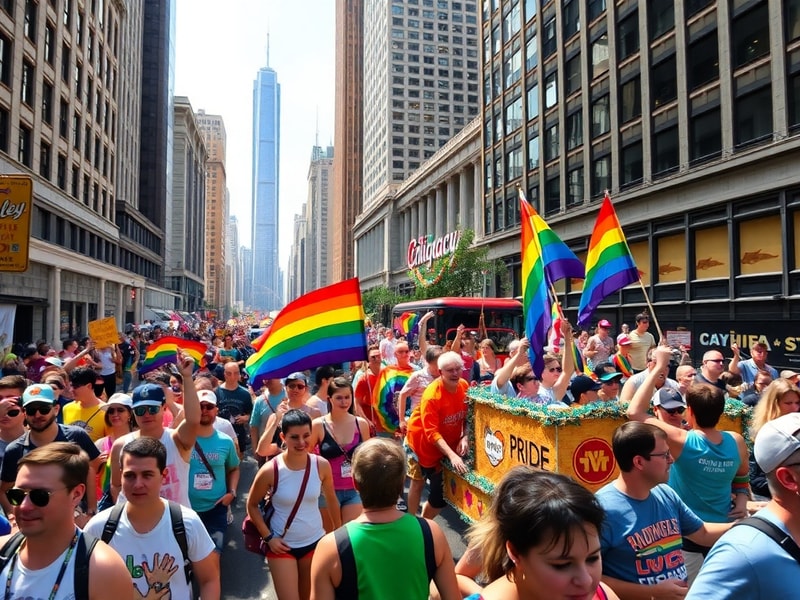
Culturally, the parade remains a vital space for queer expression. From the elaborate floats to the impromptu dance parties that spill onto side streets, Pride is a rare moment where the city’s LGBTQ+ community can fully occupy public space without apology. This year, the parade will feature a dedicated “Trans Joy” bloc, a first for Chicago, celebrating trans and nonbinary identities through music, dance, and art. The bloc is a direct response to the rising tide of anti-trans legislation in other states, offering a defiant counterpoint to the hostility facing queer communities elsewhere.
Local artists are also playing a larger role in the 2026 parade. The “Art on Halsted” initiative will transform the parade route into an open-air gallery, showcasing works by LGBTQ+ artists from across the city. The project includes murals, interactive installations, and live painting sessions, ensuring that Pride remains a dynamic, ever-evolving experience.
Challenges and Community Responses
Despite the celebratory atmosphere, organizing Pride in 2026 comes with challenges. The parade’s leadership has faced criticism for its handling of security concerns, particularly in the wake of recent attacks on LGBTQ+ spaces in other cities. Organizers have responded by increasing visible police presence along the route while also working with community groups to ensure the patrols are respectful and non-intrusive. The Chicago Police Department has pledged to prioritize de-escalation training for officers assigned to Pride events.
Another point of contention is the parade’s corporate sponsorships. Critics argue that some partnerships—particularly with companies accused of anti-LGBTQ+ policies—undermine the event’s activist roots. Organizers have taken steps to address these concerns by vetting sponsors more rigorously and creating a public transparency report on corporate donations. This year, the parade will feature a “Corporate Accountability Zone,” where attendees can learn about the impact of sponsorships and engage with advocacy groups.
The pandemic’s lingering effects also pose logistical hurdles. While in-person events are back in full force, organizers are mindful of the need to accommodate attendees who may still feel vulnerable. The 2026 parade will offer a hybrid viewing option, with a live stream of the main stage performances and a virtual panel discussion on queer resilience. These measures ensure that Pride remains accessible to those who cannot attend in person.
Looking Ahead: Why Chicago Pride Matters
Chicago’s Pride Parade has always been more than a party—it’s a testament to the city’s resilience and a barometer for the health of the national LGBTQ+ movement. In an era where queer rights are under attack in statehouses across the country, Chicago’s commitment to celebration and activism offers a powerful counter-narrative. The 2026 parade, with its focus on accessibility, diversity, and historical reflection, is poised to set a new standard for what Pride can be.
For many attendees, the parade is a lifeline—a chance to see themselves represented in a city where queer life thrives year-round. From the drag brunch spots in Andersonville to the queer bookstores in Lakeview, Chicago’s LGBTQ+ community is woven into the fabric of the city. The parade amplifies that presence, transforming the streets into a sea of color and joy. It’s a reminder that progress is possible, even in uncertain times.
As the countdown to June 2026 begins, one thing is clear: Chicago Pride is not just an event—it’s a movement. And in a city known for its grit and its heart, that movement is stronger than ever.