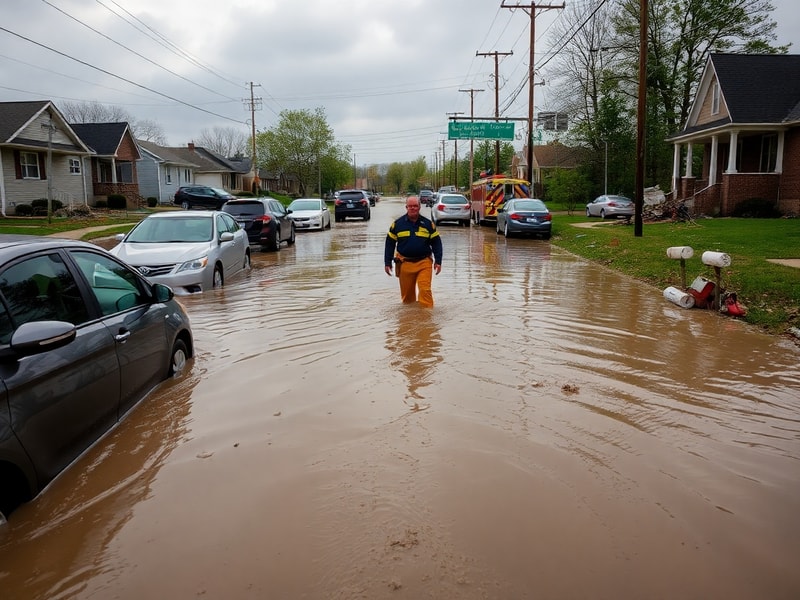
Flash flooding swept through eastern Kentucky in late July, leaving behind a trail of destruction that has left communities grappling with the aftermath. Torrential rainfall—up to eight inches in some areas—fell within hours, overwhelming rivers and creeks that had been running low just days earlier. The deluge turned quiet valleys into raging torrents, submerging homes, severing roads, and isolating entire towns. Emergency responders worked around the clock to rescue stranded residents, but the scale of the damage has stretched resources thin. This isn’t the first time Kentucky has faced such flooding, but the intensity and suddenness of this event have raised urgent questions about preparedness and resilience.
What triggered the Kentucky flash floods
The flooding was the result of a stalled weather system that parked over the region for nearly 48 hours. Meteorologists noted that a combination of tropical moisture from the Gulf of Mexico and a slow-moving frontal boundary created the perfect conditions for extreme rainfall. Radar estimates showed some areas receiving more than six inches of rain in under six hours—far exceeding the thresholds that typically trigger flash flood warnings. The saturated ground from earlier rains couldn’t absorb the sudden downpour, forcing water to race down hillsides and into valleys. Rivers like the Kentucky and North Fork of the Kentucky quickly rose to historic levels, cresting well above flood stage.
Local officials described the event as a “once-in-a-generation” rainfall event, though such descriptions have become more common in recent years. The National Weather Service issued multiple flash flood warnings, but in rural areas with limited cell service, many residents didn’t receive timely alerts. This lag in communication compounded the crisis, leaving some communities unaware of the danger until it was too late. The geography of eastern Kentucky—characterized by steep terrain and narrow valleys—amplified the flooding’s destructive power, funneling water and debris directly into populated areas.
Immediate impacts on communities and infrastructure
The human toll has been devastating. As of early August, officials reported at least four fatalities, with search and rescue operations still underway in hard-to-reach areas. Hundreds of homes were damaged or destroyed, displacing entire families. In Knott County alone, emergency crews rescued over 100 people from rooftops and vehicles, while aerial surveys revealed entire neighborhoods cut off by washed-out roads. The flooding also disrupted critical infrastructure, including water treatment plants and electrical substations, leaving thousands without clean drinking water or power. Schools in several counties canceled classes indefinitely, and local businesses—many still recovering from the pandemic—faced another financial blow.
Transportation networks were particularly hard hit. Major highways like Route 15 and Route 80 were impassable due to landslides and floodwaters, cutting off supply routes for emergency responders. The Kentucky Transportation Cabinet estimated that repairs could take weeks or even months, depending on the extent of the damage. Meanwhile, the Kentucky River Authority warned of ongoing flood risks as swollen tributaries continued to feed into the main stem. The economic ripple effects are already being felt, with farmers losing crops and small business owners facing lost revenue during peak summer tourism season.
Health risks have also emerged as a major concern. Floodwaters contaminated wells and disrupted sewage systems, raising fears of waterborne illnesses. Health departments in affected counties issued boil-water notices, but access to safe drinking water remains inconsistent. Mental health professionals have noted a rise in anxiety and trauma among residents, particularly children, who witnessed the destruction firsthand. Local shelters, already stretched thin, are now coordinating with state agencies to provide long-term support, including temporary housing and counseling services.
Broader implications: Climate, policy, and preparedness
While flash floods are not new to Kentucky, the increasing frequency and intensity of such events have prompted calls for stronger climate adaptation strategies. Eastern Kentucky is particularly vulnerable due to its topography and socioeconomic factors. Many communities in the region are rural, with aging infrastructure and limited resources to invest in flood mitigation. The Appalachian Regional Commission has highlighted these disparities, noting that federal disaster funding often arrives too late to prevent long-term damage. Critics argue that more proactive measures—such as improved drainage systems, floodplain restoration, and early warning technology—are needed to protect at-risk populations.
Climate scientists point to a clear trend: warmer air holds more moisture, leading to heavier rainfall events. A 2023 report from the Kentucky Climate Center found that the state has experienced a 20% increase in extreme precipitation events over the past two decades. This shift aligns with broader patterns observed across the U.S., where flood-related disasters have become the most costly and frequent type of natural hazard. Yet, despite these warnings, funding for flood resilience programs has remained inconsistent. In 2021, Kentucky received $12 million from the Federal Emergency Management Agency (FEMA) for flood mitigation projects, but advocates say that’s a fraction of what’s needed to address the growing threat.
Policy responses have been slow to catch up. The state’s 2022 Hazard Mitigation Plan identified flash flooding as a top risk but lacked specific timelines or dedicated budgets for implementation. Meanwhile, local governments are left to navigate a patchwork of state and federal programs, often competing for limited resources. Some counties have turned to nature-based solutions, such as restoring wetlands and reforesting hillsides, to absorb excess water. These efforts, though promising, require sustained investment and community buy-in. Without coordinated action, the cycle of destruction and recovery is likely to repeat.
Lessons learned and the path forward
For now, the focus remains on recovery. Nonprofits like Team Eastern Kentucky Flood Relief and the American Red Cross have mobilized volunteers and donations, but the scale of the need is daunting. Residents are sharing stories of resilience, from neighbors helping each other escape floodwaters to volunteers clearing debris from roads. Yet, the road to normalcy is long. Rebuilding homes, restoring services, and addressing mental health needs will take months, if not years. The question now is whether this disaster will serve as a wake-up call—or another chapter in a familiar, tragic cycle.
Looking ahead, several key steps could help mitigate future risks. First, expanding early warning systems is critical, especially in rural areas where communication infrastructure is weak. Second, investing in green infrastructure—such as permeable pavement and retention ponds—can help absorb excess water and reduce runoff. Third, strengthening building codes in flood-prone areas could prevent future losses. Finally, fostering collaboration between state agencies, local governments, and community organizations will ensure that resources are used efficiently and equitably.
Eastern Kentucky has faced adversity before, but the scale of this challenge demands a new approach. The floods of July 2024 were a stark reminder that climate change is not a distant threat—it’s here, and it’s reshaping lives. The question is no longer whether Kentucky will face another such event, but how prepared it will be when it does.
- Dave’s Locker News for ongoing updates on disaster response and recovery efforts.
- Dave’s Locker Analysis for deeper dives into the policy and climate implications of natural disasters.
As the waters recede and the rebuilding begins, one thing is clear: Kentucky’s future will be shaped by the choices made today. Whether those choices lead to resilience or repeated crisis remains to be seen—but the time to act is now.