The Mercedes-AMG Petronas Formula One Team found itself in the spotlight for all the wrong reasons last week after reports surfaced that its garage crew breached the sport’s strict curfew regulations during the Singapore Grand Prix weekend.
What exactly happened in Singapore?
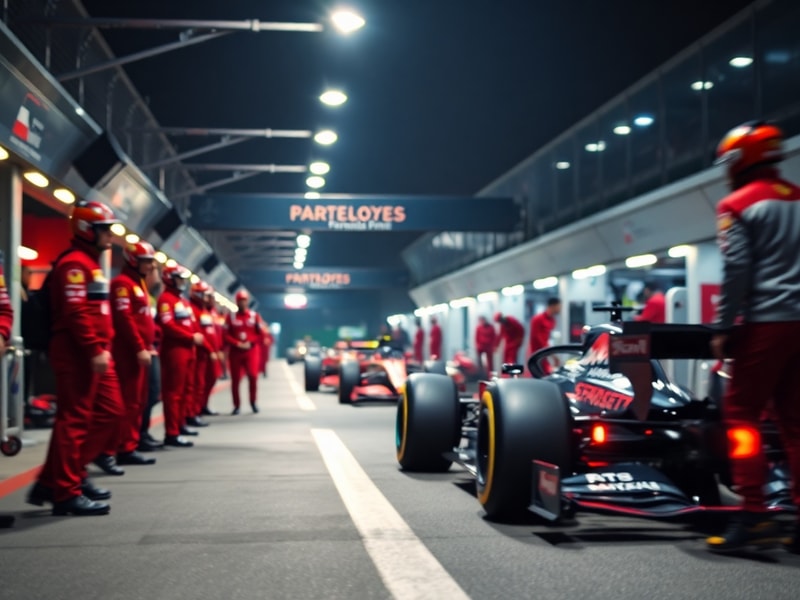
According to the official FIA report released on Monday, members of the Mercedes garage were found working inside their pit garage approximately 30 minutes after the curfew had started. The curfew, which began at 11 p.m. local time on Friday, prohibits any team personnel from entering the pit lane or garages unless granted special dispensation.
Mercedes initially acknowledged the breach in a statement released on Sunday evening, confirming that an internal review had identified “a small number of team members” who remained in the garage after the deadline. The team emphasized that the situation was “inadvertent” and resulted from “miscommunication regarding timing.”
Why does the curfew exist in F1?
The curfew isn’t just a bureaucratic rule—it’s a critical safety and logistical measure designed to prevent teams from gaining an unfair advantage through late-night preparation. Introduced in 2009, the curfew restricts access to the pit lane and garages from 11 p.m. to 6 a.m. local time, except on race weekends when it’s extended until 7 a.m. on non-race days.
It’s part of a broader set of rules meant to maintain competitive balance. Teams are already restricted in how much they can work on cars outside designated hours, and the curfew prevents any last-minute adjustments that could influence race performance. Breaches are taken seriously because they could theoretically allow teams to gain an edge—even if only by a few minutes.
In the past, curfew violations have led to fines, reprimands, and even public warnings. In 2022, Aston Martin received a formal reprimand after a team member entered the garage during curfew. The penalties may seem minor, but they accumulate in the Constructors’ Championship standings and can affect team morale.
How Mercedes responded to the incident
Mercedes acted swiftly once the breach was confirmed. Team principal Toto Wolff addressed the situation during a media briefing on Monday, calling it “unacceptable” and acknowledging that the team had “fallen short of its own standards.”
The team outlined several immediate measures, including additional training for staff on curfew protocols and a review of internal communication systems to prevent future oversights. Wolff also stressed that no competitive advantage was gained, stating, “We were not working on the car. We were not gaining any time. But the principle of the curfew is absolute.”
On Tuesday, the FIA confirmed that Mercedes had been handed a formal warning—a step below a fine or reprimand in severity. While the penalty was light, the reputational damage may linger. The team, known for its precision and professionalism, has faced scrutiny before, including during the 2022 season when it was penalized for a brake duct infringement.
Could this affect Mercedes’ standing in the championship?
At first glance, a curfew breach seems minor, especially when no competitive edge was gained. However, in a sport where margins are razor-thin, even perceived lapses in discipline can shape public perception—and that matters in a championship fight.
Mercedes currently sits second in the Constructors’ Championship, just 22 points behind Red Bull. While the curfew violation won’t directly impact their points, it could influence how rivals and fans view their reliability. Consistency is key in F1, and any deviation from the rules—even unintentional—can invite closer scrutiny from rivals and the FIA.
There’s also the psychological factor. Teams like Red Bull and Ferrari operate with intense focus on regulations, often citing “zero tolerance” policies. A breach, no matter how small, can erode confidence among team members and fans alike. Mercedes has built its reputation on meticulous preparation; this incident, however minor, introduces a crack in that image.
What’s next for F1’s curfew enforcement?
The Singapore incident raises broader questions about how strictly the curfew is enforced—and whether the penalties are tough enough to deter future breaches. The FIA has historically taken a measured approach, preferring education over punishment. But with technology like GPS tracking and 24/7 surveillance in the paddock, it’s becoming harder to hide violations.
Some insiders suggest that the FIA could introduce stricter penalties, such as time penalties in practice sessions or additional financial fines, to reinforce the rule’s importance. Others argue that the current system is sufficient, as most breaches are unintentional and teams self-report them promptly.
What’s clear is that the curfew remains a critical part of F1’s regulatory framework. It’s not just about fairness—it’s about safety, logistics, and maintaining the integrity of the sport. As teams push the limits in every other aspect of performance, the curfew serves as a reminder that even the smallest oversight can have consequences.
For Mercedes, the focus now shifts to damage control. The team must rebuild trust internally and externally, ensuring that such a breach never happens again. In a sport where precision is everything, even a 30-minute delay can feel like an eternity.