The Strawberry Moon: A Global Celestial Event Rooted in Tradition and Science
The Strawberry Moon is more than just a poetic name for June’s full moon. It carries centuries of cultural significance, agricultural ties, and astronomical wonder across the world. Unlike other celestial events that often focus on rarity or spectacle, the Strawberry Moon is deeply embedded in seasonal rhythms and community traditions. This year, as the moon rises in its distinctive golden-orange hue, it invites reflection on how different cultures have interpreted and celebrated this recurring lunar event.
Origins of the Name: A Harvest Connection
The term “Strawberry Moon” is most commonly attributed to Native American traditions, particularly the Algonquin tribes in northeastern North America. For these communities, the full moon in June signaled the time to gather ripening strawberries, a vital food source after long winters. The moon’s appearance marked the beginning of the short but fruitful strawberry harvest season, a moment of abundance and preparation for the coming months.
But the name isn’t universal. Other cultures have given this moon their own titles, reflecting local environments and agricultural cycles. In Europe, where strawberries were less central to survival, the June full moon was often called the Rose Moon or Honey Moon. The latter term may have influenced modern wedding traditions, where June remains a popular month for marriages—a nod to the “honeymoon” period of early matrimony.
In other parts of the world, the Strawberry Moon takes on entirely different meanings. In China, where lunar calendars dominate cultural and agricultural life, the sixth lunar month’s full moon is associated with festivals and seasonal transitions. Similarly, in Hindu traditions, the full moon in June aligns with Vat Purnima, a day when married women fast and pray for the long lives of their husbands, tying celestial observation to social customs.
Astronomical Significance: Timing and Visibility
From a scientific perspective, the Strawberry Moon is a regular full moon, but its timing and appearance can vary depending on location and atmospheric conditions. In 2024, the Strawberry Moon reached peak illumination on June 21, coinciding with the summer solstice in the Northern Hemisphere. This rare alignment—where the moon is full on the longest day of the year—amplifies its visibility and cultural impact, creating a natural spectacle that feels almost choreographed by the cosmos.
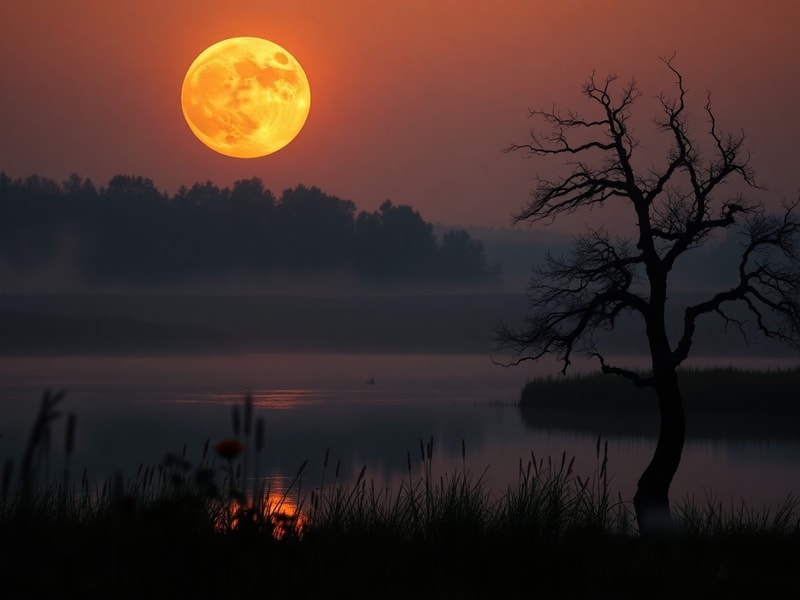
The moon’s low position on the horizon during this time of year contributes to its warm, golden glow. Known as the “moon illusion,” this optical effect makes the moon appear larger and more vibrant when it’s near the horizon, an experience that has fascinated observers for generations. For photographers and skywatchers, the Strawberry Moon offers a prime opportunity to capture stunning images, especially when paired with natural landscapes or urban silhouettes.
Visibility depends heavily on weather and geography. In regions with clear skies, the moon is unmistakable, dominating the night with its soft glow. However, in areas prone to early summer storms or persistent cloud cover, the Strawberry Moon may be harder to spot, adding a layer of unpredictability to the experience. This variability only deepens its mystique, making each sighting feel personal and fleeting.
Cultural Celebrations Around the World
The Strawberry Moon isn’t just observed—it’s celebrated. Across continents, communities have developed rituals and festivals to honor this celestial event, blending ancient traditions with modern interpretations. In North America, some Indigenous groups continue to hold ceremonies and storytelling sessions during the Strawberry Moon, passing down knowledge about the land and its cycles. These gatherings often include traditional foods like strawberry dishes, reinforcing the moon’s agricultural roots.
In Europe, the Strawberry Moon has inspired music, art, and literature. Medieval poems frequently referenced the “Rose Moon” as a symbol of beauty and transience, while folk festivals in countries like Sweden and Norway incorporated lunar observations into midsummer celebrations. Today, these traditions live on in local fairs and markets that celebrate the first harvests of summer, from strawberries to honey and fresh produce.
In Asia, the Strawberry Moon’s timing aligns with important religious and cultural events. In Japan, for example, the moon is celebrated during the Tsukimi festival, where families gather to view the moon, eat dango (sweet rice dumplings), and write poetry. Though not directly tied to the Strawberry Moon, the festival’s emphasis on lunar appreciation reflects a broader cultural reverence for celestial events.
Even in urban settings, the Strawberry Moon has found a place in modern culture. Cities like New York and Tokyo host rooftop parties and moon-gazing events, drawing crowds eager to connect with nature in bustling environments. These events often feature live music, food trucks, and guided astronomy talks, turning a natural phenomenon into a communal experience.
How to Experience the Strawberry Moon
Witnessing the Strawberry Moon doesn’t require expensive equipment or specialized knowledge. All you need is a clear night and a willingness to look up. Here are a few tips to make the most of the experience:
- Find the right location: Light pollution can diminish the moon’s brilliance, so consider heading to a park, beach, or rural area for the best view.
- Check the timing: Use an astronomy app or website to determine the exact time the moon rises in your area. In many places, it will appear largest and most colorful just after sunset.
- Bring companions: Sharing the moment with friends or family can enhance the experience, whether through conversation, photography, or simply quiet reflection.
- Document the moment: If you enjoy photography, experiment with different settings to capture the moon’s texture and color. A tripod can help stabilize your shots, especially in low light.
- Pair it with local traditions: Incorporate seasonal foods or activities into your observation. A picnic with fresh strawberries or a glass of wine can make the experience more immersive.
The Strawberry Moon is a reminder that the universe operates on cycles as old as humanity itself. Whether you view it through the lens of science, culture, or personal reflection, it offers a moment of connection to the rhythms of nature and the stories we tell about them.
A Lasting Legacy of Wonder
The Strawberry Moon’s appeal lies in its simplicity and universality. It doesn’t require a telescope to appreciate, nor does it demand an understanding of complex astronomical principles. Instead, it invites us to pause and consider our place in the natural world, much as our ancestors did centuries ago. In an age of digital distraction and rapid change, events like the Strawberry Moon provide a rare opportunity to slow down and engage with the tangible world.
As global temperatures rise and urbanization reshapes landscapes, the Strawberry Moon also serves as a gentle call to reconnect with the environment. It reminds us that even in the most developed societies, we are still subject to the whims of nature’s cycles. Whether through celebration, observation, or quiet appreciation, this celestial event offers something for everyone—be it a moment of cultural pride, scientific curiosity, or simply the joy of witnessing a beautiful night sky.
So when the next Strawberry Moon rises, take a moment to look up. You might just find that the simplest moments are the most profound.