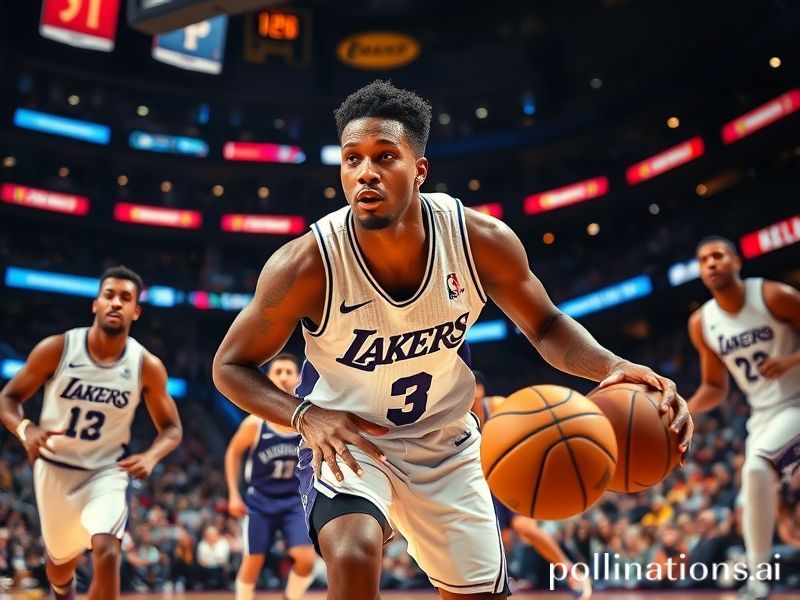
For NBA fans worldwide, the free agency period represents one of the most electrifying moments of the offseason. This is when franchises reshape their rosters, superstars choose new destinations, and championship dreams are either revived or dashed before the next season even begins. But when exactly does NBA free agency start? The answer isn’t as simple as checking a calendar—it’s governed by a complex set of league rules, collective bargaining agreements, and strategic timing that can shift from year to year.
The 2024 free agency period officially opened at 6:00 p.m. ET on June 30, marking the first moment teams could begin signing players without restrictions. This precise timing isn’t arbitrary; it’s a carefully structured part of the NBA’s calendar designed to balance competitive balance, financial planning, and fan engagement. But the lead-up to free agency often begins weeks—or even months—earlier, as teams maneuver behind the scenes through trades, contract negotiations, and player meetings.
Understanding when NBA free agency starts requires looking beyond the calendar date. It involves recognizing the NBA’s salary cap system, the role of restricted free agents, and how international players factor into the global market. For a league that has expanded its reach to Europe, Australia, and beyond, free agency isn’t just a domestic transaction—it’s a global chess match where cultural fit, financial incentives, and personal ambition collide.
The NBA Free Agency Timeline: From June 30 to July 6
The official start of NBA free agency is always June 30 at 6:00 p.m. ET, but the real action unfolds over the following six days. This is when teams can begin signing players, but the process is layered with restrictions and strategic decisions:
- June 30, 6:00 p.m. ET: Free agency officially begins. Players can begin signing contracts, but teams are limited in what they can offer based on their salary cap situation.
- July 1-6: The first week is dominated by signings, trades, and last-minute decisions. Many high-profile players finalize agreements during this period, often in private settings or through agents.
- July 6: Teams must finalize all roster moves to avoid penalties. This is the deadline for sign-and-trade agreements and the last day for players to officially join new teams before the league’s annual summer league begins.
This compressed timeline creates a high-pressure environment where decisions are made quickly, often under intense media scrutiny. For teams in major markets like Los Angeles, New York, or Miami, the free agency period is as much about spectacle as it is about basketball. Fans gather outside arenas, social media explodes with rumors, and sports networks dedicate hours of coverage to analyzing every move.
The global nature of the NBA means this frenzy isn’t limited to American fans. In countries like France, Serbia, or Australia, free agency can be a major topic of conversation, especially when local players like Victor Wembanyama or Josh Giddey become targets for teams. The NBA’s international reach has turned free agency into a worldwide event, with fans tracking every update as closely as they follow their domestic leagues.
How the Salary Cap Shapes Free Agency Decisions
The NBA’s salary cap system plays a pivotal role in determining when and how free agency unfolds. The cap is adjusted annually based on league revenue, and for the 2024-25 season, it was set at $141 million. This figure dictates how much teams can spend on player contracts, which in turn influences their free agency strategies.
Teams are divided into two categories based on their spending:
- Luxury Tax Teams: These teams, which spend above a designated “luxury tax” threshold, have more flexibility in free agency. They can offer larger contracts and absorb more salary in trades, making them prime players in the free agency market.
- Non-Tax Teams: These teams are constrained by the salary cap and must carefully manage their spending to avoid penalties. Their free agency options are often limited to mid-tier players or veterans on minimum contracts.
For teams like the Golden State Warriors or Los Angeles Clippers, the salary cap creates opportunities to assemble star-studded rosters by leveraging their financial flexibility. Meanwhile, teams like the San Antonio Spurs or Orlando Magic must rely on smart drafting and savvy trades to build competitive teams within the cap’s limits.
The salary cap also introduces a unique dynamic for restricted free agents—players with three or fewer years of experience who can negotiate with other teams but whose original teams have the right to match any offer. This rule often leads to tense standoffs, particularly when young stars like Paolo Banchero or Jalen Green become the center of bidding wars.
The Global Impact: How Free Agency Connects Cultures
The NBA’s globalization has transformed free agency from a purely American transaction into a cross-cultural exchange. Players from Europe, Africa, and Australia now command significant attention, and their decisions can have ripple effects across the league.
Consider the case of Victor Wembanyama, the 2023 No. 1 overall pick from France. His presence in San Antonio has already energized the franchise and drawn international fans to the team. When he becomes a free agent in 2026, the bidding for his services could involve teams from Europe and Asia, reflecting the NBA’s expanding global footprint.
Similarly, players like Giannis Antetokounmpo (Greece) and Nikola Jokić (Serbia) have become global ambassadors for the league, inspiring younger athletes overseas to pursue NBA careers. Their free agency decisions are watched not just in the U.S., but in their home countries, where basketball is often a unifying cultural force.
This global perspective also extends to the business side of free agency. Teams like the Toronto Raptors and Brooklyn Nets have invested in international scouting and player development, recognizing that talent can come from anywhere. The free agency period is where these investments pay off, as teams compete not just for players, but for cultural relevance in an increasingly diverse league.
What’s Next for NBA Free Agency?
As the NBA continues to grow, free agency will only become more complex and high-stakes. The league’s revenue-sharing model, international expansion, and player empowerment initiatives are reshaping how teams approach roster-building. For fans, this means more drama, more surprises, and more opportunities to engage with the game on a global scale.
Whether it’s LeBron James returning to a familiar franchise or a rising star from overseas choosing a new home, free agency remains the NBA’s most unpredictable and thrilling offseason event. And with the 2024 period now underway, the stage is set for another unforgettable chapter in the league’s ongoing story.
For the latest updates and in-depth analysis, follow Sports coverage on Dave’s Locker, where we break down every move, rumor, and decision shaping the NBA’s future.