The Fourth of July: A Global Celebration of American Independence
The Fourth of July, also known as Independence Day, is one of the most iconic holidays in the United States. It commemorates the adoption of the Declaration of Independence on July 4, 1776, when the original 13 American colonies declared freedom from British rule. While the holiday is deeply rooted in American history, its influence and celebrations have spread far beyond U.S. borders, creating a unique cultural phenomenon that resonates with people worldwide.
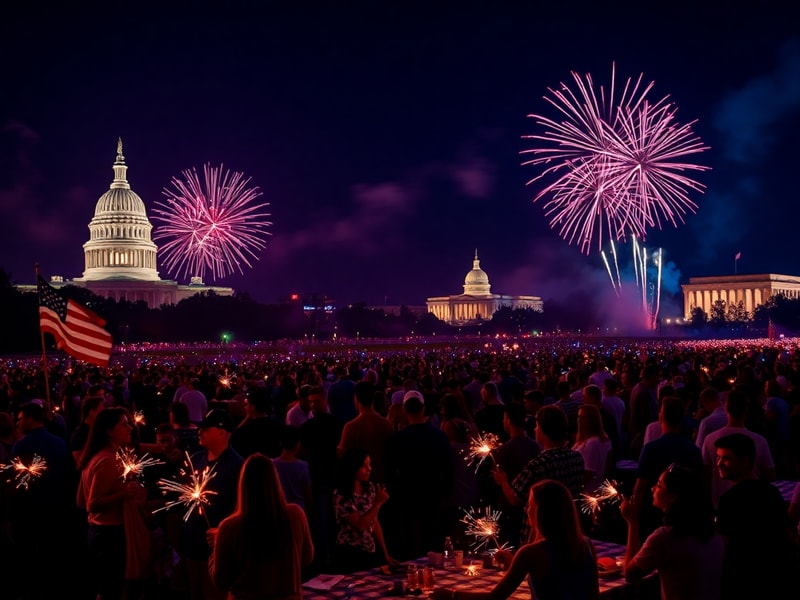
For many Americans, the Fourth of July is a day of patriotism, barbecues, and fireworks. Yet, its significance extends beyond the United States, reflecting themes of freedom, democracy, and national identity that are universally understood. From Tokyo to Toronto, communities with ties to America—or simply an appreciation for its ideals—mark the occasion in diverse ways. This global perspective reveals how a single national holiday can transcend borders and foster connections across cultures.
The Origins of Independence Day
The Fourth of July traces its origins to the turbulent years of the American Revolution. In 1775, war broke out between Great Britain and its 13 American colonies, which sought independence. The Continental Congress, a body representing the colonies, appointed a committee—including Thomas Jefferson, John Adams, and Benjamin Franklin—to draft a formal declaration of independence. Jefferson’s eloquent prose in the Declaration of Independence articulated the colonies’ grievances against King George III and proclaimed their right to self-governance.
The Continental Congress voted to adopt the Declaration on July 2, 1776, but the final version was approved and published two days later, on July 4. This date became the symbolic birth of the United States, even though the Revolutionary War would continue until 1783. Over time, the Fourth of July evolved from a political event into a national holiday, marked by parades, speeches, and fireworks that celebrated the country’s founding principles.
Interestingly, the Fourth of July was not an official federal holiday until 1870, nearly a century after the Declaration was signed. It wasn’t until 1941 that Congress designated it a paid holiday for federal employees. This relatively late recognition underscores how the holiday’s significance grew organically, shaped by generations of Americans who saw it as a day to honor their nation’s journey toward freedom.
How the Fourth of July is Celebrated Around the World
While the Fourth of July is a distinctly American holiday, its celebrations have found a place in countries across the globe. For expatriate communities, the day serves as a reminder of home, often featuring traditional foods like apple pie and barbecue, as well as patriotic music and decorations. In some cases, the holiday is embraced by locals who appreciate its themes of liberty and democracy.
Here are a few ways the Fourth of July is observed internationally:
- Canada: Canadian cities with large American expat populations, such as Toronto and Vancouver, host Fourth of July events, including concerts and fireworks. While Canadians have their own national holiday (Canada Day on July 1), they often join in the festivities to show solidarity with their southern neighbors.
- Mexico: In border towns like Tijuana and Ciudad Juárez, the Fourth of July is celebrated with a mix of American and Mexican traditions. Some restaurants offer special menus featuring both cuisines, and fireworks light up the night sky. The proximity to the U.S. makes these celebrations particularly vibrant.
- Japan: In Tokyo, the U.S. Embassy often hosts a Fourth of July party for diplomats and expats. While fireworks displays are less common, the event includes cultural performances and speeches that highlight the enduring friendship between the U.S. and Japan.
- United Kingdom: British cities with historic ties to America, such as Boston and Philadelphia, hold Fourth of July events. These gatherings often feature readings of the Declaration of Independence and tributes to the shared history between the two nations.
- Australia: In Sydney, American expats and locals alike gather for Fourth of July parties, complete with barbecues and live music. The celebrations reflect Australia’s multiculturalism and its appreciation for American culture, from Hollywood films to sports events.
These global observances highlight how the Fourth of July has become a bridge between cultures. Whether through shared foods, music, or ideals, the holiday fosters connections that transcend national boundaries.
The Fourth of July in Pop Culture and Media
The Fourth of July has long been a staple in American pop culture, appearing in films, television shows, and music as a symbol of summer, freedom, and nostalgia. Movies like Independence Day (1996) and Forrest Gump (1994) have cemented the holiday’s place in the cultural imagination, often portraying it as a time of unity and celebration. Meanwhile, television shows like The Simpsons and Parks and Recreation have used the Fourth of July as a backdrop for humorous and heartwarming stories.
Beyond film and TV, the holiday has inspired countless songs, from Lee Greenwood’s God Bless the U.S.A. to Bruce Springsteen’s Born in the U.S.A. These anthems, whether patriotic or critical, reflect the diverse ways Americans interpret their national identity. Globally, the Fourth of July has also influenced pop culture, appearing in international films and TV shows that explore American themes or feature American characters.
Social media has further amplified the holiday’s reach, with hashtags like #FourthOfJuly and #IndependenceDay trending worldwide. Users share photos of fireworks, barbecues, and family gatherings, creating a digital tapestry of global celebrations. This online engagement underscores how the Fourth of July has become a shared experience, even for those who live far from the United States.
The holiday’s presence in pop culture also raises questions about its evolving significance. In an era of globalization, does the Fourth of July still represent the same ideals it did in 1776? Or has it become a commercialized spectacle, detached from its historical roots? These debates add depth to the holiday, inviting reflection on what freedom and independence mean in the 21st century.
Why the Fourth of July Matters Beyond America
The Fourth of July is more than just a national holiday—it is a symbol of the universal human desire for freedom and self-determination. While the United States celebrates its own independence, the ideals embodied in the Declaration of Independence resonate with people around the world. From the fall of colonialism to the fight for civil rights, the struggle for liberty is a shared human experience.
In countries with histories of oppression or authoritarian rule, the Fourth of July serves as a reminder of the power of collective action. Protests, revolutions, and movements for democracy often draw inspiration from the American Revolution, seeing it as a model of how ordinary people can challenge unjust systems. This global perspective challenges the notion that the Fourth of July is solely an American holiday—it is a testament to the enduring human spirit.
At the same time, the holiday invites introspection. How do nations balance the pursuit of freedom with the responsibilities of governance? What does it mean to celebrate independence in a world where many still struggle for basic rights? These questions are particularly relevant today, as societies grapple with issues like inequality, climate change, and political polarization.
For many, the Fourth of July is a day to reflect on the past while looking toward the future. It is a time to honor the sacrifices of those who fought for independence, even as we acknowledge the work that remains to be done. Whether celebrated with fireworks, family gatherings, or quiet reflection, the holiday offers an opportunity to recommit to the ideals of liberty, justice, and equality.
A Holiday for the World
The Fourth of July is a uniquely American holiday, but its spirit transcends borders. From expat communities to global pop culture, the celebration of independence has become a shared experience, uniting people in their appreciation for freedom and democracy. As the world continues to change, the Fourth of July remains a powerful reminder of what humanity can achieve when it stands together.
Whether you’re grilling in your backyard, watching fireworks in Tokyo, or reflecting on the meaning of independence, the Fourth of July is a day to celebrate not just a nation, but an idea. And that idea—that all people are created equal and endowed with certain unalienable rights—is one that continues to inspire and challenge us all.