The Official 2026 FIFA World Cup Schedule Has Arrived—Here’s How to Watch
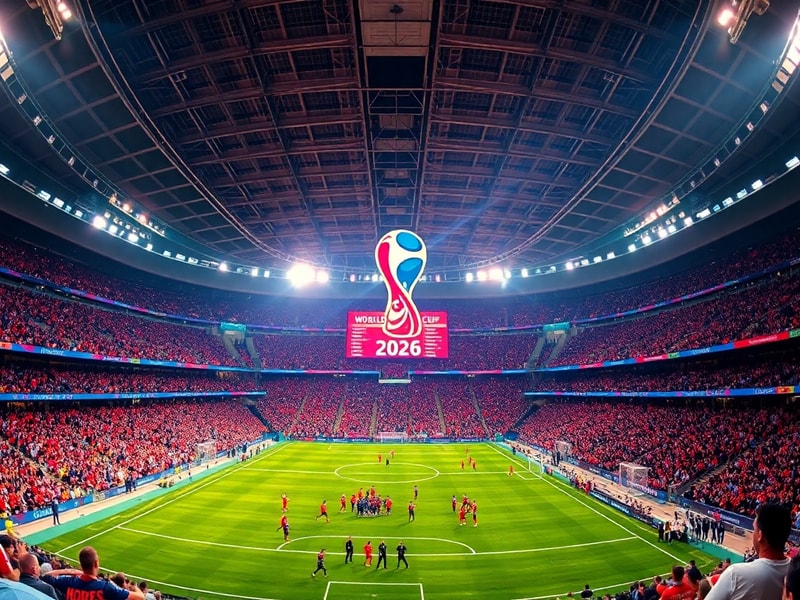
FIFA has released the full match schedule for the 2026 World Cup, a tournament that will span three countries and six weeks for the first time in history. The event, co-hosted by the United States, Canada, and Mexico, kicks off on June 11, 2026, with the final set for July 19. With 16 additional teams added to the field, the competition promises more matches, more drama, and more global attention than ever before.
The expanded format—48 teams instead of 32—means 104 total matches, nearly double the 64 played in 2022. This shift not only increases opportunities for underdog stories but also reshapes the logistics of broadcasting, stadium scheduling, and fan travel. Networks like Fox, Telemundo, and TSN have already secured rights, but the distribution of games across time zones will test even the most dedicated viewers.
Key Dates and Match Format
The tournament begins with a group stage of 12 groups, each containing four teams. The top two from each group advance, along with the best eight third-place finishers, creating a 32-team knockout round. This hybrid structure aims to balance inclusivity with competitive integrity, though it risks diluting the intensity of the group stage.
Below are the critical dates to mark on your calendar:
- June 11, 2026: Opening match in Mexico City
- June 12–July 2, 2026: Group stage matches
- July 4–13, 2026: Round of 32 and Round of 16
- July 15–18, 2026: Quarter-finals and Semi-finals
- July 19, 2026: Final at MetLife Stadium, New Jersey
The decision to host the final in the U.S. reflects FIFA’s emphasis on marketability, but it also places significant pressure on local infrastructure. With temperatures in July often exceeding 80°F, organizers are banking on air-conditioned stadiums and evening kickoffs to keep players and fans comfortable.
How the Expanded Format Changes the Game
The 2026 World Cup isn’t just a larger tournament—it’s a strategic experiment. By adding 16 teams, FIFA aims to grow the sport globally, particularly in regions like Africa, Asia, and North America. However, critics argue that the influx of weaker teams could water down the competition, making qualification easier but devaluing the knockout rounds.
Historically, the World Cup has thrived on unpredictability. The 2002 South Korea side, the 2010 Ghana team, and Iceland’s 2016 run all captured imaginations. With more slots available, nations like Jamaica, Haiti, or even the Philippines could write new histories. Yet the format also risks transforming the group stage into a series of dead rubber matches, where teams advance without fully testing themselves.
Another consideration is the strain on players. The expanded schedule means longer campaigns for clubs and national teams alike. Clubs like Manchester City and Bayern Munich have already expressed concerns about player fatigue, especially if World Cup windows clash with domestic leagues. FIFA’s response? A winter break proposal, though that would require rescheduling entire seasons.
Broadcasting and Fan Experience Challenges
The time-zone spread presents one of the biggest hurdles. Matches will be played across Pacific, Mountain, Central, and Eastern time zones, forcing networks to juggle primetime slots and late-night kickoffs. For U.S. viewers, this means some games start at 11 a.m. local time—ideal for families, but a nightmare for office workers trying to sneak in updates.
International broadcasters face even greater challenges. In Europe, where the Champions League dominates, finding airtime for afternoon matches could prove difficult. Meanwhile, in Asia, fans may need to wake up at 3 a.m. to catch live action. Streaming services like Dave’s Locker Sports could become essential for catching up on highlights or replays.
For traveling fans, the logistics are daunting. With games spread across 16 cities—from Vancouver to Atlanta to Monterrey—the average fan could spend more time in transit than watching matches. Host cities are ramping up transit options, but delays and overcrowding remain real risks. The U.S. has invested $5 billion in stadium upgrades and infrastructure, but will it be enough to avoid the chaos seen during the 2022 World Cup in Qatar?
What’s at Stake Beyond the Pitch
The 2026 World Cup is more than a sporting event; it’s a geopolitical and economic statement. For the U.S., hosting the final is a chance to cement its role as a global soccer leader, especially after the 2026 FIFA World Cup bid controversy. For Canada and Mexico, it’s an opportunity to showcase their growing soccer cultures and economic ties to the sport.
Corporate sponsors are already positioning themselves for maximum exposure. Companies like Visa, Adidas, and Budweiser have signed multi-million-dollar deals, betting on the tournament’s global reach. Yet the economic stakes extend beyond advertising. Host cities expect tourism booms, with projections of $5 billion in direct spending. But local businesses must navigate inflation and labor shortages to truly benefit.
The environmental impact is another concern. Despite FIFA’s pledge to host a “carbon-neutral” World Cup, critics point to the carbon footprint of international travel and stadium construction. The U.S. has promised renewable energy solutions, but skepticism lingers. Will 2026 finally set a new standard for sustainability, or will it repeat the oversights of past tournaments?
Socially, the World Cup remains a unifying force. For many nations, the tournament is a rare moment of national pride. For fans, it’s a chance to celebrate diversity and shared passion. Yet the event also amplifies issues like human rights and worker safety, especially in host nations where labor laws may be lax. Activist groups are already calling for transparency, urging FIFA to address past controversies.
How to Prepare for the Biggest World Cup Ever
Whether you’re a die-hard fan or a casual observer, the 2026 World Cup demands a strategy. With matches spread across multiple platforms and time zones, planning ahead is crucial. Here’s how to stay ahead:
- Map out your viewing schedule: Use FIFA’s official app or Dave’s Locker Sports to track fixtures by time zone. Set reminders for marquee matches.
- Secure your travel early: Flights and hotels in host cities will sell out fast. Consider flexible dates to avoid peak prices.
- Engage with fan communities: Social media platforms and local fan clubs will be buzzing with predictions, memes, and watch parties.
- Follow the underdogs: With 48 teams, the tournament is ripe for Cinderella stories. Keep an eye on debut nations and dark horses.
- Plan for delays: Allow extra time for transit and stadium entry. Security checks and crowd control could slow things down.
The 2026 World Cup is poised to be a landmark event, blending tradition with innovation. For the first time, the tournament will truly feel global, with matches in North America’s largest cities and smaller venues alike. Yet the real story may lie off the pitch—in the economic bets, the cultural clashes, and the environmental trade-offs.
As fans, our role is to celebrate the sport while holding organizers accountable. The World Cup has the power to inspire, but it also reflects the world’s inequalities. By staying informed and engaged, we can ensure that the 2026 edition leaves a legacy beyond the scoreboard.