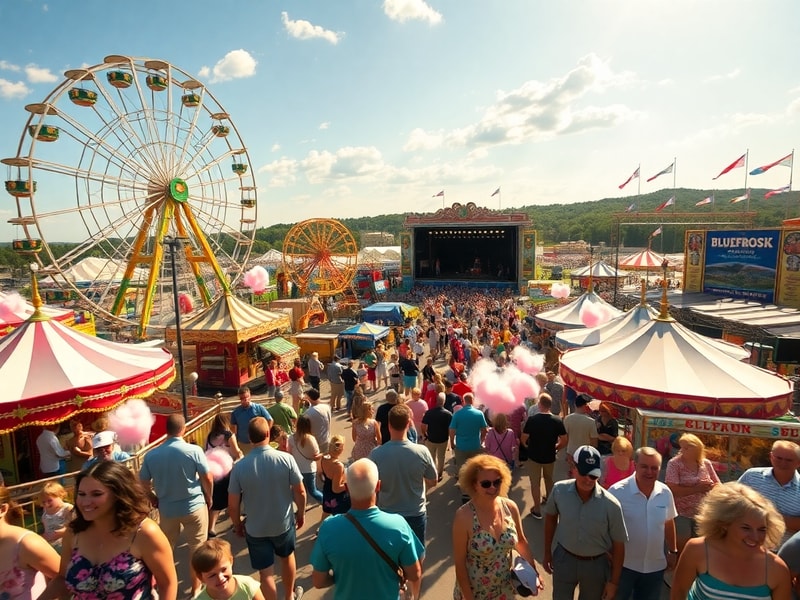
What Makes the State Fair the Heartbeat of Rural America
Every summer, millions of Americans flock to state fairs, not just for the rides or fried food, but for the sense of community they provide. These events stretch back to the 19th century, when agricultural societies first gathered to showcase livestock, crops, and homemade goods. Today, state fairs remain a vital tradition, blending competition, entertainment, and nostalgia into a multi-day celebration of rural culture.
The Minnesota State Fair, for example, draws over two million visitors each year. Its iconic foods—like the Juicy Lucys and Pronto Pups—have become as much a part of the fair’s identity as the blue-ribbon livestock in the barns. While urbanization has changed the way people connect with agriculture, state fairs preserve that link by putting farming front and center. They remind visitors where their food comes from, even as they indulge in indulgent fair treats.
The Tradition of Competition and Craftsmanship
At the core of every state fair is the competitive spirit, where farmers, bakers, and artisans vie for top honors. Judging categories range from the finest butter sculptures to the most meticulously embroidered quilts. The Iowa State Fair’s butter cow, sculpted entirely from butter, has become a legendary attraction, drawing crowds since 1911. Such displays aren’t just whimsical; they highlight the skill and dedication behind rural crafts.
Competitions also extend beyond agriculture. The Texas State Fair, for instance, features a strongman competition where athletes lift, pull, and carry massive objects in front of cheering crowds. These events celebrate physical prowess just as much as agricultural excellence. Meanwhile, the Kentucky State Fair hosts a hot sauce competition, where sauce-makers from across the country bring their spiciest creations to be judged. Whether it’s preserving heirloom tomatoes or perfecting a chili recipe, state fairs honor the artistry of everyday life.
The Culinary Extravaganza That Defines the Fair Experience
No state fair is complete without its food vendors. The deep-fried Twinkie, the bacon-wrapped deep-fried macaroni and cheese ball, and the deep-fried pizza pocket—these are the kind of dishes that define modern fair culture. The Oklahoma State Fair once served a 64-ounce fried onion burger, a monstrosity of grease and flavor that became an instant legend. While purists might argue that state fairs should focus on agriculture, the food itself has become a tradition worth celebrating.
But it’s not all about indulgence. Many fairs now incorporate farm-to-table concepts, partnering with local producers to offer fresh, seasonal dishes. The Wisconsin State Fair, for example, features a cheese curd-eating contest alongside a farm-to-table dinner where chefs highlight cheese from local creameries. This balance between guilty pleasures and genuine farm-fresh options reflects the evolving tastes of fairgoers.
For those looking to explore beyond the deep fryer, many state fairs now include international food courts. The New York State Fair offers everything from Belgian waffles to Vietnamese pho, catering to diverse palates. Whether you’re craving something nostalgic or adventurous, the fair’s food lineup delivers.
The Entertainment Spectrum: From Bluegrass to Big Rigs
State fairs are a microcosm of American entertainment, offering something for every taste. The Grandstand at the Nebraska State Fair has hosted legends like Johnny Cash and Willie Nelson, while smaller stages feature local bluegrass bands and cover acts. Meanwhile, the Minnesota State Fair’s free entertainment lineup includes everything from Celtic rock to polka bands, ensuring there’s never a dull moment.
Beyond music, fairs often include carnival rides, demolition derbies, and even tractor pulls. The All-American Soap Box Derby at the Ohio State Fair lets kids race homemade cars down a hill, fostering creativity and competition. On the opposite end of the spectrum, the National Tractor Pulling Championships—held at some state fairs—feature modified tractors pulling massive weights at high speeds. It’s a spectacle of raw power and engineering prowess.
For families, state fairs provide affordable entertainment. The cost of admission is often minimal, and many fairs offer discounts for children and seniors. The Illinois State Fair, for example, charges just $10 for adults, with kids under 12 entering for free. This accessibility makes state fairs a rare space where generations can gather without breaking the bank.
Why State Fairs Still Matter in the Digital Age
In an era dominated by screens and instant gratification, state fairs offer a tangible, tactile experience. There’s something inherently satisfying about biting into a perfectly fried pork chop sandwich while watching a pig race down a track. These moments create memories that smartphones can’t replicate. The tactile joy of petting a baby goat or the thrill of winning a stuffed animal at a carnival game can’t be replaced by a virtual simulation.
State fairs also serve as economic engines for their host communities. The North Carolina State Fair, for example, generates over $200 million in economic impact annually, supporting local businesses and vendors. From food trucks to souvenir shops, fairgoers pump money into the local economy. Even the construction of fairgrounds creates jobs, making these events a year-round economic driver.
Moreover, state fairs foster civic pride. They give small towns a chance to shine, showcasing their unique culture and traditions. The Alaska State Fair, held in Palmer, features the world’s largest cabbage (a record 138 pounds in 2023) and draws visitors from across the globe. Events like these put smaller communities on the map, reinforcing their place in the broader cultural landscape.
Making the Most of Your State Fair Visit
With so much to see and do, planning ahead is key to enjoying a state fair. Here’s a quick checklist to ensure you don’t miss the highlights:
- Check the fair’s schedule for special events, like livestock auctions or concerts.
- Bring comfortable shoes—you’ll be walking (and eating) for miles.
- Talk to the exhibitors. Many are happy to share stories about their crafts or livestock.
- Take breaks. With so much stimulation, it’s easy to get overwhelmed.
li>Set a budget for food and souvenirs to avoid overspending.
For those new to state fair culture, consider starting with a smaller, regional fair. The Indiana State Fair, for example, offers a more laid-back atmosphere than mega-events like Texas or Minnesota. These smaller fairs often have a stronger emphasis on local talent and traditions, making them ideal for first-timers.
Beyond the Ferris Wheel: The Lasting Legacy of State Fairs
State fairs are more than just annual spectacles; they’re living museums of American culture. They preserve traditions, celebrate craftsmanship, and bring communities together in ways that few other events can. Whether you’re there for the food, the competitions, or the sheer nostalgia, a state fair visit is a rite of passage for many Americans.
As society becomes increasingly digital, the value of these in-person gatherings only grows. State fairs remind us of the joy of simple pleasures: the crunch of a fresh caramel apple, the roar of a crowd at a demolition derby, the quiet pride of a child holding a blue ribbon. They’re a testament to the enduring appeal of community, competition, and—of course—deep-fried everything.
So next time summer rolls around, skip the theme park and head to your nearest state fair. You might just leave with more than just a stuffed animal—you could leave with a deeper appreciation for the traditions that shape rural America.