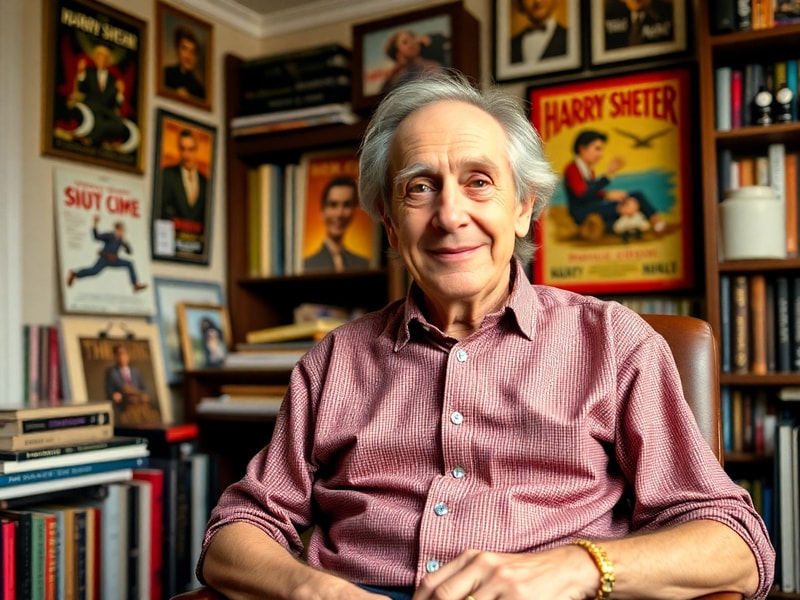
The Man Behind the Voices: Harry Shearer’s Enduring Legacy in Comedy and Music
Harry Shearer isn’t just a voice actor—he’s a cultural architect whose work has shaped generations of comedy and music. From his razor-sharp wit on Saturday Night Live to his decades-long stewardship of The Simpsons, Shearer’s career spans multiple mediums while maintaining an unmistakable voice—both literally and figuratively. His contributions extend beyond entertainment, influencing how audiences engage with satire, music, and even the business of creativity.
What makes Shearer’s career so compelling isn’t just his versatility but his refusal to be pigeonholed. Unlike many performers who specialize in one craft, he has thrived as a comedian, musician, actor, writer, and director. This multifaceted approach hasn’t just kept him relevant; it has redefined what it means to have a lasting career in the entertainment industry.
From Harvard to Hollywood: The Early Years of a Multidisciplinary Artist
Shearer’s journey began far from the spotlight. Born in 1943 in Los Angeles, he grew up in a family that valued education and creativity. His early exposure to music came through piano lessons, but it was comedy that truly captured his imagination. By his teens, he was performing in local theater and writing sketches, honing a style that blended intellectual humor with accessibility.
His academic pursuits at Harvard University further refined his comedic sensibilities. While studying English, Shearer contributed to the school’s humor magazine, The Harvard Lampoon, where he developed a knack for parody and satire. This period laid the groundwork for his later work, proving that his talents weren’t confined to performance alone. By the time he graduated, Shearer was already thinking like a writer—a skill that would define his most iconic roles.
His transition to professional comedy was seamless. In the late 1960s, he joined forces with other Harvard alumni to form the comedy group The Credibility Gap, which performed satirical sketches on Los Angeles radio. The show’s blend of topical humor and musical interludes foreshadowed Shearer’s future collaborations, including his work with Spinal Tap. This early experimentation with form and content established Shearer as a pioneer of alternative comedy, long before the genre became mainstream.
The Simpsons and the Reinvention of Voice Acting
No discussion of Harry Shearer’s career would be complete without acknowledging his role in The Simpsons. Since the show’s debut in 1989, Shearer has voiced some of its most memorable characters, including Mr. Burns, Ned Flanders, and Principal Skinner. His ability to craft distinct, layered performances from a single voice booth redefined what voice acting could achieve.
Shearer’s approach to these characters was methodical. For Mr. Burns, he drew inspiration from classic radio actors like Lionel Barrymore, infusing the character with a mix of aristocratic arrogance and frail vulnerability. Ned Flanders, by contrast, required a softer, more earnest tone, showcasing Shearer’s range as both a comedian and a dramatic actor. This versatility allowed him to elevate the show’s humor while giving its animated world emotional depth.
Beyond his vocal performances, Shearer’s influence extended to the show’s creative process. He co-wrote several episodes and was a vocal advocate for maintaining the series’ satirical edge. In interviews, he has often criticized the show’s later seasons for prioritizing gimmicks over substance—a stance that resonates with fans who value The Simpsons as a vehicle for sharp social commentary. His commitment to quality over quantity underscores his broader philosophy: that art should challenge as much as it entertains.
Music, Film, and the Business of Staying Relevant
Shearer’s career isn’t just a collection of roles—it’s a testament to adaptability in an industry that often rewards specialization. Alongside his acting and comedy, he has built a substantial body of work in music. As the bassist and co-lead vocalist for the mockumentary band Spinal Tap, he helped create one of the most enduring parodies in rock history. The band’s 1984 album This Is Spinal Tap became a cult classic, celebrated for its deadpan humor and surprisingly authentic sound.
Shearer’s musical talents aren’t confined to comedy, either. He has performed with jazz and classical ensembles, demonstrating a technical proficiency that belies his comedic reputation. This duality speaks to his belief in the interconnectedness of art forms. In a 2018 interview, he noted, “Music and comedy both rely on rhythm and timing. The difference is in the delivery—one makes you laugh, the other makes you feel.” This perspective highlights his ability to transcend genres without losing his core identity.
His film work further illustrates his refusal to be typecast. From dramatic roles in Godzilla (1998) to voice work in animated features like The Princess Bride (1987), Shearer has consistently chosen projects that challenge audiences. Even his foray into documentary filmmaking—most notably The Big Uneasy (2010), which examines the causes of Hurricane Katrina—showed his commitment to using his platform for meaningful storytelling.
Legacy and Lessons: What Harry Shearer Teaches Us About Longevity
Harry Shearer’s career offers more than just entertainment—it provides a blueprint for longevity in the arts. In an era where digital platforms reward fleeting trends, his ability to evolve while staying true to his craft is instructive. Here are a few key takeaways from his journey:
- Embrace versatility. Shearer’s success stems from his refusal to limit himself to one discipline. Whether it’s comedy, music, or writing, his willingness to explore different art forms has kept his work fresh and his audience engaged.
- Prioritize substance over spectacle. His critiques of The Simpsons’ later seasons reveal a commitment to quality that’s rare in today’s entertainment landscape. Shearer understands that lasting art requires depth, not just shock value.
- Use humor as a tool, not just an end. Whether through Spinal Tap or SNL, Shearer has shown that comedy can be a vehicle for social commentary, not just laughter. This approach elevates his work beyond mere entertainment.
- Stay adaptable. From radio to streaming, Shearer has navigated multiple mediums with ease. His ability to pivot—whether to podcasting or documentary filmmaking—demonstrates an agility that’s essential in a rapidly changing industry.
Shearer’s career also raises important questions about the future of creative work. In an industry increasingly dominated by algorithms and viral content, his model of slow, deliberate artistry feels countercultural. Yet it’s precisely this approach that has allowed him to build a legacy that transcends generations. His work reminds us that true innovation often comes from those who are willing to defy expectations—and to do so consistently.
For aspiring artists, Shearer’s career is a masterclass in reinvention. It’s a reminder that success isn’t about finding a single niche but about exploring the intersections between different disciplines. His ability to seamlessly transition from comedy to music to film suggests that the most enduring careers are built on curiosity, not just talent.
A Lasting Impact on Comedy and Beyond
As Harry Shearer continues to work—whether voicing characters, composing music, or commenting on the state of entertainment—his influence remains undeniable. He belongs to a rare pantheon of artists who have shaped not just their own careers but the cultural landscape itself. From the satire of SNL to the absurdity of Spinal Tap, his work has left an indelible mark on comedy.
Yet perhaps his most enduring contribution is his insistence on integrity. In an industry where trends come and go, Shearer has consistently prioritized quality and authenticity. His willingness to critique even his own successes—like his candid assessments of The Simpsons’ later seasons—demonstrates a rare self-awareness. This honesty is what makes his work resonate with audiences across generations.
For fans of comedy, music, or simply great storytelling, Harry Shearer’s career is a testament to the power of staying true to one’s craft. It’s a reminder that the most lasting art isn’t created in a vacuum but through a lifelong commitment to exploration and excellence.
To explore more about the intersection of comedy and culture, visit our Entertainment category. For deeper analysis on the evolution of satire in media, check out our Culture section.