The Global Racing Phenomenon of Mario Kart: How Nintendo’s Classic Became a Worldwide Obsession
Few video games have achieved the kind of universal recognition as Mario Kart. Since its debut in 1992 on the Super Nintendo, the franchise has grown from a simple spin-off into a cultural touchstone that transcends borders, languages, and generations. What began as a family-friendly racer has become a global institution, played by millions from Tokyo arcades to Buenos Aires cafés, and streamed by thousands more on platforms like Twitch. Its enduring appeal lies in its accessibility—anyone, regardless of skill level, can pick up a controller and have fun—but its lasting success is rooted in something deeper: a sense of community and shared experience that few games can replicate.
The numbers alone tell a compelling story. As of 2024, the Mario Kart series has sold over 200 million copies worldwide, making it one of Nintendo’s most lucrative franchises. The latest entry, Mario Kart 8 Deluxe, has spent over 250 weeks in the top ten of the Nintendo Switch sales charts—an unheard-of feat for any game, let alone one that’s nearly three decades old. But sales figures only scratch the surface. The real magic of Mario Kart lives in its ability to bring people together, whether through local multiplayer sessions that turn living rooms into battlegrounds or online races that connect strangers across continents in real time.
What makes Mario Kart so uniquely powerful is its universality. The game’s bright colors, simple mechanics, and beloved characters appeal to children and adults alike. It’s a rare title that parents and kids can enjoy together, blurring generational lines in a way few other games manage. In Japan, Mario Kart arcades are social hubs, where groups gather around machines to compete in high-stakes races. In Brazil, local tournaments draw crowds that rival those of football matches, complete with commentators and fan chants. Even in countries where Nintendo’s presence is smaller, like South Africa or Poland, dedicated communities organize events, share replays, and debate the best strategies online.
This global embrace of Mario Kart isn’t just about nostalgia. While longtime fans celebrate the series’ evolution, newcomers are drawn in by its polished gameplay and infectious energy. The game’s mechanics—drifting, item usage, and track memorization—are easy to grasp but difficult to master, offering a satisfying challenge that keeps players engaged. It’s a formula that has remained remarkably consistent over the years, even as graphics and online features have advanced.
The Evolution of a Legend: From SNES to Switch
The first Super Mario Kart was groundbreaking for its time. Released in 1992, it introduced split-screen multiplayer to consoles, a feature that was revolutionary in an era when most games were single-player experiences. The game’s pseudo-3D tracks and item-based gameplay set the template for every racing game that followed. It wasn’t just a hit in Japan and North America; it became a flagship title for the SNES in Europe, where it helped establish Nintendo as a dominant force in gaming.
Each subsequent installment refined the formula. Mario Kart 64 brought 3D graphics and four-player split-screen, while Mario Kart: Double Dash!! experimented with two-character karts and unique items. The series took a bold turn with Mario Kart DS, which introduced online multiplayer through Nintendo’s Wi-Fi Connection—a feature that expanded the game’s reach globally. By the time Mario Kart 8 launched in 2014, the series had fully embraced modern expectations: HD visuals, a sprawling roster of characters, and a robust online mode that allowed players to race anytime, anywhere.
But it was Mario Kart 8 Deluxe, released in 2017 as an enhanced version of the Wii U original, that truly cemented the franchise’s place in the modern gaming landscape. The Switch version added new tracks, characters, and a battle mode that revitalized the classic multiplayer experience. Its success wasn’t just critical—it was cultural. During the COVID-19 pandemic, Mario Kart 8 Deluxe became a lifeline for families and friends separated by lockdowns. Sales surged as people turned to gaming for connection, and Nintendo’s servers struggled to keep up with the demand for online races. The game’s popularity even led to real-world events, like virtual charity races and esports tournaments with professional players.
The series’ evolution reflects broader trends in gaming. Where early entries were limited by hardware, later versions leveraged online connectivity to create persistent communities. Today, Mario Kart is as much about the people you play with as the game itself. Whether it’s a group of friends racing after school or a Twitch streamer building a following around high-level play, the game’s social dimension is its greatest strength.
More Than Just a Game: The Cultural Impact of Mario Kart
Mario Kart isn’t just a game—it’s a social catalyst. In many ways, it functions like a modern-day board game, bringing people together in shared, often chaotic, experiences. The items in the game—banana peels, green shells, and the infamous Blue Shell—aren’t just obstacles; they’re tools for storytelling. A well-timed red shell can turn a comfortable lead into a humiliating defeat, sparking laughter or groans that echo through a room. These moments of triumph and disaster are what make Mario Kart memorable, turning casual play into a shared narrative.
The game’s influence extends beyond living rooms and arcades. It has permeated pop culture in subtle but meaningful ways. References to Mario Kart appear in movies, TV shows, and even political commentary. During the 2020 U.S. presidential election, a viral meme compared the chaotic nature of the race to the unpredictable outcome of the campaign. The game’s aesthetic—bright, bold, and slightly surreal—has inspired countless fan artworks, cosplay, and even fashion collaborations. In Japan, Mario Kart-themed cafés and merchandise stores draw tourists eager to immerse themselves in the game’s world.
Its impact is also economic. Local businesses around the world have capitalized on the game’s popularity. In Berlin, a dedicated Mario Kart bar hosts tournaments with custom cabinets and themed drinks. In Los Angeles, an esports team formed around the game, competing in tournaments for cash prizes. Even Nintendo itself has leaned into the phenomenon, partnering with brands like McDonald’s for promotional events and releasing limited-edition Switch consoles adorned with Mario Kart artwork.
But perhaps the most significant aspect of Mario Kart’s cultural footprint is its role as a bridge between generations. Parents who grew up playing the game now introduce it to their children, creating a cycle of shared nostalgia. This intergenerational appeal is rare in gaming, where many franchises struggle to retain older fans while attracting new ones. Mario Kart manages both effortlessly, thanks to its timeless design and universal themes of competition and fun.
Why Mario Kart Endures: The Secret to Its Longevity
So what’s the secret behind Mario Kart’s enduring success? The answer lies in a combination of accessibility, adaptability, and heart. The game is designed to be easy to pick up but hard to put down. Its controls are intuitive, its rules straightforward, and its rewards immediate. Whether you’re a child racing for the first time or a veteran player mastering advanced techniques like snaking (a controversial but effective drifting strategy), there’s always a sense of progression.
Another key factor is Nintendo’s commitment to keeping the series fresh without alienating its fanbase. Each new entry introduces subtle refinements—new characters, tracks, and items—while preserving the core experience. The developers at Nintendo EPD have mastered the art of iterative design, balancing innovation with familiarity. Even the most drastic changes, like the anti-gravity sections in Mario Kart 8, feel like natural evolutions rather than gimmicks.
But perhaps the most important ingredient is the game’s ability to foster connection. In an era where gaming is often criticized for isolating players, Mario Kart does the opposite. It brings people together, whether in person or online. The game’s online communities are remarkably welcoming, with players of all skill levels sharing tips, celebrating victories, and commiserating over unfair item drops. For many, Mario Kart is more than a game—it’s a social network, a way to stay in touch with friends, and a shared hobby that spans continents.
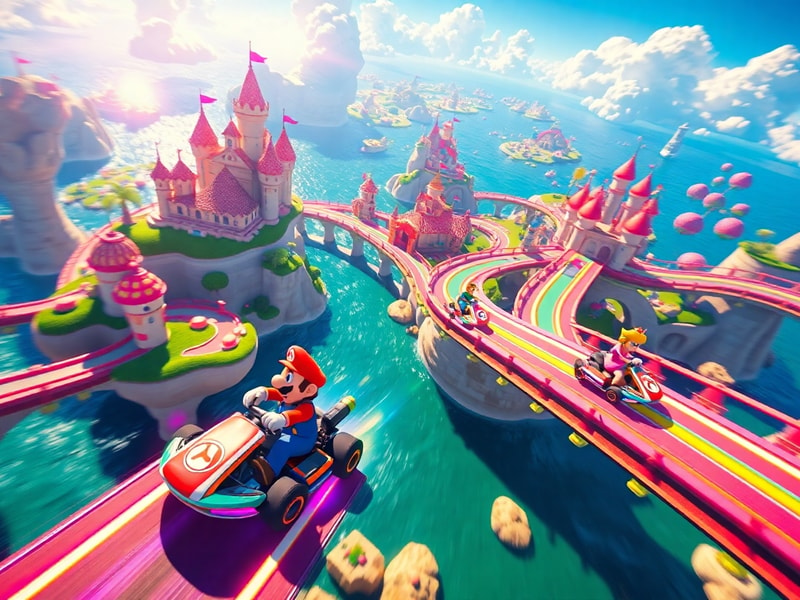
The game also benefits from Nintendo’s strong brand identity. Mario himself is one of the most recognizable characters in the world, and his kart-racing spin-off benefits from that instant recognition. The colorful cast of characters—from Bowser to Princess Peach—adds variety and charm, ensuring there’s something for everyone. Even players who aren’t fans of Mario’s platforming games find themselves drawn into the world of Mario Kart because of its inclusive, lighthearted tone.
Looking ahead, the future of Mario Kart seems bright. Rumors of a new entry have circulated for years, and Nintendo has shown no signs of slowing down. With the success of the Switch and its upcoming successor, the stage is set for another chapter in the franchise’s storied history. Whether it’s through new tracks, characters, or gameplay mechanics, one thing is certain: Mario Kart will continue to bring people together, one race at a time.
How to Join the Mario Kart Community
If you’re new to Mario Kart or looking to dive deeper into its world, there are countless ways to get involved. Here’s a quick guide to help you find your place in the community:
- Play locally: Gather friends or family for a multiplayer session. The best way to experience Mario Kart is with others, and local play offers the most immediate, tactile thrill.
- Join online races: Mario Kart 8 Deluxe’s online mode is a fantastic way to test your skills against players worldwide. Start with casual races to get a feel for the tracks and items before diving into ranked matches.
- Watch and learn: Twitch and YouTube are filled with Mario Kart content creators who share strategies, highlight reels, and funny moments. Channels like Gaming on Dave’s Locker often feature community tournaments and guides.
- Attend events: Many gaming stores and conventions host Mario Kart tournaments. These events are great for meeting fellow fans and competing in a structured environment.
- Customize your experience: The Mario Kart community is known for its creativity. From custom track designs to fan-made mods, there’s no shortage of ways to personalize your gameplay.
No matter how you choose to play, Mario Kart offers something for everyone. It’s a game that celebrates fun above all else, a rare quality in an industry often obsessed with competition and complexity. In a world where gaming can sometimes feel isolating, Mario Kart reminds us of the joy of shared experiences—and that’s a legacy worth celebrating.