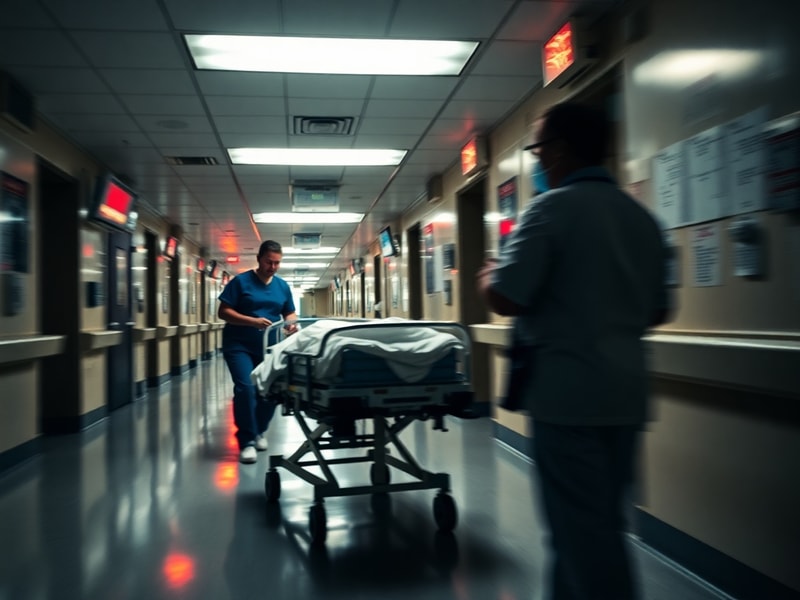
Emergency departments (EDs) serve as the frontline of healthcare systems worldwide, often operating 24/7 to handle life-threatening situations, acute illnesses, and traumatic injuries. These critical units act as safety nets for communities, providing immediate care when every second counts. Yet, their role extends far beyond emergency response—EDs also function as diagnostic hubs, overflow valves for overburdened healthcare systems, and sometimes the only accessible medical resource for vulnerable populations.
The challenges facing emergency departments are as diverse as the patients they treat. From staffing shortages and overcrowding to rising costs and bureaucratic hurdles, EDs around the globe are grappling with systemic issues that threaten their ability to deliver timely, high-quality care. The COVID-19 pandemic further exposed these vulnerabilities, forcing EDs to adapt rapidly while shouldering an unprecedented burden.
How Emergency Departments Operate Around the World
Emergency care systems vary significantly by country, shaped by cultural norms, economic resources, and healthcare policies. In the United States, EDs are often the primary point of care for uninsured patients, leading to long wait times and overutilization. A 2023 study found that U.S. emergency departments handle over 130 million visits annually, with nearly half of those patients arriving without a life-threatening condition. This dynamic has fueled debates about healthcare accessibility and the need for better primary care alternatives.
In contrast, countries like the United Kingdom rely on the National Health Service (NHS), where emergency departments are part of a publicly funded system. While this model ensures universal access, it has also contributed to chronic overcrowding, particularly in urban areas. The NHS reports that over 80% of its EDs frequently exceed their capacity, leading to delayed care and patient dissatisfaction. Meanwhile, in Germany, emergency departments operate under a dual system—publicly funded hospitals coexist with private clinics, creating a tiered approach to emergency care.
Some nations have taken innovative steps to improve emergency response. In Japan, emergency departments are integrated with local fire departments, ensuring rapid ambulance dispatch and coordinated care. Australia’s “Retrieval Medicine” model uses specialized air ambulances to serve remote communities, bridging the gap in rural healthcare access. These examples highlight how different cultures and geographies adapt emergency care to meet local needs.
The Pressures Shaping Modern Emergency Departments
The demands on emergency departments have never been higher. According to the World Health Organization (WHO), global emergency care needs are rising due to aging populations, chronic disease prevalence, and the lingering effects of the pandemic. In low- and middle-income countries, EDs face additional hurdles, including limited resources, inadequate infrastructure, and a shortage of trained personnel. The WHO estimates that half the world’s population lacks access to essential emergency care services.
One of the most pressing issues is overcrowding, which leads to longer wait times, increased mortality rates, and clinician burnout. A 2022 report from the American College of Emergency Physicians (ACEP) found that overcrowding in U.S. EDs costs the healthcare system an estimated $17 billion annually in lost productivity and extended hospital stays. Overcrowding also strains relationships between ED staff and patients, as frustration grows when delays become the norm.
Another critical challenge is the global shortage of emergency physicians. Many countries face a deficit of specialists trained in emergency medicine, forcing general practitioners or even nurses to fill gaps. In sub-Saharan Africa, for example, only a handful of nations have formal emergency medicine training programs. This shortage not only affects patient outcomes but also exacerbates health disparities between wealthy and impoverished regions.
The financial strain on emergency departments cannot be overlooked. In the U.S., hospitals often lose money on ED services due to uninsured patients or undercompensated Medicare/Medicaid reimbursements. Meanwhile, in countries with socialized healthcare, governments struggle to allocate sufficient funding to meet growing demand. These economic pressures force EDs to make difficult choices about resource allocation, staffing, and the types of care they can provide.
Cultural and Social Factors Influencing Emergency Care
Beyond systemic challenges, cultural attitudes toward healthcare play a significant role in how emergency departments function. In some societies, seeking emergency care is seen as a last resort, leading to delayed treatment and worse outcomes. A study published in The Lancet found that in parts of South Asia, patients often rely on traditional healers or local pharmacies before visiting an ED, delaying critical interventions.
Conversely, countries with strong healthcare literacy, such as Sweden and Canada, report higher rates of early ED visits for non-emergent conditions. This trend reflects a cultural emphasis on preventive care and public trust in the healthcare system. However, it also contributes to ED overuse, as patients with minor ailments seek care in high-cost emergency settings.
Language barriers and immigration status further complicate emergency care delivery. In the U.S., undocumented immigrants often avoid EDs due to fear of deportation, leading to untreated conditions that escalate into emergencies. Similarly, in Europe, migrant populations face discrimination and inadequate translation services, hindering their access to timely care. These issues underscore the need for culturally competent healthcare policies.
Religious and social norms also influence emergency care. In some Middle Eastern countries, gender segregation in hospitals delays treatment for women, particularly in emergency situations. In East Asia, filial piety often drives adult children to bring elderly parents to the ED for minor complaints, straining resources. These cultural nuances highlight the importance of tailoring emergency care systems to local values and beliefs.
Innovations and the Future of Emergency Departments
Despite the challenges, emergency departments are evolving through technology, policy changes, and creative solutions. Telemedicine, for instance, has become a game-changer in remote areas, allowing EDs to consult specialists without delays. In rural Alaska, the “Alaska Native Tribal Health Consortium” uses telemedicine to connect patients with emergency physicians, reducing transfer times for critical cases.
Artificial intelligence (AI) is another tool gaining traction in EDs. Hospitals are deploying AI-powered triage systems to prioritize patients based on severity, reducing wait times for life-threatening cases. In Singapore, the “Smart ED” initiative uses predictive analytics to forecast patient influxes, enabling better staffing and resource allocation. These innovations not only improve efficiency but also enhance patient outcomes.
Policy reforms are also reshaping emergency care. In the UK, the NHS has introduced “Same Day Emergency Care” (SDEC) units, which divert low-acuity patients to specialized clinics, freeing up ED beds. Similarly, Australia’s “Healthdirect” service provides 24/7 nurse triage lines, reducing unnecessary ED visits. These models demonstrate how proactive policies can alleviate pressure on emergency departments.
Looking ahead, the future of emergency care will likely hinge on collaboration. Public-private partnerships, international aid programs, and cross-border knowledge sharing could help bridge gaps in resource-limited regions. For example, the “Global Emergency Medicine Academy” trains physicians from low-income countries in advanced emergency techniques, fostering a global network of skilled providers.
The COVID-19 pandemic proved that emergency departments are resilient, adaptable, and indispensable. As healthcare systems continue to evolve, EDs must remain at the forefront of innovation, ensuring they can meet the needs of diverse populations. Whether through technology, policy, or cultural adaptation, the goal remains the same: to provide swift, equitable, and high-quality emergency care for all.