NBA YoungBoy’s recent interview conducted in South Korea has become a focal point for global hip-hop fans seeking deeper insight into the rapper’s personal evolution and artistic direction. The sit-down, which took place in Seoul, offered a rare glimpse into the Baton Rouge artist’s mindset amid ongoing legal challenges and industry pressures. What emerged was a conversation that balanced vulnerability with unfiltered candor, revealing layers of YoungBoy’s character often obscured by his public persona.
The Interview’s Global Reach and Cultural Impact
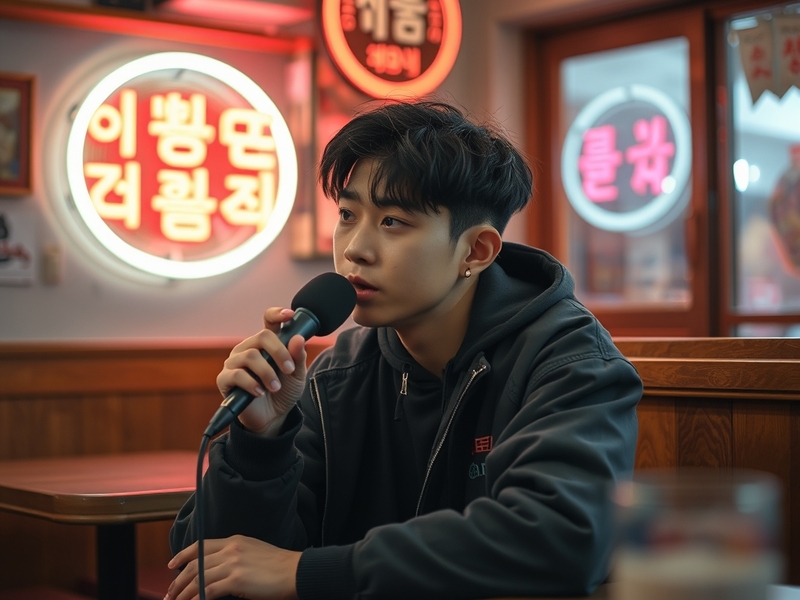
The timing of the interview coincided with a period of heightened international interest in K-pop and Korean entertainment, creating an unexpected convergence of fanbases. South Korea’s reputation for meticulous media production and cutting-edge interview formats likely influenced the polished yet intimate nature of the exchange. According to local reports, the session was filmed in a high-end studio in Gangnam, a district synonymous with South Korea’s cultural export industry.
YoungBoy’s participation in such a setting marks a significant departure from his typical media engagements, which often take place via phone interviews or social media clips. The decision to grant access to a Korean production team suggests a strategic move to expand his global footprint beyond the U.S. music scene. This shift aligns with a broader trend among American artists who are increasingly leveraging international platforms to diversify their audiences.
Notably, the interview was conducted entirely in English, which may have been a deliberate choice to ensure clarity and accessibility for his primary fanbase. However, the presence of Korean subtitles in the final edit indicates an effort to engage local viewers and capitalize on the country’s massive online streaming market.
Key Moments and Revelations from the Conversation
Several themes emerged during the interview that offered fresh perspectives on YoungBoy’s career and personal life. One of the most discussed moments was his reflection on fatherhood, a topic he has rarely addressed in such detail. He spoke candidly about the responsibilities of raising children while navigating legal battles and maintaining a grueling touring schedule. “It’s a different kind of pressure,” he stated, emphasizing how his children serve as both motivation and a source of emotional strain.
The rapper also addressed his recent legal troubles, including probation violations and ongoing lawsuits, with a level of transparency that contrasted with his typically guarded public statements. “I’m trying to do better, man,” he admitted, while acknowledging the challenges of breaking cycles ingrained in his community. His comments hinted at a desire for change, though he stopped short of outlining specific steps toward rehabilitation.
Another standout moment came when he discussed his creative process, particularly his approach to balancing commercial success with artistic integrity. “I make music for me first,” he explained. “If the fans vibe with it, that’s a bonus.” This statement underscores his commitment to authenticity, even as he navigates an industry often criticized for prioritizing trends over substance.
The Role of Social Media in Shaping YoungBoy’s Narrative
YoungBoy’s relationship with social media has been a defining aspect of his career, both as a tool for engagement and a source of controversy. During the interview, he touched on the pressures of maintaining a public image in the digital age, where every post can be dissected and sensationalized. “You can’t win on social media,” he observed. “People want to see you fall, and they’ll twist anything you say.”
His comments reflect a broader tension within hip-hop culture, where artists are expected to perform a delicate balancing act between relatability and resilience. YoungBoy’s unfiltered use of Instagram Live and YouTube uploads has cultivated a loyal fanbase that values his raw authenticity. However, his legal entanglements and public feuds have also fueled criticism, illustrating the double-edged nature of digital transparency.
The interview provided a rare opportunity for reflection on this dynamic, as YoungBoy acknowledged how social media has both amplified his voice and exposed him to relentless scrutiny. “It’s a love-hate thing,” he admitted. “But I can’t change who I am, and I won’t apologize for it.”
What’s Next for NBA YoungBoy? Fan Reactions and Industry Implications
The interview has sparked a wave of reactions across social media, with fans debating its implications for YoungBoy’s future. Some viewers praised his honesty, viewing the interview as a step toward personal growth. Others questioned whether his words would translate into tangible changes, given his history of legal and financial setbacks. The divide highlights the skepticism that often greets public statements from artists navigating complex personal and professional challenges.
Industry analysts have also weighed in, suggesting that the interview could serve as a turning point in YoungBoy’s career. His ability to connect with international audiences, particularly in markets like South Korea, may open doors to new collaborations and touring opportunities. Already, rumors have circulated about potential features with K-pop artists or producers, though no official announcements have been made.
For now, YoungBoy remains focused on his music. His latest projects continue to dominate streaming charts, proving that his appeal transcends regional and cultural boundaries. Whether this interview marks a turning point or merely another chapter in his storied career remains to be seen. One thing is clear: NBA YoungBoy’s journey is far from over, and his global ambitions are only beginning to take shape.
- NBA YoungBoy’s latest album features on our Rap section.
- Explore more artist interviews in our Interviews category.
NBA YoungBoy’s South Korea interview offers more than just a glimpse into his life—it’s a testament to the power of authenticity in an era where artists are constantly under the microscope. As his global footprint expands, the conversations sparked by this interview will likely resonate far beyond the Gangnam studio where it took place.