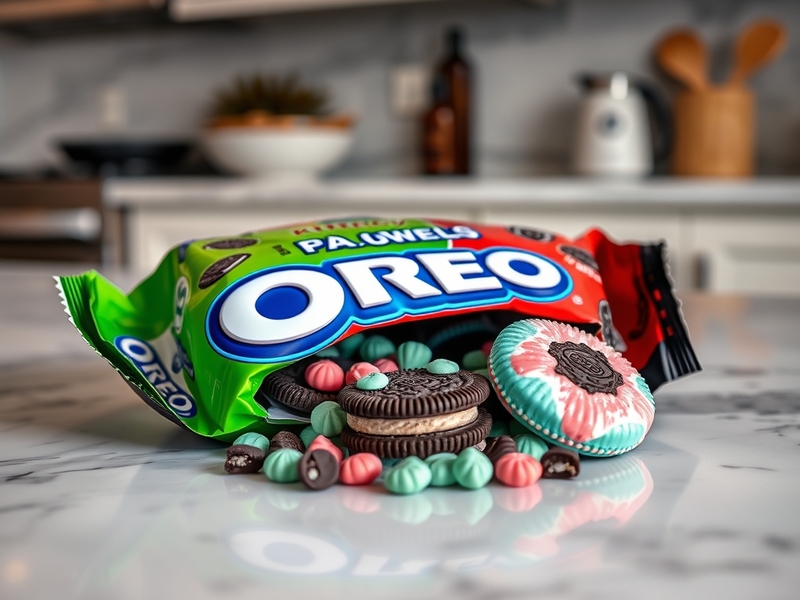
Oreo has spent over a century perfecting its classic chocolate-and-cream formula, but the brand’s willingness to experiment with new flavors has kept it fresh in global markets. While the original remains untouchable, limited-edition releases and regional variations have introduced consumers to everything from citrus twists to dessert-inspired creations. These innovations aren’t just about novelty—they reflect broader trends in snacking culture, regional tastes, and even health-conscious eating.
The rise of limited-edition Oreos
Limited-edition flavors have become a cornerstone of Oreo’s marketing strategy, often driving social media buzz and driving sales spikes. The first major departure from the original came in 2013 with Oreo Thins, a lighter version of the cookie that catered to changing snacking habits. But it was the introduction of fruit-flavored Oreos in 2014—strawberry and orange—that truly signaled the brand’s shift toward experimentation.
The success of these flavors led to a surge in seasonal and regional releases. In Japan, Oreo has embraced matcha green tea, black sugar, and even wasabi-flavored cookies, aligning with the country’s love for unique and often umami-rich flavors. Meanwhile, in India, Oreo has leaned into local tastes with mango and rose-flavored varieties, tapping into the subcontinent’s vibrant fruit culture. These adaptations aren’t just about selling more cookies—they’re about embedding Oreo into the fabric of diverse culinary traditions.
How regional flavors reshape global snacking
Oreo’s global flavor experiments highlight a fascinating paradox: while the brand maintains a consistent identity, it also adapts to local palates. Take, for example, the Oreo cookie in China, where it’s often paired with red bean paste or green tea fillings. These flavors might seem jarring to Western consumers, but they reflect China’s long-standing tradition of blending sweet and savory elements in desserts.
- Japan: Matcha, black sesame, and sweet potato Oreos cater to the country’s love for bitter-sweet balances.
- Brazil: Chocolate-covered banana and brigadeiro (a fudge-like Brazilian sweet) Oreos appeal to local dessert preferences.
- Mexico: Chili pepper and dulce de leche Oreos play into Mexico’s bold, spicy-sweet flavor profile.
This strategy isn’t unique to Oreo. Other global snack brands, like Lay’s with its regional chip flavors, have adopted similar approaches to stay relevant. But Oreo’s ability to balance consistency with innovation has made it a standout. The brand’s global team doesn’t just slap different flavors onto the same cookie—it rethinks the entire experience, from texture to packaging, to ensure each release feels authentic.
The science behind Oreo’s flavor experiments
Creating a new Oreo flavor isn’t as simple as mixing in a few drops of strawberry syrup. The process involves food scientists, flavor chemists, and even psychologists to ensure the cookie aligns with cultural expectations while still feeling like an Oreo. For instance, when developing a matcha Oreo for Japan, the team had to balance the bitterness of green tea with the familiar sweetness of the cream filling. Too much matcha, and the cookie would taste like a supplement; too little, and it wouldn’t feel distinct.
Texture also plays a critical role. In regions where crispy snacks are preferred, Oreo might adjust the cookie’s thickness or the cream’s density. In places where softer cookies are the norm, the brand might tweak the recipe to match local expectations. These details might go unnoticed by casual consumers, but they’re the difference between a cookie that feels like an authentic local treat and one that feels like a gimmick.
The role of social media in flavor hype
No discussion of Oreo’s new flavors would be complete without acknowledging the role of social media. Platforms like Instagram and TikTok have turned limited-edition releases into must-try events. When Oreo announced its Oreo x Pokémon collaboration in 2023, fans lined up for hours to get their hands on the Pikachu and Eevee-themed cookies. The campaign wasn’t just about selling snacks—it was about creating shareable moments.
This digital-first approach has also given rise to fan-driven demand. When a flavor like Oreo Churro or Oreo Cereal gains traction online, Oreo often responds by bringing it back for a limited time or even permanent release. The brand’s social media team doesn’t just announce new flavors—they build anticipation through teasers, behind-the-scenes content, and influencer partnerships.
But social media isn’t without its challenges. When Oreo released Oreo x Jollibee cookies in the Philippines, the limited stock led to frustration and accusations of favoritism. The backlash highlighted the risks of relying too heavily on hype—when a flavor feels exclusive rather than inclusive, it can backfire.
The future of Oreo flavors
As consumer tastes evolve, Oreo’s flavor experiments are likely to become even more daring. Health-conscious trends have already led to the introduction of Oreo Thins and Oreo Zero Sugar, but future releases might explore plant-based ingredients or functional benefits, like probiotics or added fiber. There’s also potential for more collaborations with non-food brands, similar to the Pokémon tie-in, to keep the brand feeling fresh.
Another trend to watch is the rise of “nostalgia flavors.” Oreo has already revisited childhood favorites like S’mores and cookies & cream, but as Gen Z enters adulthood, brands are increasingly tapping into millennial nostalgia. A limited-edition throwback to the 1990s Oreo could be just around the corner.
Of course, not every experiment will succeed. Some flavors will flop, and that’s okay. The key is that Oreo keeps pushing boundaries, whether it’s through global flavors, cultural collaborations, or unexpected ingredient pairings. In a market where snack brands often play it safe, Oreo’s willingness to take risks is what keeps it relevant.
The next time you crack open an Oreo, take a moment to appreciate the thought behind the flavor. It’s not just a cookie—it’s a carefully crafted piece of global culture, designed to delight, surprise, and occasionally confuse.