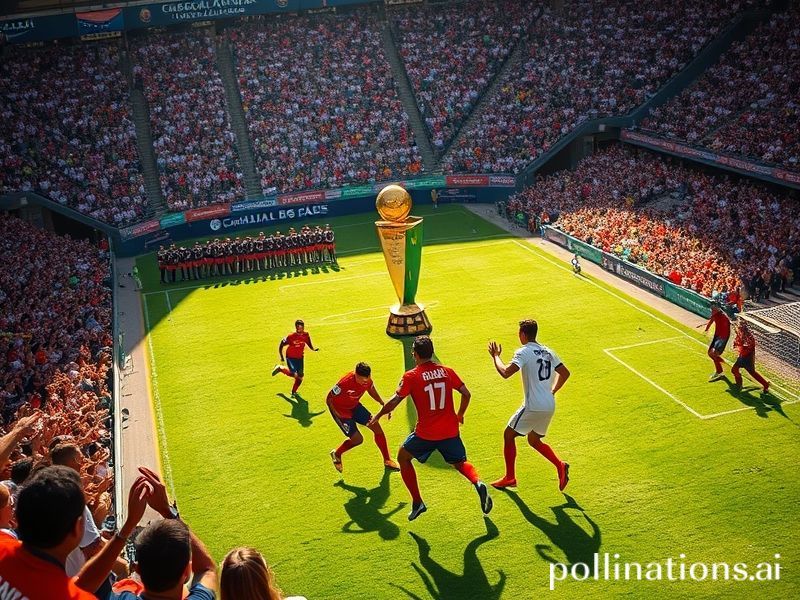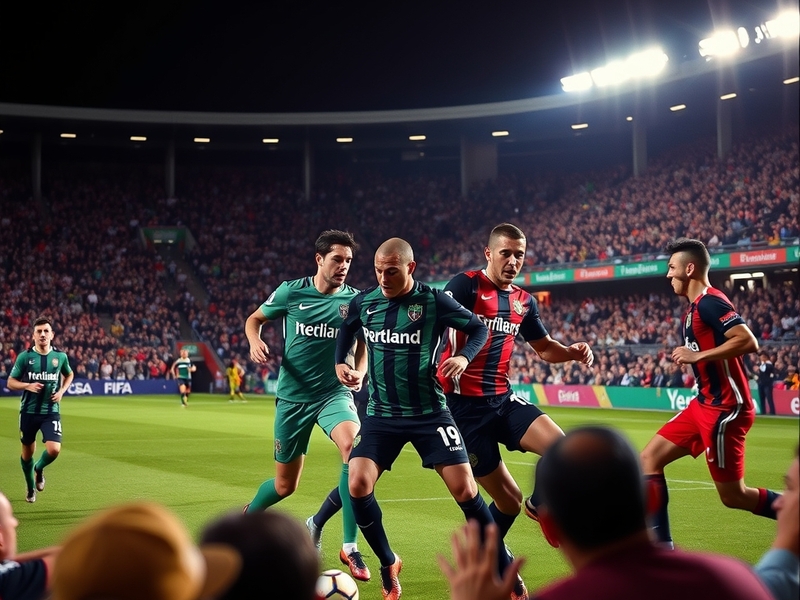
The clash between Portland Timbers and Club Tijuana isn’t just another CONCACAF Champions Cup fixture. It’s a collision of soccer cultures, urban identities, and tactical philosophies that reveals how the sport adapts—or resists—across borders. While one club carries the weight of a city’s progressive spirit, the other thrives in the gritty resilience of a border metropolis where survival often dictates style.
The Roots of Two Clubs: Identity in Contrast
Portland Timbers emerged in 2009 as a direct response to fan demand, rising from the ashes of a failed USL team to become a flagship of Major League Soccer’s expansion era. The club’s identity was forged in the coffeehouses and punk venues of the Pacific Northwest, where anti-establishment values blend with a deep love for local craft. Their nickname, the “Timbers,” harks back to the city’s logging past, but their modern ethos is rooted in community ownership and environmental activism. The team’s green-and-red branding isn’t just aesthetic—it’s a statement of values in a city known for its eco-conscious activism.
Club Tijuana, by contrast, was born in 2007 under different circumstances. Founded as a franchise in Mexico’s Ascenso MX, the club climbed quickly, reaching Liga MX in 2011. Tijuana’s rise mirrored the city’s own transformation—a border town once known for smuggling and vice reinventing itself as a bi-national hub of commerce and culture. The team’s nickname, “Xolos,” nods to the Mexican hairless dog, a symbol of protection and loyalty in Aztec tradition. Their jerseys feature the jaguar, a nod to indigenous heritage, but the club’s real identity lies in its ability to survive and thrive in a city where opportunities are as fluid as the border itself.
The contrast is stark. Portland’s soccer culture is built on idealism and inclusivity, while Tijuana’s is shaped by pragmatism and passion. One club plays in a stadium where fans bring reusable cups and solar panels power the scoreboard. The other thrives in a stadium where the crowd’s energy is fueled by street food, mariachi bands, and a sense of defiance against the odds.
Tactical Philosophies: One Style, Two Realities
When these two teams meet, the tactical battle isn’t just about formation or set pieces—it’s about how soccer is played in vastly different soccer ecosystems. Portland under manager Giovanni Savarese has long been associated with a high-pressing, possession-based style, a reflection of MLS’s growing emphasis on technical development and European influence. The Timbers’ midfielders move like chess pieces, probing for gaps while defenders step aggressively into the attack. Their fullbacks, like Jorge Villafaña, are as likely to deliver a cross as they are to make a last-ditch tackle.
Tijuana, meanwhile, plays with a swagger that feels distinctly Mexican. Under manager Diego Cocca, the Xolos often deploy a 4-4-2 with a diamond midfield, prioritizing quick transitions and vertical passing. Their style is less about elaborate build-up and more about exploiting moments of chaos. Wingers like Cristian Rivera dart down the flanks, while defensive midfielder Fernando Arce anchors the team with a mix of grit and vision. The Xolos’ approach isn’t pretty—it’s effective. In a league where physicality and speed often determine outcomes, Tijuana’s brand of soccer is a reminder that pragmatism can be just as beautiful as possession.
When these philosophies collide, the result is often a game of contrasts. Portland’s players might dominate possession, but Tijuana’s quick counters can exploit the spaces left behind. The Xolos’ physicality can disrupt the Timbers’ rhythm, while Portland’s technical precision can carve open tight defenses. It’s a tactical chess match where each move carries cultural weight. In Portland, soccer is seen as an art form. In Tijuana, it’s a survival tool.
Cultural Exchange: Beyond the Pitch
The Portland vs. Tijuana rivalry isn’t just about goals and standings—it’s about the exchange of ideas, music, and identity. When the teams meet, it’s not uncommon to see Portland fans singing along to banda music in the stands, or Tijuana supporters adopting the Timbers Army’s chants. The clash transcends sport, becoming a moment where two cultures collide and merge in unexpected ways.
One of the most fascinating aspects of this fixture is the culinary crossover. Portland’s food scene is dominated by food carts and farm-to-table dining, while Tijuana is famous for its street tacos and seafood. When players or fans travel between cities, they often bring these flavors with them. It’s not uncommon to see a Timbers player grabbing a taco de camarón at a post-match meal in Tijuana, or a Xolos fan sipping a cold craft beer in Portland’s Pearl District.
The musical exchange is just as vibrant. Portland’s indie music scene has long been a staple of the Timbers’ matchday experience, with bands like The Decemberists and Portugal. The Man lending their tunes to the pre-game atmosphere. Tijuana, meanwhile, is the birthplace of norteño and banda music, genres that have become staples in stadiums across Mexico. When the two cities collide on the pitch, their sonic identities often collide in the stands as well.
This cultural fusion extends beyond the game. The Timbers’ community initiatives often focus on sustainability and social justice, while Tijuana’s clubs frequently partner with local organizations to promote education and youth development. When these two clubs meet, they bring more than just players—they bring the soul of their cities.
What’s at Stake: Pride, Points, and Legacy
The stakes in a Portland Timbers vs. Club Tijuana match go beyond the CONCACAF Champions Cup standings. For Portland, it’s about proving that the Pacific Northwest can compete on the international stage. The Timbers have made deep runs in the MLS Cup and Leagues Cup, but continental glory remains elusive. A win over Tijuana could be a statement that they belong among the elite of CONCACAF.
For Tijuana, the match is an opportunity to showcase the rise of Mexican soccer beyond the traditional powerhouses like Monterrey and América. The Xolos have made waves in recent years, reaching the Liga MX finals and competing in continental tournaments. A strong showing against Portland could cement their reputation as a club on the rise, capable of challenging the best in the region.
The real prize, however, might be the intangible: the chance to etch their names into the history of North American soccer. Portland and Tijuana represent two different visions of the game—one rooted in idealism, the other in resilience. When they meet, it’s not just about winning. It’s about proving that soccer can be many things at once: a sport, a culture, and a reflection of the cities that shape it.
Regardless of the outcome, one thing is certain: the next time these two clubs meet, their clash will once again reveal the beauty and complexity of soccer in North America. Whether it’s in a packed stadium in Portland or a sun-soaked pitch in Tijuana, the game will be more than just a match. It will be a celebration of two cities, two cultures, and the unifying power of the beautiful game.