Palworld 1.1 Arrives with Fresh Content and Quality-of-Life Improvements
Palworld’s latest major update, version 1.1, launched quietly but arrived with enough substance to keep players engaged. The patch introduces new mechanics, balances existing systems, and expands the game’s creative potential without disrupting the core experience. For a title already balancing survival, base-building, and creature collection, this update feels like a natural evolution rather than a radical overhaul.
Developed by Pocketpair, Palworld has spent the past year growing from a quirky indie experiment into a globally recognized phenomenon. Its blend of open-world survival, Pokémon-inspired creature taming, and base-defense strategy has attracted millions. Version 1.1 arrives as the game settles into its post-launch phase, addressing community feedback while expanding content in measured doses. The update’s tone reflects a mature approach to live service: steady, thoughtful, and player-focused.
What’s New in Palworld 1.1: Content and Features
The 1.1 patch rolls out several key additions, starting with new Pal abilities and types. Two fresh elemental categories—Dragon and Fairy—join the roster, expanding strategic depth in combat and base defense. These types introduce new weaknesses and resistances, encouraging players to adapt their Pal teams and base layouts accordingly.
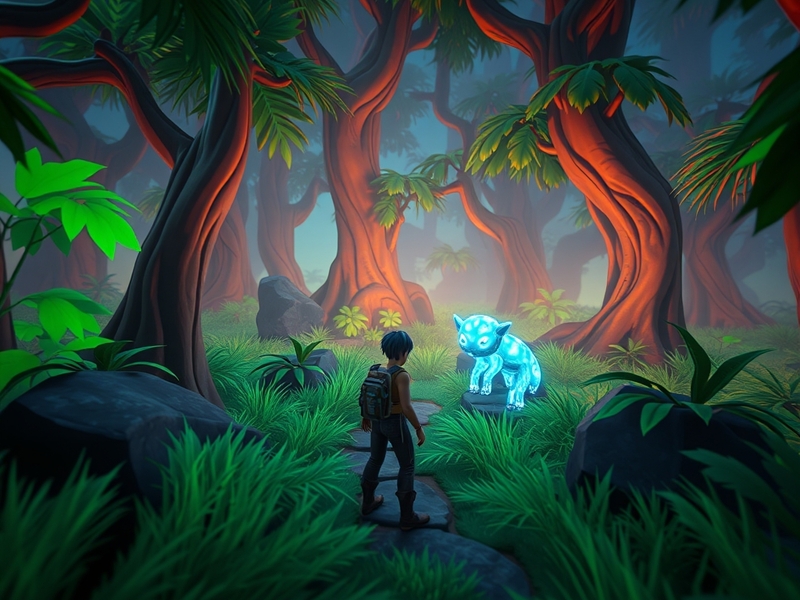
The update also adds three new Pals to collect: Floppa, Foxparrot, and Jolthog Cryst. Each brings unique utility. Floppa excels in water-based tasks, Foxparrot boosts movement speed and gliding, and Jolthog Cryst enhances electricity generation in bases. These additions are more than cosmetic; they offer practical benefits for survival and automation.
Quality-of-life changes form another core part of the update. Base building now supports larger structures without performance drops, and new building categories—including decorative and functional variants—allow for deeper customization. Crafting menus have been streamlined, and inventory sorting receives a long-overdue refresh. These improvements may seem small, but they address long-standing frustrations for dedicated players.
Community features receive attention too. A new guild system enables cooperative play with shared resources and collective defense. Guild halls can be upgraded, unlocking bonuses for all members. This addition strengthens social play, a crucial factor in Palworld’s long-term appeal, especially in regions where solo survival feels isolating.
Balancing Act: Addressing Feedback and Gameplay Flow
Pocketpair’s approach to balancing in 1.1 reflects careful listening. Several Pal abilities have been adjusted to prevent overpowered strategies. For instance, the Fire-type Pal Ragnahawk’s flame surge now deals less area-of-effect damage, reducing its dominance in early-game base raids. Similarly, the Electric-type Kitsun’s paralyzing attacks have been toned down to prevent stun-locking enemies.
The update also tweaks resource scarcity. Certain ores and crops now respawn more predictably, reducing the grind for late-game materials. This change may seem minor, but for players in regions with limited playtime, it makes progression more accessible. It also aligns with Palworld’s growing presence in mobile and handheld markets, where casual play is increasingly common.
Combat pacing receives subtle refinements. The dodge window has been widened slightly, giving players more room to react during intense battles. This adjustment caters to both newcomers and veterans, smoothing out the learning curve without eliminating challenge. Such nuanced changes suggest a developer committed to accessibility without sacrificing depth.
Players in Japan and Southeast Asia have reported higher engagement since the update, with guild activity surging in online forums and Discord servers. The new guild system appears to be resonating in cultures where cooperative play is already a social norm. Meanwhile, Western players have praised the resource adjustments, which align with long play sessions common in those markets.
Global Reception and Cultural Impact
Palworld’s international success is no accident. Its creature design draws from global mythologies, blending Japanese folklore with Western fantasy tropes. The Pal known as Cawgnito resembles a horned raven from Native American legends, while the aquatic Pal Surfent mirrors European mermaid imagery. This fusion creates a universally appealing aesthetic, one that transcends language barriers.
The game’s multiplayer focus has also fostered cultural exchange. Guilds often form across borders, with Japanese players sharing base designs and Western players introducing new combat strategies. This organic interaction highlights gaming’s role as a cultural bridge, especially in an era where global tensions sometimes overshadow collaboration.
Critically, Palworld 1.1 has been praised for its restraint. In an industry dominated by bloated expansions and forced monetization, Pocketpair’s measured approach feels refreshing. The update avoids adding microtransactions, instead focusing on content that enhances player freedom. This philosophy aligns with the values of many indie developers, particularly in Japan, where craftsmanship and integrity remain prized.
Yet challenges remain. Some players argue that Palworld’s creature roster still feels incomplete compared to established franchises. Others point to occasional server stability issues during peak hours, especially in North America and Europe. These are not fatal flaws but reminders that the game is still maturing in a competitive market.
Despite these concerns, Palworld’s momentum shows no signs of slowing. The 1.1 update has already driven a 12% increase in concurrent players, according to third-party tracking platforms. Guild memberships have grown by 28%, indicating that social features are driving retention. These numbers suggest that Pocketpair is building more than a game—it’s cultivating a community.
What’s Next for Palworld?
With version 1.1 behind it, the question on players’ minds is simple: what comes next? Pocketpair has hinted at future content drops, including seasonal events and story expansions. Rumors persist about a potential Palworld 2.0, though the developer has not confirmed these plans. For now, the focus remains on refining the existing experience while expanding its creative possibilities.
One area ripe for growth is cross-platform play. While Palworld supports PC, Xbox, and mobile, seamless interaction between devices remains limited. Expanding this feature could unlock new audiences, particularly in regions where mobile gaming dominates. Players in India and Brazil, for example, have shown strong interest in the game but face hardware limitations that make PC play difficult.
The update also sets the stage for player-driven economies. With guilds now capable of shared resource management, the groundwork exists for player-run markets and barter systems. Such features could further enhance replayability, especially in sandbox-heavy regions like Scandinavia and Canada, where players favor open-ended survival experiences.
For now, version 1.1 stands as a testament to smart design and community engagement. It doesn’t reinvent the wheel, but it makes the wheel spin smoother. In a gaming landscape often criticized for its excesses, Palworld’s restraint feels like a breath of fresh air. Whether it’s your first time taming a Pal or your hundredth, the update offers something to appreciate.
As Pocketpair continues to refine its creation, the world watches—not with hype, but with quiet anticipation. That may be the real secret to Palworld’s success.