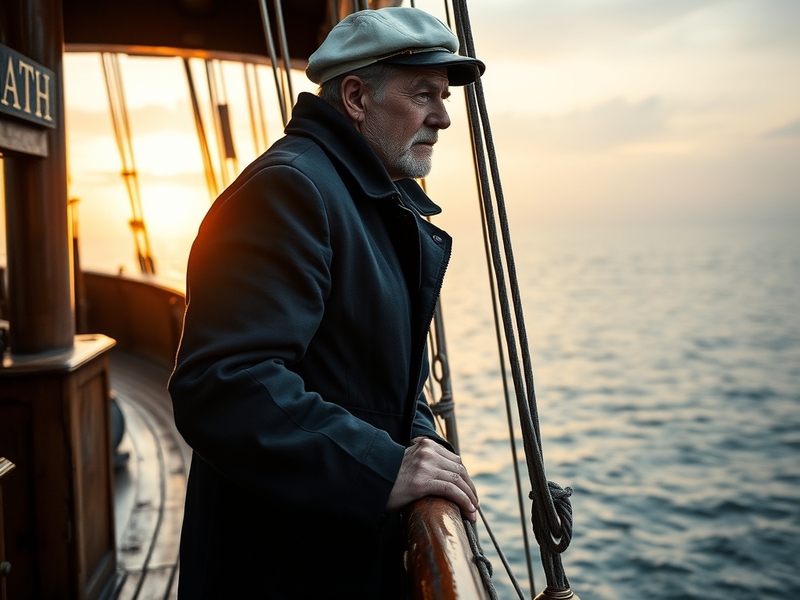
Sailor isn’t just a job—it’s a way of life that blends adventure with responsibility, demanding skill, endurance, and adaptability. For centuries, sailors have crisscrossed oceans, connecting continents, cultures, and economies. Their work shapes global trade, military strategy, and even environmental policies. Yet, the role is often misunderstood, reduced to romanticized images of sunsets on the open sea or exaggerated tales of mutiny. The reality is far more complex, filled with technical precision, strict regulations, and personal sacrifice.
The evolution of sailing: From ancient voyages to modern maritime
The history of sailors traces back to the earliest civilizations. Phoenician traders navigated the Mediterranean around 1550 BCE using the stars and landmarks. By the Age of Exploration in the 15th century, sailors like Ferdinand Magellan and Christopher Columbus ventured into uncharted waters, expanding global knowledge. These voyages weren’t just about discovery—they relied on meticulous navigation tools like the astrolabe and quadrant, predecessors to today’s GPS.
The industrial revolution transformed sailing from a skill-based craft into a science-driven profession. Steam engines reduced reliance on wind, while steel replaced wooden hulls, making ships larger and more durable. Today, modern vessels combine advanced technology with age-old seamanship. Satellite communication, radar systems, and automated navigation have redefined the role of a sailor, yet the core principles—understanding weather patterns, reading charts, and managing crew dynamics—remain unchanged.
Key milestones in maritime history
- 15th–17th centuries: The Age of Exploration spurred long-distance sailing, with sailors facing scurvy, storms, and uncharted territories.
- 18th–19th centuries: The rise of naval warfare and commercial shipping led to standardized training and safety protocols.
- 20th century: Containerization revolutionized cargo transport, reducing manual labor but increasing the need for technical expertise.
- 21st century: Digitalization and automation are reshaping roles, with sailors now managing AI-driven systems and cybersecurity risks.
The modern sailor: Skills, challenges, and daily realities
Being a sailor in the 21st century requires a blend of traditional seamanship and modern technical knowledge. A typical day might involve monitoring weather forecasts, conducting safety drills, or troubleshooting engine issues. The job demands physical stamina—hauling ropes, standing watch for hours, and enduring long periods away from home. Mental resilience is equally critical; sailors must stay alert during storms, manage conflicts within the crew, and adapt to rapidly changing conditions.
One of the biggest challenges is isolation. Months at sea mean limited communication with family and friends. While satellite phones and emails provide some connection, they can’t replace face-to-face interactions. Mental health is a growing concern, with studies showing higher rates of anxiety and depression among sailors compared to shore-based professions. Shipping companies are now introducing wellness programs, peer support networks, and counseling services to address this issue.
Another challenge is the evolving regulatory landscape. International bodies like the International Maritime Organization (IMO) enforce strict environmental and safety standards. Sailors must comply with rules on waste disposal, fuel efficiency, and crew training. Failure to meet these standards can result in hefty fines or even imprisonment. For example, the 2020 sulfur cap regulation pushed companies to adopt cleaner fuels, requiring sailors to undergo additional training on handling new fuel types.
What it takes to become a sailor
Entering the maritime industry typically starts with maritime training programs or apprenticeships. Aspiring sailors can pursue certifications like the Standards of Training, Certification, and Watchkeeping for Seafarers (STCW), which is recognized globally. These programs cover navigation, firefighting, first aid, and survival techniques. Hands-on experience is crucial; many sailors begin as deckhands or engineers, working their way up to officer roles.
Physical fitness is non-negotiable. Sailors must be able to lift heavy equipment, work in tight spaces, and endure extreme temperatures. Medical exams are mandatory to ensure they can handle the demands of the job. Additionally, language skills are increasingly important. English is the lingua franca of the sea, but multilingual sailors have an edge, especially on international routes.
Sailors and technology: Balancing tradition with innovation
Technology has transformed nearly every aspect of sailing, from navigation to communication. Electronic Chart Display and Information Systems (ECDIS) have replaced paper charts, providing real-time updates on tides, currents, and hazards. Automated radar and collision-avoidance systems reduce human error, while drones are now used for inspections and search-and-rescue missions.
Yet, technology isn’t without its pitfalls. Over-reliance on automation can lead to complacency, as seen in accidents like the 2017 MV Sewol ferry disaster, where a combination of technical failure and human error resulted in tragedy. Sailors must remain vigilant, using technology as a tool rather than a crutch. Cybersecurity is another growing concern. Modern ships rely on interconnected systems vulnerable to hacking, making sailors and IT teams essential partners in safeguarding vessels.
Despite these advancements, some traditions endure. Celestial navigation, though rarely used today, is still taught as a backup method. Sailors continue to honor maritime rituals, such as the ceremony for crossing the equator, which marks a rite of passage for new crew members. These traditions foster camaraderie and respect for the sea’s unpredictable nature.
The future of sailing: Sustainability and the next generation
The maritime industry is at a crossroads, facing pressure to reduce its environmental impact. Sailors are on the front lines of this transition, adopting greener practices like slow steaming to cut fuel consumption and installing scrubbers to reduce emissions. The push for alternative fuels, such as hydrogen and ammonia, is gaining momentum, with sailors training to handle these new energy sources.
Another significant shift is the shortage of skilled sailors. The industry is aging, with many experienced sailors nearing retirement. At the same time, younger generations are less interested in seafaring careers, lured by shore-based jobs with better work-life balance. To attract new talent, companies are offering competitive salaries, improved working conditions, and clearer career progression paths. Initiatives like the Maritime Academy partnerships are also encouraging students to explore seafaring careers through internships and mentorship programs.
The future of sailing will likely be shaped by two opposing forces: automation and the human element. While AI and robotics may take over repetitive tasks, the need for skilled sailors to oversee operations, handle emergencies, and maintain morale will remain. The challenge for the industry is to adapt without losing sight of the core values that have defined seafaring for centuries—adaptability, resilience, and respect for the sea.
Sailing is more than a job; it’s a testament to human ingenuity and the relentless pursuit of exploration. As technology advances and environmental concerns grow, sailors will continue to play a vital role in shaping the future of global trade and sustainability. Their stories, though often untold, are the backbone of the world’s interconnected economies. For those willing to embrace the challenges, a career at sea offers unparalleled adventure, purpose, and a connection to the vast, ever-changing ocean.