Spain’s top football division, the Liga Española, often overshadowed by the Premier League’s financial might or the glamour of Serie A, remains one of football’s most tactically rich and culturally resonant leagues. With a history stretching back to 1929, LaLiga has evolved from a regional competition into a global showcase of technical brilliance, youth development, and managerial innovation. While the Premier League dominates in revenue and the Champions League in prestige, LaLiga continues to carve its own identity—one defined by possession-based football, homegrown talent, and clubs steeped in local identity rather than corporate ownership.
From Humble Beginnings to Global Recognition
LaLiga was officially founded in 1929, though its origins trace back to earlier regional leagues. The first season featured ten teams, with Athletic Bilbao lifting the inaugural trophy. Over the decades, the league expanded and professionalized, but it wasn’t until the late 20th century that it began to capture international attention. The 1990s and early 2000s saw the rise of Barcelona’s Dream Team under Johan Cruyff, a philosophy that later became the foundation of the club’s modern identity. Meanwhile, Real Madrid cemented its status as a European giant with multiple Champions League titles, creating a rivalry that transcends sport.
By the 2010s, LaLiga had transformed into a league of contrasts: ultra-modern stadiums alongside historic grounds, financial restraint alongside on-field extravagance. Despite lower overall revenues compared to the Premier League, LaLiga clubs have consistently punched above their weight in European competitions. In the 2019–20 season, for example, Real Madrid won the Champions League, while Sevilla triumphed in the Europa League—proving that tactical acumen and squad depth can overcome financial disparities.
The Two Giants: Real Madrid and Barcelona
No discussion of LaLiga is complete without acknowledging the dominance—and occasional drama—of its two superpowers. Real Madrid, with a record 35 league titles, has long been synonymous with success. Under presidents like Florentino Pérez, the club has pursued a “Galácticos” strategy, signing global superstars such as Cristiano Ronaldo, Zinedine Zidane, and Karim Benzema. Their Santiago Bernabéu stadium is not just a venue; it’s a monument to footballing history.
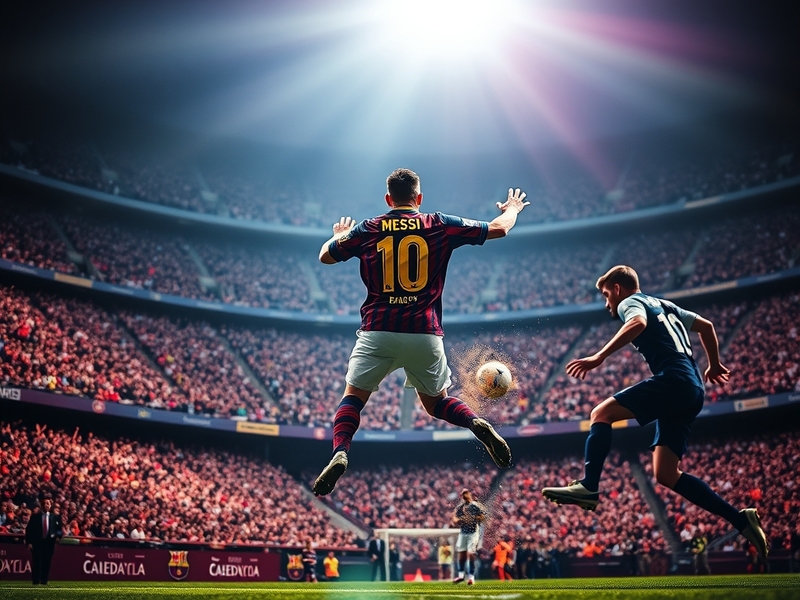
Barcelona, meanwhile, represents a different philosophy. The club’s identity is built on La Masia, its famed youth academy, which has produced legends like Lionel Messi, Xavi Hernández, and Andrés Iniesta. Under Pep Guardiola in the late 2000s, Barcelona perfected a style of play—tiki-taka—that redefined modern football. Even after Messi’s departure in 2021, Barça continues to emphasize technical development and social values, though financial constraints have forced difficult decisions in recent years.
The rivalry between the two clubs, known as El Clásico, transcends sport. These matches draw over 400 million global viewers and are as much about political and cultural narratives as they are about football. For decades, they set the tone for LaLiga, though in recent years other clubs have begun to challenge their hegemony.
Rising Challengers and the Changing Landscape
In the shadows of Madrid and Barcelona, a new generation of clubs has emerged, injecting fresh energy into LaLiga. Atlético Madrid, under Diego Simeone, has redefined defensive resilience and counter-attacking football. With league titles in 2014, 2021, and consistent Champions League runs, Atlético has proven that LaLiga is not a two-horse race. Their stadium, the Wanda Metropolitano, is one of Europe’s most intimidating venues.
Other clubs like Real Sociedad, Villarreal, and Athletic Bilbao have also made their mark. Athletic Bilbao, in particular, is a unique case: the club has a policy of signing only players from the Basque Country, a tradition that has endeared them to fans worldwide. Villarreal, once a mid-table side, has become a consistent Europa League contender under managers like Unai Emery and Marcelino García Toral. Their story is one of smart recruitment and long-term vision.
Even outside the traditional powerhouses, LaLiga is becoming more competitive. Clubs such as Real Betis and Sevilla have shown that with strong leadership and European experience, domestic success is within reach. Sevilla’s dominance in the Europa League—seven titles as of 2024—underscores how LaLiga clubs can excel in continental competitions while remaining competitive at home.
Youth Development and the Global Influence of LaLiga
One of LaLiga’s most enduring strengths is its commitment to youth development. The league’s clubs have long prioritized homegrown talent, a philosophy that has produced some of football’s greatest players. La Masia, Barça’s academy, is the most famous example, but Real Madrid’s La Fábrica and Athletic Bilbao’s Lezama are equally respected. These academies don’t just develop players; they instill a deep understanding of the club’s philosophy and values.
LaLiga’s global influence extends beyond its pitches. The league has been a pioneer in digital engagement, launching LaLiga Tech to enhance fan experiences and monetize digital content. Its YouTube channel, with over 10 million subscribers, offers behind-the-scenes content, tactical breakdowns, and multilingual broadcasts—making the league accessible to fans worldwide. The league’s commitment to innovation is also evident in its use of video assistant referees (VAR), which, while controversial at times, has improved the accuracy of refereeing decisions.
Moreover, LaLiga has expanded its footprint in the United States, hosting regular season games in cities like Miami and Dallas. These initiatives aim to grow the league’s fanbase in emerging markets, where football’s popularity is rising. With partnerships in Asia and Africa, LaLiga is positioning itself not just as Spain’s top league, but as a global football brand.
The Financial Realities and Future Challenges
Despite its on-field success, LaLiga faces financial challenges that threaten its long-term competitiveness. Unlike the Premier League, where clubs benefit from lucrative domestic TV deals, LaLiga’s broadcasting revenues are significantly lower. In the 2022–23 season, LaLiga’s total TV revenue was around €1.5 billion, compared to the Premier League’s €3.3 billion. This disparity forces LaLiga clubs to rely more on commercial revenue, sponsorships, and smart player trading.
Financial Fair Play (FFP) regulations have also impacted LaLiga clubs. While FFP aims to promote financial sustainability, it has limited the ability of ambitious clubs to invest heavily. This has led to creative solutions, such as player loans, wage deferrals, and reliance on youth talent. Clubs like Real Madrid and Barcelona have massive wage bills, which have resulted in financial crises at times. For example, Barcelona’s “economic levers” strategy, which involved selling parts of future TV rights, allowed them to retain key players but came at a long-term cost.
Looking ahead, LaLiga must balance tradition with modernity. The league’s focus on youth development and technical football is a strength, but it must also adapt to the financial realities of modern football. Potential solutions include increasing commercial partnerships, expanding global markets, and exploring new revenue streams such as NFTs and digital collectibles.
Why LaLiga Still Matters
In an era where football is increasingly dominated by a handful of superclubs and financial powerhouses, LaLiga remains a beacon of authenticity and innovation. It’s a league where managers are given time to implement their ideas, where players are nurtured rather than bought, and where clubs are deeply rooted in their communities. While it may not always have the biggest budgets or the flashiest stadiums, LaLiga offers something rare in modern football: a sense of identity.
For purists, LaLiga is a reminder of what football used to be—and what it could be again. For young players, it’s a pathway to greatness. For global fans, it’s a chance to experience a different style of play. And for the clubs, it’s a legacy worth preserving. In a world where football often feels like a corporate product, LaLiga still feels like a competition.
As the new season approaches, eyes will once again turn to the Santiago Bernabéu, Camp Nou, and Metropolitano. But beyond the stars and the trophies, it’s the spirit of LaLiga—the commitment to youth, the embrace of tactical diversity, and the celebration of football as art—that continues to captivate. For those who value football beyond the spectacle, LaLiga isn’t just a league. It’s a philosophy.