From Smoke to Strategy: How Fire Shaped the Portland Timbers’ Identity
The Portland Timbers aren’t just another MLS franchise—they’re a team forged in the flames of adversity, both literal and figurative. Over the past decade, the club has transformed from a regional underdog into a model of consistency, resilience, and community-driven success. But this evolution hasn’t happened in a vacuum. Portland’s unique relationship with fire—its symbolism, its destructive power, and its regenerative potential—mirrors the Timbers’ own journey on and off the pitch. From the wildfires that have swept through the Pacific Northwest to the fiery passion of their supporters, the team’s story is one of adaptation, grit, and renewal.
The Timbers’ connection to fire isn’t just metaphorical. Portland’s nickname, “The City of Roses,” often overshadows its deeper ties to the natural forces that have shaped its landscape. Wildfires in 2020 blanketed the city in smoke, forcing matches to be postponed and testing the team’s operational resilience. Yet, like the forests that eventually regrow after a blaze, the Timbers emerged stronger, using the disruption as a catalyst for reinvention. This interplay between destruction and rebirth is embedded in the team’s DNA—a theme that resonates with fans who see themselves as part of a broader, ever-evolving narrative.
Understanding the Timbers’ identity requires looking beyond the pitch. It’s about the people who fill Providence Park, the front-office decisions that defy conventional wisdom, and the way the club has woven itself into Portland’s cultural fabric. Fire, in this context, isn’t just a hazard or a symbol; it’s a force that demands respect, adaptability, and a long-term vision. The Timbers have embraced that ethos, and the results speak for themselves.
A Culture Built on Resilience
The Timbers’ rise to prominence is a testament to their ability to thrive under pressure. When the 2020 wildfires forced the team to navigate an unprecedented crisis, they didn’t just survive—they used the downtime to refine their approach. The club’s front office made bold decisions, such as signing midfield maestro Sebastián Blanco during the hiatus, a move that would pay dividends in the seasons to come. Blanco’s arrival wasn’t just a transaction; it was a statement that the Timbers were willing to take calculated risks to elevate their game.
This resilience extends beyond the roster. The Timbers’ leadership has consistently prioritized stability, a rarity in an era where MLS clubs are often defined by turnover in the dugout and front office. Head coach Ezra Hendrickson, appointed in 2022, inherited a squad with a clear identity and a winning mentality. His tenure has been marked by tactical flexibility and a refusal to panic under pressure—qualities that mirror the team’s broader philosophy. When injuries or suspensions have threatened to derail their season, the Timbers have adapted, leveraging their depth and cohesion to stay competitive.
Yet, resilience isn’t just about bouncing back—it’s about learning from failure. The Timbers’ 2021 playoff run, which ended in a heartbreaking loss to the Seattle Sounders, was a turning point. The team’s ability to regroup and refocus the following season demonstrated their maturity. They didn’t dwell on the setback; they used it as fuel. This mindset is a reflection of Portland’s broader ethos, where setbacks are viewed as temporary obstacles rather than insurmountable challenges.
The Role of Fire in Shaping the Timbers’ Fanbase
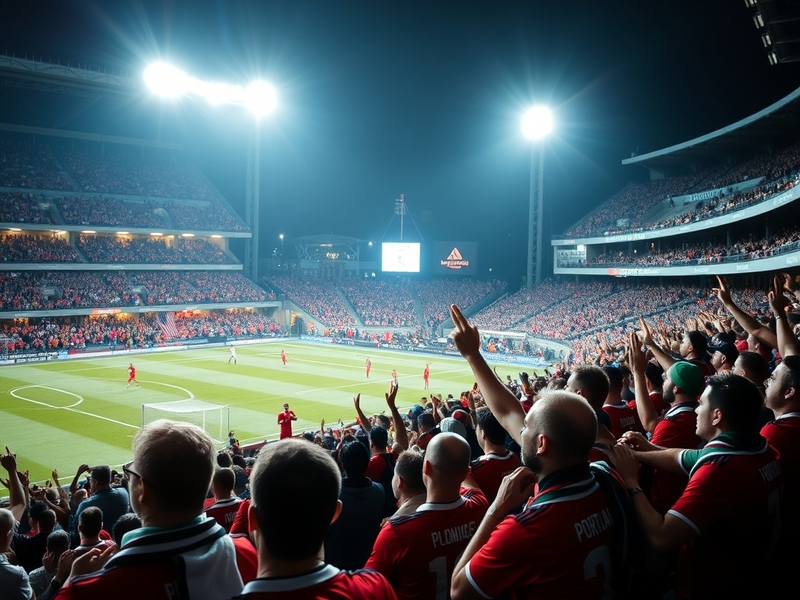
No discussion of the Timbers is complete without acknowledging the role of their supporters. The Timbers Army, one of MLS’s most passionate fan groups, doesn’t just fill Providence Park—they animate it with a collective energy that borders on the sacred. Their chants, banners, and unwavering loyalty create an atmosphere that’s as intimidating for opponents as it is exhilarating for the players. But this fan culture isn’t just about passion; it’s about resilience. The Timbers Army has weathered everything from stadium debates to ownership changes, emerging stronger each time.
Their connection to fire is visceral. The group’s name itself evokes the image of a controlled burn, a natural process that clears away the old to make way for the new. This metaphor extends to their relationship with the team. When the Timbers struggled in their early years, the fans didn’t abandon them—they doubled down. Their chants of “We are the Timbers Army” aren’t just rallying cries; they’re a declaration of faith in the team’s potential. This loyalty has created a feedback loop: the fans inspire the players, and the players’ success fuels the fans’ passion.
The Timbers’ fan culture is also a product of Portland’s broader identity. The city’s progressive values, its love of the outdoors, and its history of activism all find expression in the way supporters engage with the team. The Timbers have leveraged this connection, aligning themselves with local causes and positioning themselves as more than just a sports team. They’re a civic institution, a symbol of Portland’s spirit. This alignment has paid dividends, both in terms of fan engagement and on-field success.
Consider the club’s response to the 2020 wildfires. While other teams might have viewed the natural disaster as a logistical headache, the Timbers saw an opportunity to deepen their connection with the community. They organized donation drives, hosted fundraisers, and used their platform to amplify local relief efforts. In doing so, they reinforced their role as a unifying force in Portland—a role that transcends soccer.
On-Field Success Rooted in Adaptability
The Timbers’ tactical evolution over the past decade reflects their broader adaptability. When the team won MLS Cup in 2015, their style was built around physicality and direct play, a reflection of the era’s dominant tactics. But as the league has evolved, so too have the Timbers. Under Hendrickson, the team has embraced a more possession-based, high-pressing style, a shift that mirrors the regenerative power of fire. Just as a forest fire clears away deadwood to make way for new growth, the Timbers have shed outdated tactics to embrace a more modern, fluid approach.
This adaptability is evident in their squad depth. The Timbers’ roster isn’t built around superstars; it’s built around role players who understand their roles and execute them flawlessly. Players like midfielder David Bingham and defender Bill Tuiloma may not grab headlines, but their contributions are vital to the team’s success. This ethos of collective effort is a reflection of Portland’s broader culture, where individualism takes a backseat to the greater good.
The Timbers’ ability to adapt isn’t just tactical—it’s operational. When the COVID-19 pandemic disrupted the 2020 season, the club responded by creating a “bubble” environment at Providence Park, a move that allowed them to complete their schedule safely. This willingness to innovate in the face of adversity is a hallmark of the Timbers’ approach. They don’t just react to challenges; they anticipate them and develop solutions before problems arise.
Yet, adaptability isn’t without its risks. The Timbers’ shift in playing style has occasionally left them vulnerable to teams that exploit their high press. In the 2023 season, for example, the team struggled against counterattacking opponents, a weakness that opponents quickly exploited. But instead of reverting to their old ways, the Timbers doubled down on their philosophy, trusting in their ability to refine their approach over time. This long-term thinking is a testament to their commitment to sustainable success.
Broader Implications: What the Timbers’ Story Teaches the MLS
The Portland Timbers’ journey offers several lessons for MLS as a whole. First, it underscores the importance of stability. In an era where clubs are constantly chasing the next big hire or transfer target, the Timbers have thrived by prioritizing consistency. Their front office, led by general manager Ned Grabavoy, has fostered an environment where players and staff feel secure in their roles. This stability has allowed the team to develop a clear identity, a rarity in modern soccer.
Second, the Timbers’ success highlights the value of community engagement. In an age where fans are increasingly disconnected from their teams by corporate ownership and rising ticket prices, the Timbers have maintained a grassroots connection to their supporters. Their commitment to local causes, their transparency with fans, and their willingness to listen to supporter groups have created a model that other clubs would do well to emulate.
Finally, the Timbers’ story is a reminder that success isn’t linear. The team’s journey has been marked by setbacks, from playoff heartbreaks to ownership controversies. But each challenge has been met with resilience, adaptability, and a refusal to abandon their core values. This approach is a blueprint for navigating the unpredictable nature of professional sports.
For MLS, the Timbers’ success is a case study in how to build a sustainable, fan-driven franchise. Their ability to weather crises, adapt to change, and maintain a clear identity offers a roadmap for other clubs looking to carve out their own niche in an increasingly competitive league.
Key Takeaways: What Makes the Timbers Unique
The Portland Timbers’ identity is shaped by a combination of factors, from their tactical adaptability to their deep connection with the community. Here are the key elements that set them apart:
- Resilience: The team’s ability to bounce back from setbacks, whether on the pitch or in the community, is a hallmark of their culture. From wildfires to playoff heartbreaks, the Timbers have shown time and again that they can adapt and thrive.
- Fan Engagement: The Timbers Army isn’t just a fan group—they’re a driving force behind the team’s success. Their passion and loyalty create an atmosphere that’s as intimidating for opponents as it is exhilarating for the players.
- Operational Stability: The club’s front office has prioritized long-term thinking, fostering an environment where players and staff feel secure in their roles. This stability has allowed the team to develop a clear identity and a winning mentality.
- Community Integration: The Timbers have positioned themselves as more than just a soccer team. They’re a civic institution, a symbol of Portland’s spirit, and a unifying force in the community.
- Tactical Evolution: The team’s ability to adapt to changing circumstances, from the rise of possession-based soccer to the challenges of the pandemic, demonstrates their commitment to sustainable success.
These elements combine to create a franchise that’s greater than the sum of its parts. The Timbers aren’t just a soccer team; they’re a reflection of Portland’s soul.
The Portland Timbers’ story is one of fire and renewal, of destruction and rebirth. It’s a testament to the power of resilience, adaptability, and community. As the team continues to evolve, their journey offers a compelling narrative for soccer fans and sports enthusiasts alike. Whether they’re battling wildfires or chasing MLS Cup glory, the Timbers remain a team that defies expectations and inspires loyalty. In a league defined by its unpredictability, the Timbers stand out as a beacon of stability, passion, and purpose.