Naalehu: Hawaii’s Hidden Gem Where Time Stands Still
Tucked away on the southern coast of Hawaii’s Big Island, Naalehu is a town that refuses to be discovered in a rush. With fewer than 1,000 residents, it’s the southernmost incorporated community in the United States—a distinction that lends it an air of quiet distinction. Unlike the crowded resorts of Waikiki or the volcanic spectacle of Kīlauea, Naalehu offers something rarer: authenticity. Here, the pace of life slows to match the rhythm of the trade winds, and the aloha spirit feels less like a tourist slogan and more like a way of being.
The town sits at the intersection of Highway 11 and Highway 1970, a location that places it equidistant from the island’s two most famous draws—Punaluʻu Black Sand Beach and Hawaii Volcanoes National Park. Yet Naalehu remains overlooked by most itineraries, despite its proximity to both. This obscurity is part of its charm. Visitors who venture here aren’t just passing through; they’re seeking an experience that can’t be replicated in a postcard.
The Allure of Naalehu’s Landscape and Culture
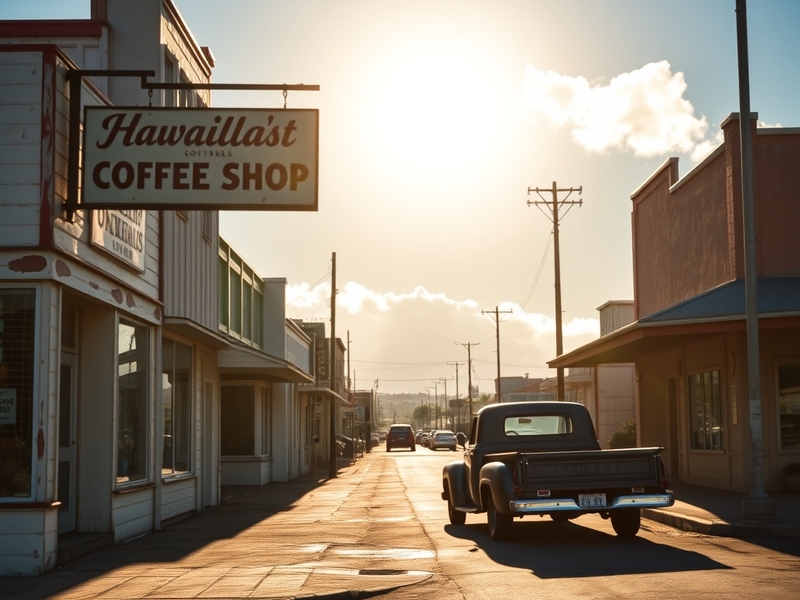
Naalehu’s geography tells a story of resilience and adaptation. The surrounding land is a mix of rugged coastline and rolling pastures, where cattle ranches have operated for generations. The town itself is small—just a few blocks of locally owned shops, a historic movie theater, and a handful of restaurants that serve up some of the island’s best plate lunches. At the heart of it all is Kaʻū Coffee, a locally roasted brand that has earned a cult following among visitors who stumble upon its tasting room.
Cultural preservation is woven into Naalehu’s fabric. The Kaʻū Historical Society operates out of a modest storefront, offering free exhibits on the region’s history, from ancient Hawaiian settlements to the sugar plantation era. The society’s work ensures that the stories of Naalehu’s people—many of whom are descendants of Native Hawaiian, Portuguese, and Filipino immigrants—are not lost to time. The town’s annual Naalehu 4th of July Parade is a testament to this blend of heritage and community spirit, featuring everything from marching bands to poi pounders.
Why Naalehu Matters in Hawaii’s Changing Landscape
Naalehu’s relative isolation isn’t just a quirk of geography; it’s a strategic advantage in an era where overtourism threatens to erode the cultural and environmental integrity of Hawaii’s most popular destinations. As places like Waikiki and Lahaina grapple with the consequences of mass tourism—overcrowding, environmental degradation, and the erosion of local traditions—Naalehu represents a model of sustainable, community-driven tourism.
Consider the numbers. In 2023, Hawaii welcomed over 10 million visitors, many of whom concentrated their time in a handful of areas. Naalehu, by contrast, saw a fraction of that foot traffic. Yet its impact on the local economy is undeniable. Small businesses like Tex’s Drive-In, a beloved burger joint serving up teriyaki burgers and fresh malasadas, rely almost entirely on visitors who are willing to take the road less traveled. The town’s coffee farms, too, have found a niche market among travelers seeking authentic, locally sourced products.
There’s also a deeper, more philosophical reason why Naalehu matters. In a state where the cost of living has skyrocketed and the pace of development often outstrips preservation efforts, Naalehu offers a counterpoint. Its very existence challenges the assumption that Hawaii’s future must be dictated by high-rise hotels and commercialized luaus. Instead, Naalehu suggests that another Hawaii is possible—one where communities retain control over their land, their culture, and their stories.
What Visitors Can Expect When They Arrive
Visiting Naalehu isn’t about checking off a list of attractions; it’s about immersing yourself in an experience. Here’s what travelers who make the detour can look forward to:
- Kaʻū Coffee Mill: A must-visit for coffee enthusiasts, this tasting room offers free samples of its award-winning brews. The mill also sells fresh coffee beans, so you can take a piece of Naalehu home with you.
- Punaluʻu Black Sand Beach: Just a 10-minute drive from town, this beach is one of the few places in Hawaii where you can swim with wild sea turtles. The stark contrast of black sand against the turquoise ocean creates a surreal landscape.
- Hawaii Plantation Village: Located about 20 minutes north of Naalehu, this living history museum showcases the diverse cultures that shaped Hawaii’s plantation era. It’s a short detour but offers a wealth of insight into the island’s past.
- Local Eateries: Tex’s Drive-In is a local institution, but don’t overlook Punaluʻu Bake Shop, famous for its sweet bread and malasadas. For a sit-down meal, try Kaʻū Coffee Mill’s café, where you can enjoy a cup of coffee with a view of the surrounding pastures.
- Stargazing: With minimal light pollution, Naalehu’s night skies are breathtaking. On a clear evening, the Milky Way stretches across the horizon, a reminder of the vastness of the universe—and the smallness of our worries.
One of the most rewarding aspects of visiting Naalehu is the chance to interact with locals. Unlike the transactional nature of many tourist hotspots, conversations in Naalehu often lead to deeper connections. Whether it’s chatting with a coffee farmer about the challenges of sustainable agriculture or swapping stories with a shopkeeper about the town’s history, these moments are where the real magic of Naalehu lies.
The Future of Naalehu: Challenges and Opportunities
Naalehu’s future isn’t guaranteed. Like many rural communities in Hawaii, it faces pressures from gentrification, climate change, and the economic disparities that plague the state. The cost of land is rising, and younger generations are increasingly leaving for educational or career opportunities on Oahu or the mainland. Yet there are also reasons for optimism. Initiatives like the Kaʻū Coffee Festival, which draws visitors from across the island, are helping to put Naalehu on the map in a way that benefits locals first.
There’s also a growing recognition among travelers that Hawaii’s most meaningful experiences aren’t found in its most crowded places. Naalehu’s appeal lies in its ability to offer something intangible—a sense of place, a connection to the land, and a reminder of what makes Hawaii truly special. In an era where social media often dictates travel decisions, Naalehu stands as a quiet rebellion against the algorithm-driven quest for the next viral destination.
For those who visit, the town leaves a lasting impression. It’s not the kind of place you’ll brag about on Instagram with a perfectly staged shot. Instead, it’s the kind of place you’ll remember in the quiet moments—the taste of a perfectly brewed cup of coffee, the warmth of a stranger’s smile, the hum of the trade winds as you drive away, knowing you’ve experienced a Hawaii that few ever will.