Milwaukee’s Weather: A Year-Round Study in Resilience and Adaptation
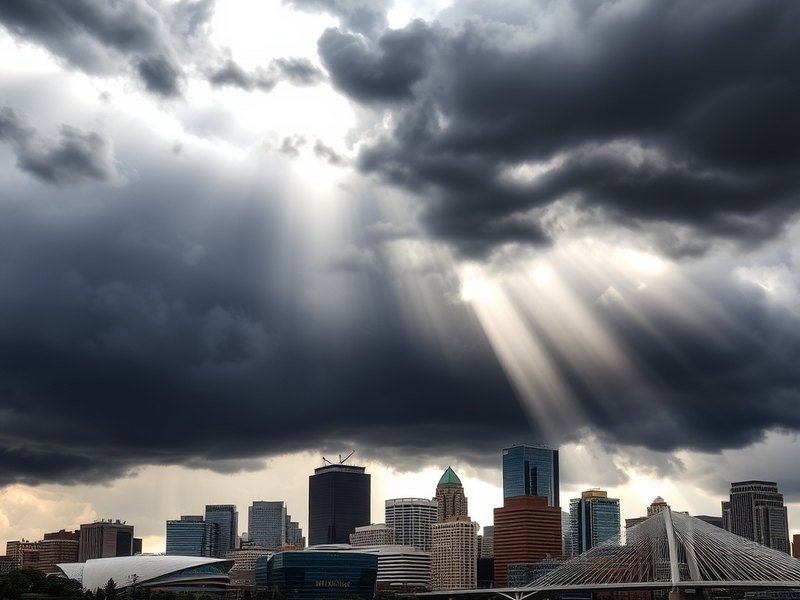
Milwaukee’s weather is not just a local conversation—it’s a reflection of broader climatic trends reshaping urban environments across the Midwest and beyond. With its location on the western shore of Lake Michigan, Milwaukee endures a climate that oscillates between continental extremes: bitter winters where lake-effect snow can bury the city under multiple feet of accumulation, and summers where humidity and heat combine to test even the hardiest residents. This volatility has deep roots in the region’s geography, economic history, and cultural identity.
The city’s relationship with its weather is as old as its founding. German settlers who arrived in the 19th century were quick to adapt, building sturdy homes with steep roofs to shed heavy snow and installing thick stone foundations to insulate against the cold. These architectural choices weren’t just practical—they became part of Milwaukee’s visual heritage, seen today in neighborhoods like Walker’s Point and the Third Ward. Yet, as climate patterns shift globally, Milwaukee is finding itself at the nexus of tradition and transformation.
Winter in Milwaukee is often the season that defines its identity. The city averages over 45 inches of snow annually, with January typically the snowiest month. But what sets Milwaukee apart from other Great Lakes cities is the lake-effect snow that can dump several inches overnight when cold Arctic air collides with the relatively warmer waters of Lake Michigan. This phenomenon isn’t just a meteorological curiosity—it shapes daily life, from traffic patterns to school closures, and even influences local humor, with residents trading stories of snow shoveling marathons and buried cars.
The Global Context: How Milwaukee Mirrors Midwestern Climate Shifts
Milwaukee’s weather is a microcosm of larger climatic trends affecting the Great Lakes region. Studies by the National Oceanic and Atmospheric Administration (NOAA) show that the Midwest is warming faster than the global average, with winters becoming milder and precipitation more erratic. Milwaukee has seen a 15% increase in annual precipitation over the past century, with more of that falling as rain rather than snow. This shift has profound implications for infrastructure, agriculture, and public health.
One of the most visible consequences is the rise in extreme weather events. Milwaukee has experienced a 40% increase in heavy rainfall events since the 1950s, leading to flooding in low-lying areas like the Menomonee River Valley. These changes align with broader patterns observed in cities from Chicago to Minneapolis, where aging stormwater systems struggle to cope with sudden deluges. The city has responded with green infrastructure projects, such as permeable pavements and rain gardens, but the challenge remains daunting.
Globally, Milwaukee’s experience resonates with other port cities facing similar challenges. Like Rotterdam in the Netherlands or Hamburg in Germany, Milwaukee must balance economic vitality with environmental resilience. The city’s proximity to Lake Michigan, once a source of industrial strength, now demands innovative solutions to protect against shoreline erosion and rising water levels. These adaptations are not just technical—they are cultural, reflecting a city’s willingness to evolve while honoring its past.
Cultural Rituals: How Milwaukeeans Embrace (and Mock) the Weather
Weather in Milwaukee isn’t just endured—it’s participated in. From the annual Milwaukee Brewers opening day, traditionally the first home game of the season, to the Polar Plunge on Lake Michigan every New Year’s Day, residents have turned climatic challenges into communal rituals. These events are more than just fun—they’re acts of defiance against the region’s harsh reputation, a way to say, “We own this weather.”
Local media plays a crucial role in this cultural dialogue. Weather forecasts aren’t just reports; they’re performances. Meteorologists like Mark Baden and Jeremy Nelson have become household names, blending technical expertise with a dash of Midwestern humor. Their forecasts often include playful warnings like “grab your snow boots and your sense of humor” or “if you don’t like the weather, wait five minutes.” This tone reflects a broader regional attitude: resilience isn’t about avoiding discomfort, but about facing it together.
Food, too, is shaped by Milwaukee’s weather. Winter demands hearty dishes like bratwurst with sauerkraut, beer cheese soup, and deep-dish pizza, all washed down with locally brewed lagers. Summer brings fish fries, grilled burgers, and frozen custard, served on patios where the lake breeze offers a rare respite from the heat. These culinary traditions are not just about sustenance—they’re about community. A fish fry on a Friday night isn’t just a meal; it’s a social event that brings neighbors together, regardless of the weather outside.
Economic and Environmental Implications: The Cost of Changing Seasons
The economic impact of Milwaukee’s weather is substantial. The tourism industry, particularly around events like Summerfest, the world’s largest music festival, relies heavily on predictable weather patterns. A rainy summer can mean millions in lost revenue, while a mild winter can boost attendance at indoor attractions like the Milwaukee Art Museum or the Harley-Davidson Museum.
Transportation is another sector deeply affected by the weather. Milwaukee’s public transit system, operated by the Milwaukee County Transit System, often faces disruptions during heavy snowfall, leading to delays and increased costs for maintenance. The city’s Department of Public Works spends over $10 million annually on snow removal, a figure that fluctuates with the severity of each winter. Yet, this investment is crucial. A single major snowstorm can paralyze the city, stranding commuters and disrupting businesses.
Environmentally, the city is at a crossroads. The warmer winters have led to an increase in tick and mosquito populations, raising public health concerns. Meanwhile, the loss of ice cover on Lake Michigan—down by 25% since the 1970s—affects aquatic ecosystems and local fishing industries. These changes are prompting Milwaukee to rethink its environmental policies, from expanding tree canopy coverage to investing in renewable energy sources like wind and solar.
One of the most ambitious projects is the Milwaukee Shoreline Restoration Plan, which aims to stabilize eroding bluffs and create new green spaces along the lakefront. The plan includes restoring wetlands, which act as natural buffers against storm surges, and planting native vegetation to combat invasive species. These efforts are not just about aesthetics—they’re about securing Milwaukee’s future in a changing climate.
Looking Ahead: What’s Next for Milwaukee’s Weather?
As Milwaukee faces the 21st century, its weather will continue to evolve. Climate models predict that by 2050, the city could experience summers with 20% more days above 90°F, while winters may bring 30% less snowfall. These changes will require a shift in mindset, from reactive measures like snow plows and sandbags to proactive strategies like heat-resilient urban design and floodplain management.
Yet, Milwaukee’s history suggests it is up to the challenge. The city has always been a place of innovation, from its brewing heritage to its leadership in water technology. Today, Milwaukee is home to the Global Water Center, a hub for research and development in water sustainability. This focus on water—not just as a resource but as a defining feature of the city—could position Milwaukee as a leader in climate adaptation.
The city’s weather, with all its unpredictability, is a constant reminder of nature’s power and humanity’s resilience. It shapes the rhythm of life here, from the first snowfall in November to the last ice cream truck of September. It fosters a sense of community, a shared understanding that whatever the forecast, Milwaukeeans will face it together. In an era where climate change often feels overwhelming, Milwaukee offers a lesson in adaptation—one season at a time.