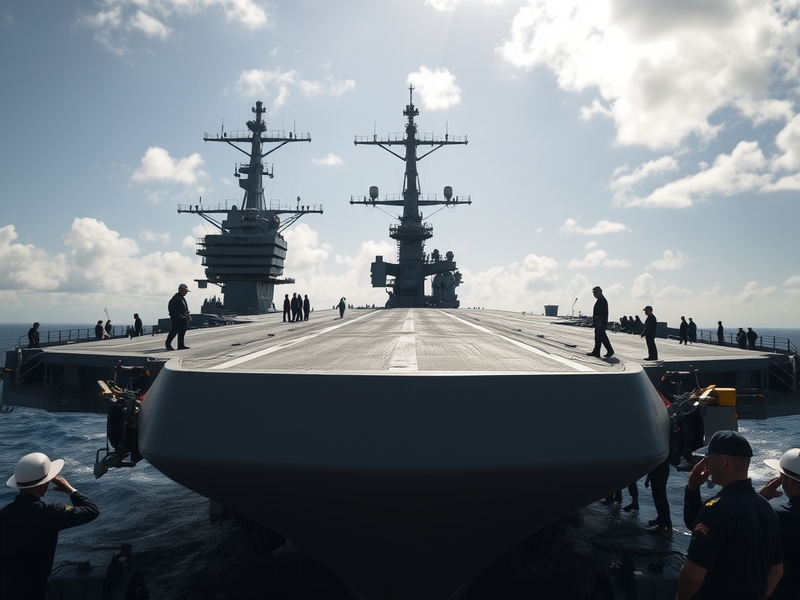
The USS Abraham Lincoln, a nuclear-powered aircraft carrier, has long stood as a symbol of American naval might and strategic flexibility. When conditions aboard the carrier come under scrutiny, they reveal much about the broader challenges faced by the U.S. Navy in maintaining operational readiness, crew morale, and technological edge. Recent reports about living conditions, maintenance backlogs, and operational tempo on the Lincoln have sparked discussions far beyond the deckplates. These issues are not isolated incidents; they reflect systemic pressures on the fleet, from aging infrastructure to evolving global threats.
Conditions Aboard the USS Abraham Lincoln: What Recent Reports Reveal
In early 2024, the U.S. Navy released a partially redacted inspection report highlighting several areas of concern aboard the USS Abraham Lincoln. The carrier, commissioned in 1992, has undergone numerous deployments, including extended operations in the Pacific and Middle East. The report cited issues such as outdated berthing spaces, ventilation problems in crew compartments, and delays in critical maintenance due to supply chain constraints. While the Navy emphasized that the ship remains mission-capable, the inspection underscored the cumulative strain of decades of service.
According to insider accounts and naval watchdog reports, some crew members have described cramped living conditions, with up to 100 sailors sharing berthing areas originally designed for 60. These reports align with broader trends across the fleet, where aging ships are being pushed to perform at levels beyond their original design specifications. The Lincoln’s deployment schedule has also intensified, with shorter turnaround times between patrols—a factor that contributes to fatigue and maintenance shortfalls.
Commanders aboard the Lincoln have pushed back, arguing that the carrier remains fully operational and that many concerns stem from outdated standards rather than actual threats to readiness. Rear Admiral Robert Nowakowski, commander of Carrier Strike Group 3, stated in a press briefing that the ship’s operational performance during recent exercises validated its combat readiness. Still, the debate over conditions aboard the USS Abraham Lincoln raises broader questions about the sustainability of the Navy’s current operational model.
How Aging Infrastructure and Deployment Cycles Impact Readiness
The USS Abraham Lincoln is one of 11 active Nimitz-class carriers, each designed for a 50-year service life. However, the realities of extended deployments and delayed maintenance have accelerated wear on critical systems. The carrier’s nuclear reactors, while robust, are not immune to the effects of prolonged use. A 2023 Government Accountability Office report noted that the Navy’s backlog of deferred maintenance across the fleet had grown to over $10 billion, with the Lincoln among the ships facing the highest priority repairs.
One of the most pressing concerns is the impact on crew welfare. A 2022 survey by the Government Accountability Office found that 42% of sailors reported dissatisfaction with living conditions on deployed carriers, citing factors like poor air quality, noise, and limited personal space. These conditions are not merely inconveniences; they can erode morale and retention, particularly as younger sailors weigh the demands of naval service against opportunities in the civilian sector. The Navy has responded with initiatives like the Fleet Readiness Training Plan, aimed at improving habitability standards, but critics argue that these measures are reactive rather than preventive.
Another critical factor is the carrier’s role in a shifting global security environment. The Lincoln has been a key platform for projecting U.S. power in the Pacific, countering Chinese naval expansion, and responding to crises in the Middle East. However, the demands of these missions often clash with the carrier’s physical limitations. For example, extended operations in the South China Sea have required the crew to adapt to high heat and humidity, straining air conditioning systems and increasing the risk of heat-related illnesses. These environmental challenges are compounded by the logistical hurdles of resupplying a carrier at sea, where even minor delays can cascade into major operational setbacks.
Broader Implications for U.S. Naval Strategy and Future Fleet Plans
The challenges facing the USS Abraham Lincoln are emblematic of larger strategic dilemmas for the U.S. Navy. The fleet is at a crossroads, balancing the need to maintain legacy platforms like the Nimitz-class carriers while investing in next-generation systems such as the Gerald R. Ford-class carriers and unmanned surface vessels. The Ford-class, designed to address some of the Nimitz-class’s shortcomings, promises improved automation, advanced radar systems, and enhanced crew comfort. However, its development has been plagued by cost overruns and technical delays, leaving the Navy reliant on aging carriers like the Lincoln for the foreseeable future.
There is also the question of whether the Navy’s current operational model is sustainable. The Nimitz-class carriers were designed for a deployment cycle of 6-8 months followed by 18-24 months of maintenance. Today, many carriers are deployed for 9-12 months with maintenance periods shortened to meet operational demands. This compressed cycle has led to what naval analysts call “readiness fatigue,” where ships and crews are stretched thin, increasing the risk of breakdowns or diminished combat effectiveness. The USS Abraham Lincoln itself has seen its maintenance windows reduced by nearly 30% over the past decade.
The Navy has acknowledged these strains and has begun implementing reforms. In 2023, the service announced a new readiness initiative aimed at restoring balance between deployment tempo and maintenance. Key elements of the plan include:
- Increasing the number of ships in extended maintenance to address deferred repairs.
- Expanding the use of predictive maintenance technologies to identify and fix issues before they become critical.
- Improving crew retention through better living conditions and career incentives.
- Accelerating the procurement of the next-generation Ford-class carriers to reduce reliance on older platforms.
Yet, these reforms will take years to bear fruit. In the meantime, the USS Abraham Lincoln and her sister ships remain the backbone of America’s naval power. Their ability to operate effectively in an era of great-power competition will depend not just on their technological capabilities, but on the resilience and morale of their crews.
The Human Element: Voices from the Deckplates
While official reports and strategic analyses provide a high-level view of the USS Abraham Lincoln’s challenges, the human stories behind the data are equally compelling. Interviews with sailors and officers aboard the Lincoln paint a nuanced picture of life on the carrier. For many, the ship is a second home—a place of camaraderie and purpose. For others, it represents the harsh realities of modern naval service: long hours, limited privacy, and the ever-present pressure to perform.
One sailor, who requested anonymity due to Navy regulations, described the berthing areas as “closer to a college dorm than a warship.” He noted that the lack of personal space, combined with the noise and vibration from the ship’s engines, made restful sleep nearly impossible. “You get used to it,” he said. “But it’s not something you’d choose if you had other options.”
Officers, meanwhile, emphasize the pride and professionalism of the crew. Captain Amy Bauernschmidt, the first woman to command a U.S. aircraft carrier, has spoken openly about the importance of fostering a supportive environment aboard the Lincoln. Under her leadership, the ship has implemented initiatives like mental health resources and crew mentorship programs. These efforts are critical, as studies have shown that sailors who feel valued and supported are more likely to remain in the service and perform at their best.
The USS Abraham Lincoln’s story is far from over. As the Navy grapples with the dual challenges of maintaining its current fleet and preparing for the future, the carrier serves as both a symbol of endurance and a cautionary tale. Its experiences underscore the need for investment—not just in ships and weapons, but in the people who crew them. For the Lincoln and her crew, the road ahead is long, but the mission remains clear: to ensure that when the call comes, America’s carriers are ready to answer.