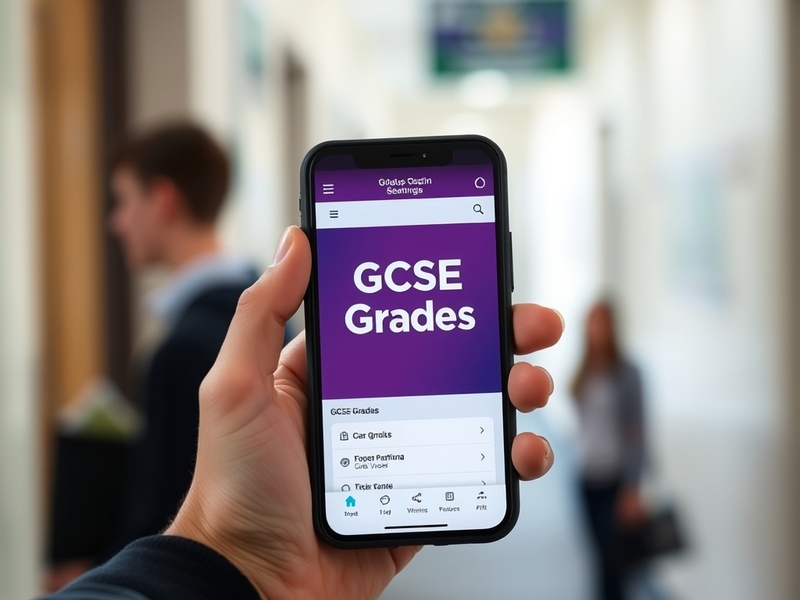
GCSE grades have long dictated the next steps for students in the UK, shaping academic trajectories and career aspirations. With the rise of digital tools, an app called GradeMaster is emerging as a game-changing resource for students navigating the pressures of GCSE exams. Unlike traditional revision guides, this app leverages real-time data analytics and adaptive learning to personalize study plans, helping users focus on their weakest areas while reinforcing strengths. But does it live up to the hype, and how might it reshape the way students prepare for one of education’s most critical milestones?
How the GCSE Grades App Works
The app’s core functionality centers on its adaptive learning algorithm, which analyzes a student’s past exam performance and identifies patterns in their mistakes. After each practice test, the app adjusts the difficulty of subsequent questions, ensuring that users are consistently challenged without becoming overwhelmed. This dynamic approach contrasts sharply with static revision guides, which often fail to address individual learning gaps.
Key features include:
- Real-time progress tracking: Students can monitor their improvement across different subjects and topics, receiving instant feedback on their performance.
- Customizable study schedules: The app allows users to set daily or weekly goals, integrating seamlessly with their existing commitments.
- Interactive flashcards and quizzes: These tools are designed to reinforce memory retention, using spaced repetition techniques proven to enhance long-term recall.
- Peer comparison tools: Students can benchmark their progress against anonymized data from other users, adding a competitive edge to their preparation.
Critics argue that such apps risk reducing education to a numbers game, where success is measured solely by grades rather than holistic understanding. However, proponents counter that the app’s data-driven approach empowers students to take control of their learning, fostering independence and self-awareness.
The Broader Implications for Education
The introduction of apps like GradeMaster reflects a broader shift in how education is being delivered and consumed. Traditional classroom learning is increasingly supplemented—or even supplanted—by digital tools that promise efficiency and personalization. This trend raises important questions about equity, accessibility, and the role of technology in shaping young minds.
One of the most significant implications is the potential to democratize high-quality revision resources. Not all students have access to private tutors or expensive study materials, but an app like this can level the playing field by providing tailored support at minimal cost. However, this also highlights a digital divide: students without reliable internet access or devices may find themselves at a disadvantage, exacerbating existing inequalities in education.
Another concern is the commercialization of education. Many of these apps operate on a freemium model, where basic features are free but advanced tools require payment. While this makes them accessible to a wider audience, it also raises ethical questions about whether education should be treated as a marketable product. The pressure to perform well in exams is already intense; adding financial barriers to effective preparation could further marginalize vulnerable students.
Comparing GradeMaster to Traditional Revision Methods
To understand the app’s potential impact, it’s worth comparing it to traditional revision methods. Textbooks and past papers remain staples in GCSE preparation, offering familiarity and structure. However, they lack the interactivity and adaptability that digital tools provide. For example, a student using a textbook must manually check their answers and seek additional resources for explanations, a process that can be time-consuming and inefficient.
The app streamlines this process by automating feedback and providing instant explanations for incorrect answers. This not only saves time but also reduces the frustration of encountering the same mistakes repeatedly. Additionally, the app’s use of gamification—such as reward systems for completing study goals—can make revision more engaging, particularly for students who struggle with motivation.
That said, traditional methods still hold value. The tactile experience of writing notes or the deep focus required for reading a textbook can foster a different kind of learning, one that digital tools may not fully replicate. The ideal approach might be a hybrid model, where students use both apps and traditional resources to maximize their preparation.
What the Future Holds for GCSE Revision Apps
The success of apps like GradeMaster suggests that digital tools will play an increasingly prominent role in education. As artificial intelligence and machine learning advance, these apps could become even more sophisticated, offering hyper-personalized learning experiences that adapt in real time to a student’s emotional and cognitive state. Imagine an app that detects stress levels through typing patterns or voice analysis and adjusts its approach accordingly—pausing for breaks or switching to lighter content when needed.
However, the future of these apps will also depend on how educators and policymakers respond. Will schools integrate them into their curricula, or will they remain supplementary tools? Could they eventually replace traditional exams, given their ability to track progress continuously? These are complex questions that will require careful consideration as technology continues to evolve.
For now, apps like GradeMaster represent a promising step forward in making GCSE preparation more accessible and effective. They offer a glimpse into a future where education is not just standardized but truly personalized. As long as they are used thoughtfully—and with an eye toward equity—they could become invaluable allies in the pursuit of academic success.
For students looking to explore more resources, check out our Education and Technology categories, where we cover the latest tools and trends shaping learning in the digital age.