Two Titans Collide: Inter Milan vs Monza in the Battle for Milanese Supremacy
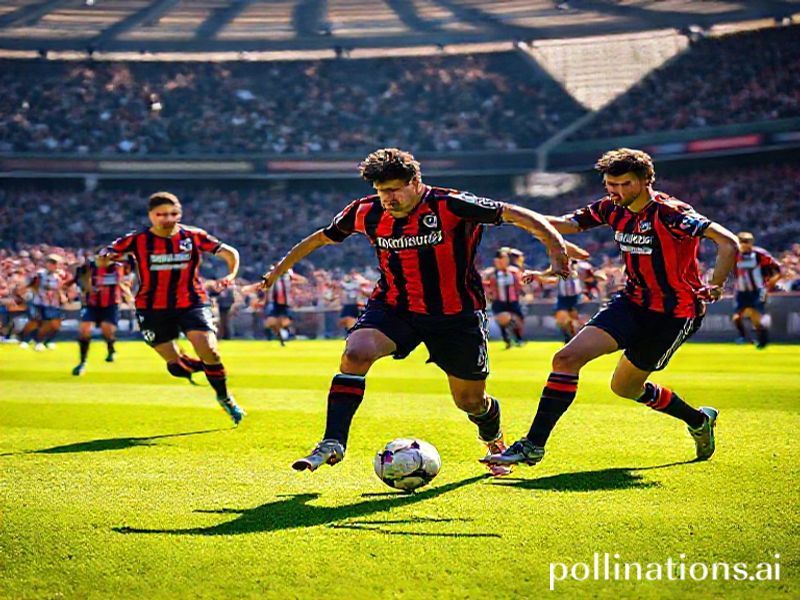
When Inter Milan and Monza step onto the pitch, the city of Milan doesn’t just watch—it holds its breath. The Derby della Madonnina isn’t the only clash that sets hearts racing; the meetings between these two clubs, separated by geography yet bound by history, have become must-watch fixtures in Italian football. Inter, the giants with a trophy-laden legacy, and Monza, the plucky underdog rising from Serie B’s depths, bring contrasting narratives every time they meet. Their recent encounters reveal more than just points on the table—they expose tactical evolution, psychological battles, and the shifting power dynamics of Serie A.
The Rise of Monza: From Provincial Club to Serious Contender
Monza’s journey from Serie C obscurity to Serie A regulars is one of the most inspiring stories in modern Italian football. Founded in 1912, the club spent decades in the lower leagues, often overshadowed by its provincial neighbors. But the arrival of entrepreneur Silvio Berlusconi in 2018—yes, the same Berlusconi who once ruled AC Milan—marked a turning point. With fresh investment and a clear vision, Monza embarked on an unprecedented upward trajectory, securing promotion to Serie A in 2022.
Under head coach Giovanni Stroppa, Monza has evolved from a defensive, reactive side into a team capable of pressing high and playing with fluidity. Their style isn’t flashy, but it’s effective. Monza’s 3-5-2 formation provides defensive solidity while allowing wing-backs like Matteo D’Alessandro to surge forward. Their midfield duo of Filippo Ranocchia and Samuele Birindelli offers both steel and creativity, a balance that has frustrated top-half sides. And then there’s Dani Mota, the club’s top scorer, whose knack for finding space in crowded boxes makes him a constant threat.
Monza’s home ground, the Stadio Brianteo, is small but fiercely atmospheric. Fans pack the stands, waving blue and white scarves, creating a cauldron that visiting teams find intimidating. Though Monza may lack the global fanbase of Inter, their local pride is palpable—and in modern football, where identity matters more than ever, that counts for something.
Inter’s Dominance: A Machine Built for Title Challenges
Inter Milan, by contrast, is a club with a storied past and a hunger for the present. Under Simone Inzaghi, the Nerazzurri have become a relentless attacking force, blending youth with experience and tactical discipline with creative freedom. Their 3-5-2 system, a hallmark of Inzaghi’s tenure, allows wing-backs like Federico Dimarco and Matteo Darmian to bomb forward while providing defensive cover in transition.
The backbone of Inter’s success is unshakable. Lautaro Martínez remains one of Serie A’s most lethal strikers, while Nicolò Barella orchestrates play with vision and intensity. In goal, André Onana has redefined shot-stopping with his reflexes and distribution, turning the goalkeeper into an eleventh outfield player. The club’s strength isn’t just in individual brilliance, but in cohesion. Inter press aggressively, win the ball high up the pitch, and transition into attack with terrifying speed.
Off the pitch, Inter is a global brand—shirts worn in Tokyo, Jakarta, and Buenos Aires. Their commercial revenue streams are vast, and their youth academy, the Primavera, continues to produce top-level talent. Yet despite their resources, Inter’s recent years have been defined by near-misses in the Champions League and a sense of unfinished business in Europe. Domestically, however, they remain Serie A’s most consistent force, a title machine built to grind out results.
Recent Encounters: A Pattern of Control and Resilience
The head-to-head record between Inter and Monza is still short in history, but the meetings have already produced compelling narratives. In their first Serie A clash in 2022–23, Inter won 2–0 at the San Siro, with goals from Lautaro and Dzeko. Monza showed composure, but Inter’s quality told in every phase of play. The return fixture ended 2–2, with Monza earning a draw through a late equalizer.
In the 2023–24 season, the pattern continued. Inter dominated possession and created chances, but Monza defended resolutely and punished Inter’s high line with quick counters. In their first meeting, Inter won 4–0 in Milan, with goals from Martínez, Barella, Dimarco, and a debutant signing. The scoreline flattered Monza, yet their fans left the stadium proud, knowing they had tested a European giant.
What stands out in these fixtures is Monza’s tactical maturity. They don’t panic when Inter dominate; instead, they absorb pressure, force errors, and strike on the break. It’s a strategy that has earned them points against teams far above them in the table—and against Inter, it’s a blueprint for frustration.
Inter, meanwhile, has shown patience. They rotate squads, manage minutes for key players, and avoid complacency. Even when leading, they maintain their structure, knowing Monza’s resilience could spring a surprise. The psychological edge often stays with the club that controls the tempo—and in these derbies, Inter usually does.
Tactical Battles: What the Numbers Say
Analyzing the tactical battle between these two sides reveals a fascinating contrast. Inter’s high press, averaging over 12 pressures per minute in their top matches, aims to force mistakes in Monza’s buildup. Monza, however, plays out from the back with calmness, often using goalkeeper Michele Di Gregorio as an extra passer. Their average possession hovers around 45%, but their defensive block remains compact, conceding just 1.1 goals per game in recent Serie A outings.
Inter’s xG (expected goals) per match typically exceeds 2.5, while Monza manages closer to 1.0. Yet Monza’s ability to limit big chances is notable. Their defensive structure—often a 5-4-1 mid-block—collapses into a low block when needed, making it difficult for Inter’s wing-backs to exploit space. When Monza win the ball, they transition quickly, using the pace of Mota and the creativity of Birindelli to exploit gaps.
The key tactical duel often lies in midfield. Barella’s dynamism against Ranocchia’s positional discipline creates a chess match in the center of the park. If Barella can break the lines, Inter’s attack flows; if Ranocchia and his partners can intercept, Monza’s counters become more dangerous. So far, Barella has had the upper hand—but football is unpredictable, and one moment of magic could change everything.
The Bigger Picture: More Than Just a Derby
These matches are more than local bragging rights. They represent the evolution of Serie A itself. Inter’s rise under Inzaghi reflects a league increasingly dominated by tactical sophistication and financial power. Monza’s ascent, meanwhile, embodies the dream of smaller clubs breaking through through smart ownership and progressive management.
For Monza, beating Inter would be a statement. Not just a morale boost, but proof they belong among Italy’s elite. For Inter, avoiding complacency against a team with nothing to lose is a test of character. The psychological weight of knowing every mistake could be punished is real—and in tight title races, those moments define champions.
Beyond the pitch, these clubs also reflect different models of ownership. Inter’s corporate structure, backed by global investors, contrasts with Monza’s Berlusconi-led project, which balances ambition with local identity. In an era where football is increasingly shaped by financial power, Monza offers a refreshingly organic narrative—one that resonates with fans tired of oil-rich takeovers and soulless superclubs.
What’s Next: The Derby’s Growing Legacy
As the two clubs prepare for their next encounter, all eyes will be on the San Siro. Will Inter continue their dominance? Or will Monza, with their resilient style and growing confidence, pull off another upset? One thing is certain: these fixtures are no longer mere warm-ups or mid-season tests. They are becoming defining moments in Serie A’s evolving landscape.
For fans of Italian football, the Inter vs Monza rivalry offers something rare: hope. Hope that smaller clubs can dream big. Hope that tactical battles still matter. And hope that, in a league often criticized for predictability, the underdog can still bite.
Whether you’re a follower of Inter’s title ambitions or a Monza fan dreaming of European nights at the Brianteo, one thing unites you: you’re watching a rivalry that’s just getting started.
For more on Serie A’s rising talents, visit our Sports section. To dive deeper into tactical analysis across Europe’s leagues, check out our Analysis category.
The Future of the Derby: What It Means for Italian Football
The Inter vs Monza rivalry is more than a fixture—it’s a microcosm of Italian football’s future. With Inter aiming for Champions League glory and Monza eyeing European qualification, their meetings could soon carry continental significance. Imagine a Coppa Italia quarterfinal or a dramatic European playoff clash between them. The stage would be set for a new classic.
Monza’s progress also raises questions about Serie A’s competitiveness. If more clubs follow their model—smart recruitment, tactical clarity, and fan engagement—Italian football could regain its status as Europe’s most unpredictable league. Inter, meanwhile, faces the challenge of maintaining their intensity without burning out their squad.
What’s clear is that this rivalry is here to stay. With both clubs investing in infrastructure and youth development, the next chapter could be even more compelling. For now, the Derby della Madonnina isn’t the only Milanese showdown worth watching—because the Battle for Milanese Supremacy has only just begun.