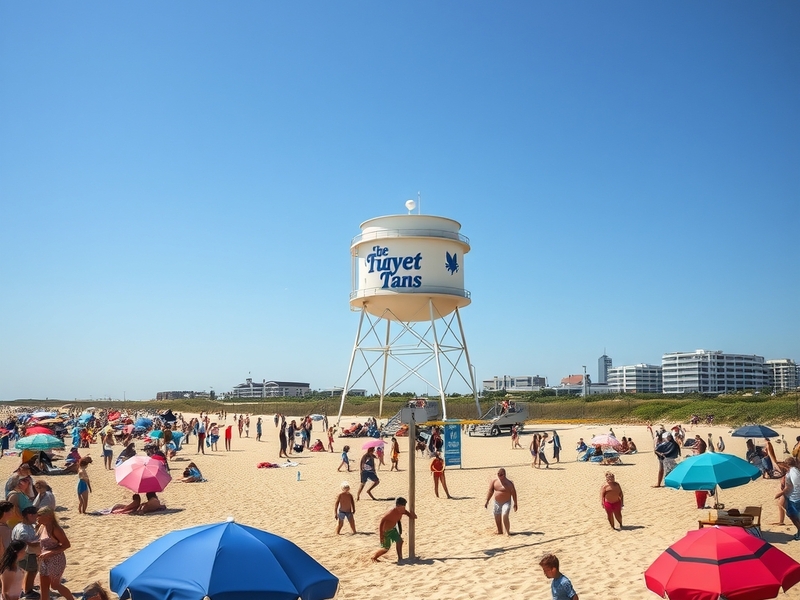
Labor Day Weekend 2026 arrives on the first Monday of September, offering a four-day reprieve from routine for millions of Americans. The holiday, traditionally observed on the first Monday in September, traces its origins to the late 19th century labor movement, when workers fought for fair wages and safer conditions. By 2026, it has evolved into one of the year’s most anticipated long weekends—a time for barbecues, road trips, and last-minute summer getaways. Yet beyond the backyard gatherings and beach bonfires, Labor Day Weekend carries deeper economic, cultural, and social significance. It’s a moment to reflect on labor rights, celebrate community, and mark the unofficial end of summer.
Why Labor Day Weekend Matters More Than Just a Day Off
Labor Day Weekend isn’t just about a three-day holiday. It’s a cultural inflection point that signals shifts in consumer behavior, travel patterns, and retail cycles. For retailers, it kicks off the fall shopping season, with back-to-school sales giving way to Labor Day discounts on everything from mattresses to appliances. According to the National Retail Federation, the holiday weekend typically draws over 160 million shoppers, making it one of the busiest retail periods of the year. Meanwhile, the travel industry braces for one of its busiest weekends, with the Transportation Security Administration projecting over 17 million air travelers between Friday and Monday.
But the weekend’s significance runs deeper. It’s a public acknowledgment of the American workforce’s contributions—from teachers and nurses to factory workers and gig economy drivers. While Labor Day has lost much of its original political edge in mainstream observance, labor unions and advocacy groups continue to use the weekend to spotlight ongoing struggles for fair wages, workplace safety, and equitable treatment. For many, the holiday serves as a quiet reminder: the right to rest wasn’t handed out freely. It was fought for—and still is, in warehouses, hospitals, and delivery vans across the country.
This dual identity—celebration and advocacy—makes Labor Day Weekend uniquely layered. In 2026, as remote and hybrid work continue to reshape the labor landscape, the holiday may take on new meaning. Will the rise of flexible schedules dilute the importance of a shared day off? Or will it amplify calls for universal paid leave and better work-life boundaries? The answers will unfold not just in policy debates, but in how families, communities, and businesses choose to observe the weekend.
Top Travel and Leisure Trends for Labor Day Weekend 2026
Planning ahead for Labor Day Weekend 2026 means understanding where Americans are heading—and why. Travel trends reflect broader cultural shifts: sustainability, experiential tourism, and convenience are driving decisions. Airbnb’s 2025 travel report indicates a 22% increase in bookings for “workations” during holiday weekends, as digital nomads blend leisure with remote work. Meanwhile, national parks like Yellowstone and Great Smoky Mountains are seeing record demand for camping and cabin rentals, as travelers seek nature-based escapes over crowded cities.
Domestic road trips remain a cornerstone of the holiday, with routes like Pacific Coast Highway, Blue Ridge Parkway, and Route 66 drawing record crowds. AAA projects over 43 million Americans will travel by car during the weekend in 2026, a 4% increase from 2025. The rise of electric vehicles adds a new twist: charging infrastructure along scenic routes is becoming a key factor in route selection. Tesla’s Supercharger network, now spanning over 50,000 global sites, is expected to play a major role in enabling longer EV road trips.
Urban destinations are also reaping rewards. Cities like Nashville, Austin, and Portland are marketing themselves as “end-of-summer festivals” with pop-up concerts, food festivals, and late-night outdoor cinema. These events attract younger crowds who prioritize experiences over traditional vacations. According to Eventbrite data, attendance at urban festivals over Labor Day Weekend has grown 35% since 2020, fueled by social media trends and the desire for shareable moments.
Yet challenges persist. Rising gas prices, flight delays, and overcrowding at popular destinations are prompting travelers to book earlier and plan more carefully. The “last-minute getaway” mentality is fading, replaced by intentional itineraries that balance spontaneity with practicality. For event organizers and hospitality brands, the lesson is clear: convenience, sustainability, and authenticity are no longer optional—they’re expected.
Key Travel Trends for Labor Day Weekend 2026
- EV Road Trips: Electric vehicle-friendly routes will see increased traffic, with charging stations becoming a deciding factor for route planning.
- Workations: Blending remote work with leisure travel, especially among Gen Z and millennials, is expected to surge by 25%.
- National Parks: Camping and cabin rentals remain top choices, with advance reservations required months in advance.
- Urban Festivals: Cities are curating immersive experiences, from rooftop yoga to silent discos in public parks.
- Sustainable Travel: Carbon-offset programs and eco-certified accommodations are becoming standard expectations.
The Economic Ripple Effect of a Three-Day Weekend
The financial impact of Labor Day Weekend extends far beyond the barbecue aisle. According to Oxford Economics, the holiday injects over $20 billion into the U.S. economy annually through travel, dining, and retail. In 2026, that figure is projected to rise by 6%, driven by inflation-adjusted spending and pent-up demand for experiences. Restaurants, bars, and food trucks see a 40% spike in sales, while outdoor gear retailers like REI and Bass Pro Shops report triple-digit increases in camping and grilling equipment.
But the economic story isn’t uniform. While coastal cities and tourist hotspots thrive, rural communities and small businesses often struggle to capture a meaningful share of the holiday’s spending. A 2025 study by the Small Business Administration found that only 12% of Labor Day revenue flows to businesses located outside major metropolitan areas. This disparity highlights a growing divide in how Americans spend their leisure time—and money.
The rise of “revenge spending” post-pandemic has also reshaped holiday economics. After years of delayed travel and restricted socializing, consumers are prioritizing experiences over savings. Hotels.com reports that average nightly rates during Labor Day Weekend 2025 were up 18% from 2019 levels. In 2026, with inflation stabilizing but still elevated, travelers are expected to remain selective, focusing on value and flexibility. Cancellation policies, refundable rates, and bundle deals will be key differentiators for booking platforms.
Labor Day Weekend also serves as a barometer for the broader economy. Retailers closely watch back-to-school performance to forecast holiday sales trends. Weak Labor Day sales often signal caution among consumers heading into the fourth quarter. Conversely, strong performance can boost investor confidence and retail hiring plans. The 2026 weekend will be closely scrutinized not just for its sales numbers, but for what they reveal about consumer confidence in an election year.
Labor Day in 2026: A Holiday at the Crossroads
As Labor Day Weekend 2026 approaches, the holiday stands at an intersection of tradition, innovation, and social change. On one hand, it remains a cherished cultural ritual—a chance to gather with family, enjoy the final days of summer, and savor the slow rhythm of a long weekend. On the other, it reflects the evolving nature of work, leisure, and community in a digitally connected world.
The rise of flexible work arrangements has blurred the lines between labor and rest. Remote workers may log in from a beach house in North Carolina or a mountain cabin in Colorado, turning what was once a clear demarcation between work and leisure into a more fluid experience. While this flexibility is celebrated by many, it also risks eroding the shared cultural experience of a collective day off. When everyone works on their own schedule, does the meaning of a holiday change?
For younger generations, Labor Day Weekend carries additional weight. Gen Z and millennials, who entered the workforce during or after the pandemic, view holidays through a different lens. They prioritize mental health, work-life balance, and sustainability—values that often clash with traditional holiday marketing and corporate messaging. Brands that align with these values—offering eco-friendly products, flexible cancellation policies, or community-focused events—are likely to resonate more deeply.
Ultimately, Labor Day Weekend 2026 will be defined not just by where Americans go or what they buy, but by how they choose to observe the holiday. Will it be a moment of rest, reflection, and connection? Or will it become another commercialized milestone in a relentless calendar of consumption? The answer may depend on whether we remember the holiday’s roots—and whether we’re willing to fight for its future.
One thing is certain: the weekend will arrive, the traffic will be heavy, and the grills will be fired up. But the spirit of the holiday will be up to us.