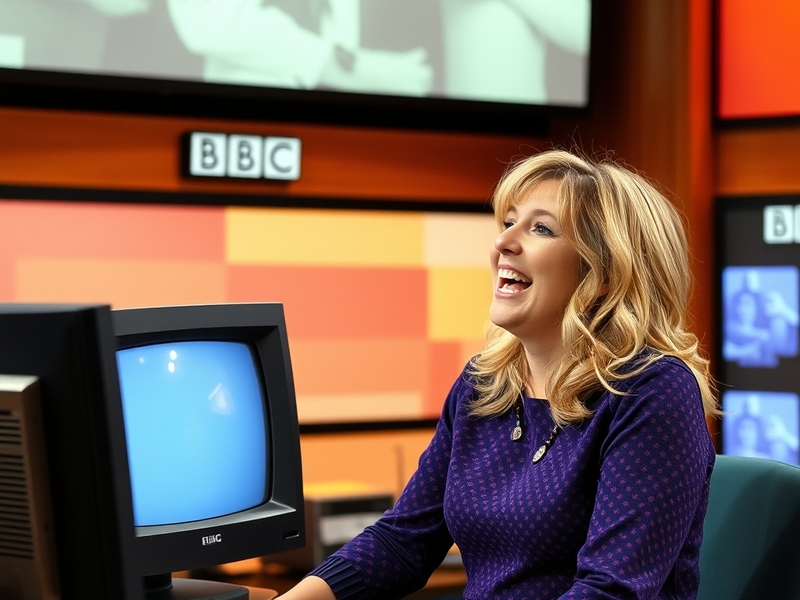
Gaby Roslin’s career spans three decades of British television, marked by her sharp wit, infectious energy, and an uncanny ability to connect with audiences. Best known for co-hosting The Big Breakfast in the 1990s, she became a household name long before social media influencers dominated the cultural landscape. Today, Roslin remains a versatile presence across radio, podcasting, and live events, proving that adaptability is the key to longevity in entertainment.
Her appeal isn’t just nostalgia-driven. Roslin has consistently reinvented herself, transitioning from morning TV royalty to a respected voice in lifestyle journalism and mental health advocacy. This evolution reflects broader shifts in media consumption, where authenticity often trumps traditional celebrity. Yet her enduring popularity suggests something deeper: a genuine connection to her audience.
From Early Beginnings to Breakfast TV Stardom
Born Gabrielle Roslin in 1964, she grew up in north London with a passion for performance. After studying drama at the prestigious Mountview Academy of Theatre Arts, she cut her teeth in theatre and small TV roles before landing her first major break. In 1992, at age 27, she was chosen to co-host Channel 4’s The Big Breakfast, a revolutionary morning show that blended chat, music, and quirky segments. The chemistry between Roslin and co-host Chris Evans became the heart of the program, making it a cultural touchstone for a generation.
The show’s unscripted, chaotic energy was a far cry from the polished news formats of the time. Roslin’s role wasn’t just as a presenter—she was a confidante, a comedian, and a cultural commentator all at once. Her ability to read the room, whether with celebrities or ordinary guests, set her apart. By the mid-90s, The Big Breakfast was drawing millions of viewers daily, cementing Roslin’s status as a TV icon.
But fame in the 90s was a double-edged sword. The constant scrutiny took a toll. In interviews over the years, Roslin has spoken openly about the pressures of early celebrity, including body image issues and the challenge of maintaining privacy. Her willingness to discuss these struggles publicly has only strengthened her relatability, especially among women who grew up watching her.
The Reinvention: Radio, Podcasts, and Advocacy
After leaving The Big Breakfast in 1997, Roslin faced a crossroads. The television landscape was changing, and the era of live, unscripted morning TV was fading. Rather than retreat, she pivoted—first to radio, then to digital platforms, each time finding new ways to engage audiences. Her radio career includes stints on BBC Radio 5 Live and talkSPORT, where her sharp interviewing style and quick wit shone.
In recent years, she has embraced podcasting, a medium that aligns perfectly with her conversational strengths. Shows like Gaby’s Good Stuff showcase her curiosity about human stories, from unsung heroes to cultural quirks. Podcasting also gave her a platform to discuss topics close to her heart, particularly mental health. Having openly shared her own experiences with anxiety, Roslin has become an advocate for destigmatizing mental health issues, especially among women over 40.
Her advocacy isn’t performative. In 2021, she partnered with the mental health charity Mind to launch a campaign encouraging women to talk openly about their struggles. The initiative, titled “Let’s Talk About It,” featured real stories from listeners and viewers, blending personal narrative with public awareness. It’s a testament to how Roslin uses her platform—not just for entertainment, but for meaningful change.
On Screen Today: Authenticity and Longevity
While Roslin no longer anchors a daily TV show, she remains a familiar face on screens across the UK. She has guested on programs like Loose Women, where her quick humor and grounded perspective resonate with a daytime audience. Her appearances are never flashy; instead, they feel like catching up with a trusted friend who happens to be in the know.
One of her most notable recent roles is as a judge on Britain’s Got Talent, where her sharp critiques and warm encouragement have won praise from both contestants and viewers. The role highlights another aspect of her career: her ability to balance warmth with authority. In an era where authenticity is currency, Roslin’s decades of experience give her a credibility that younger influencers often lack.
Her social media presence, though selective, reinforces this image. Unlike many celebrities who curate every aspect of their online lives, Roslin shares real, unfiltered moments—whether it’s a candid photo from a family holiday or a thoughtful reflection on societal pressures. It’s a strategy that feels deliberate yet organic, a nod to the fact that audiences today crave realness over perfection.
The Business of Being Gaby Roslin
Roslin’s career longevity isn’t accidental. It’s the result of strategic choices, from diversifying her income streams to building a brand rooted in authenticity. She has authored books, including the 2018 memoir It’s Not Easy Being Gaby, which blends humor with vulnerability. The book became a bestseller, proving that audiences still value well-written celebrity memoirs when they offer substance.
She has also lent her name to brands, though selectively. Unlike many stars who endorse anything for a paycheck, Roslin’s partnerships align with her values. For example, her work with the skincare brand Superdrug focused on self-care and body positivity, resonating with women navigating aging and societal expectations.
In 2023, she launched a limited-edition podcast series in collaboration with Dave’s Locker Entertainment section, exploring the lives of women over 50 who’ve reinvented themselves. The project underscored her commitment to lifting up others while continuing to evolve herself. It’s a model of how to build a legacy—not through one-off stunts, but through consistent, thoughtful engagement.
Why Gaby Roslin Matters Beyond the Screen
In an era where media careers are often measured in viral moments, Roslin’s journey offers a counterpoint. She didn’t become a star overnight, nor did she fade into obscurity when trends changed. Instead, she adapted, leveraged her strengths, and stayed true to her values. That’s a lesson for any aspiring entertainer—or anyone navigating a career in a shifting landscape.
Her influence extends beyond entertainment. As a woman who has spoken openly about aging, mental health, and societal expectations, she’s a role model for a generation often told they’re “past their prime” by 40. In interviews, she’s quick to point out that her best years are still ahead—an attitude that feels revolutionary in a culture obsessed with youth.
What’s perhaps most compelling about Roslin is her refusal to be pigeonholed. She’s not just a presenter, not just an advocate, not just a writer. She’s all of these things, and more. In a media world that often demands oversimplification, her multifaceted career is a reminder of the power of reinvention.
As she continues to evolve—whether through new projects, public speaking, or quiet acts of mentorship—one thing is clear: Gaby Roslin isn’t just a relic of 90s TV. She’s a blueprint for how to build a meaningful, lasting career in the public eye.