Leeds Festival has grown from a grassroots gathering into one of the United Kingdom’s most celebrated music events, drawing tens of thousands of fans each August to Bramham Park. Since its inception in 1999, the festival has evolved from a modest indie-focused lineup to a multi-genre extravaganza featuring headliners across rock, pop, hip-hop, and electronic music. Its reputation for high production values, diverse programming, and a vibrant atmosphere has cemented its status as a staple of the British festival calendar. Yet beyond the music and revelry, Leeds Festival reflects broader shifts in the live entertainment industry, from sustainability initiatives to the challenges of balancing commercial success with authentic fan experiences.
From Humble Beginnings to a Major Festival
The first Leeds Festival took place in 1999 at Temple Newsam, a stately home on the outskirts of the city. Organised by promoter Melvin Benn and his company Mean Fiddler, the event was initially conceived as a response to the growing demand for a large-scale alternative music festival in Northern England. The inaugural lineup featured acts like The Chemical Brothers, Fatboy Slim, and The Prodigy, immediately setting a high standard for dance music at festivals. By 2003, the event had outgrown Temple Newsam and moved to Bramham Park, a sprawling estate with ample space for stages, campsites, and infrastructure.
The festival’s early years were defined by a strong focus on electronic and indie music, but over time, organisers expanded the programming to include rock, metal, and hip-hop. This strategic diversification helped Leeds Festival compete with other major UK festivals like Glastonbury and Reading, while also appealing to a broader audience. The event’s ability to adapt to changing musical tastes has been a key factor in its longevity. Today, Leeds Festival regularly features A-list acts such as Arctic Monkeys, Billie Eilish, and Kendrick Lamar, proving its relevance in an increasingly competitive live music landscape.
What Makes Leeds Festival Stand Out
Several elements contribute to the unique appeal of Leeds Festival. One of the most notable is its commitment to inclusivity. Unlike some festivals that cater exclusively to specific genres or demographics, Leeds Festival prides itself on offering something for everyone. Whether you’re into indie rock, grime, or trance, there’s a stage and a set tailored to your tastes. This diversity is reflected in the festival’s lineup, which often blends established headliners with breakthrough artists, providing a platform for both mainstream and underground talent.
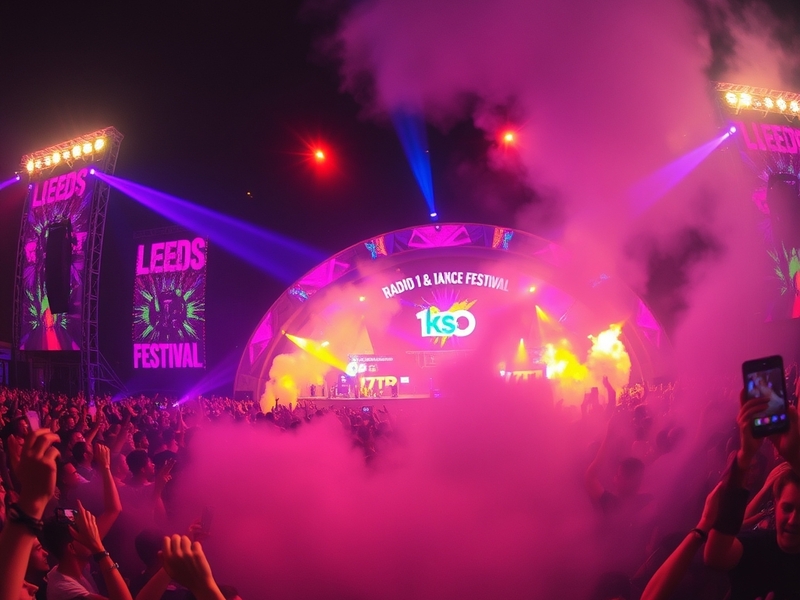
The festival’s layout also plays a significant role in its success. Bramham Park’s expansive grounds allow for a well-organised, multi-stage setup that minimises crowd congestion and enhances the overall experience. The Main Stage, Radio 1 Dance Arena, and Alternative Stage each offer distinct vibes, ensuring that festival-goers can curate their own journey through the event. Additionally, the festival’s campsites are renowned for their community atmosphere, with areas designated for families, LGBTQ+ attendees, and those seeking a quieter experience.
Another standout feature is Leeds Festival’s emphasis on sustainability. In recent years, organisers have implemented a range of eco-friendly initiatives, including a ban on single-use plastics, carbon offset programmes, and waste recycling schemes. The festival has also partnered with organisations like Julie’s Bicycle to measure and reduce its environmental impact. These efforts have earned Leeds Festival a reputation as one of the UK’s most sustainable large-scale events, a factor that resonates with environmentally conscious attendees.
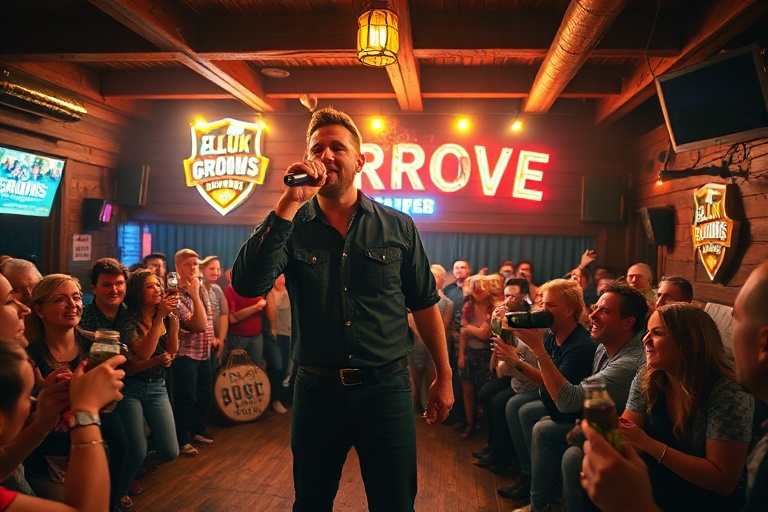
Of course, no discussion of Leeds Festival would be complete without mentioning its legendary after-parties and unofficial events. The city of Leeds itself becomes a hub of activity during festival weekend, with venues like Dave’s Locker’s music venues hosting intimate gigs and DJ sets that spill well into the night. These unofficial events add an extra layer of excitement to the festival experience, allowing fans to discover new music and connect with artists in a more personal setting.
The Broader Impact of Leeds Festival
Leeds Festival’s influence extends far beyond its four-day run. As one of the UK’s largest music festivals, it plays a crucial role in shaping the live entertainment industry, particularly in terms of artist exposure and audience engagement. For emerging artists, a slot at Leeds Festival can be a career-defining opportunity, offering unparalleled visibility and credibility. Similarly, established acts use the festival as a platform to debut new music or connect with fans in a way that’s increasingly rare in today’s digital-first music landscape.
The festival also serves as a barometer for broader trends in the music industry. In recent years, Leeds Festival has mirrored the growing demand for diverse lineups, reflecting the shifting tastes of younger audiences. The inclusion of hip-hop and electronic acts alongside traditional rock and indie artists highlights the blurring of genre boundaries, a trend that’s reshaping the live music scene. This evolution has not been without challenges, however. Some critics argue that festivals like Leeds have become too commercialised, prioritising big-name acts over grassroots talent. While organisers have defended their programming choices, the debate underscores the delicate balance festivals must strike between catering to mainstream tastes and nurturing new talent.
Another area where Leeds Festival has had a tangible impact is in the local economy. The event injects millions of pounds into the Leeds economy each year, supporting hotels, restaurants, and transport services. It also creates hundreds of temporary jobs, from security staff to caterers, providing a vital boost to the regional workforce. Beyond the economic benefits, the festival has helped put Leeds on the map as a cultural destination, attracting visitors from across the UK and beyond. This influx of tourism has long-term benefits for the city, from increased global visibility to the development of new infrastructure.
What’s Ahead for Leeds Festival
As Leeds Festival looks to the future, organisers face both opportunities and challenges. One of the biggest questions is how the festival will adapt to the changing live music landscape, particularly in the wake of the COVID-19 pandemic. While Leeds Festival returned in 2021 after a year’s hiatus, the industry’s recovery has been uneven, with some genres and artists struggling to regain their footing. Organisers will need to strike a balance between booking proven headliners and taking risks on new talent, all while managing rising costs and logistical complexities.
Sustainability will also remain a key focus. As climate change becomes an increasingly pressing issue, festivals are under growing pressure to reduce their environmental impact. Leeds Festival has already made significant strides, but there’s always room for improvement. Potential innovations include expanding renewable energy use, improving waste management systems, and encouraging attendees to adopt more sustainable travel options. These efforts will not only benefit the environment but also enhance the festival’s reputation as a forward-thinking organisation.
For fans, the future of Leeds Festival hinges on maintaining the event’s unique atmosphere. In an era where festivals are increasingly corporatised, Leeds Festival’s commitment to authenticity and community has been a major draw. Whether it’s the sense of camaraderie among campers, the thrill of discovering new music, or the sheer scale of the production, the festival offers an experience that’s hard to replicate elsewhere. As long as organisers can preserve these qualities while adapting to new challenges, Leeds Festival is poised to remain a cornerstone of the UK’s festival scene for years to come.
Key Takeaways from Leeds Festival
- Diverse Programming: Leeds Festival has evolved from an indie-focused event to a multi-genre extravaganza, appealing to a wide range of musical tastes.
- Sustainability Initiatives: The festival has implemented eco-friendly measures, including plastic bans and waste recycling, setting a benchmark for sustainability in the industry.
- Economic Impact: The event generates significant revenue for Leeds, supporting local businesses and creating jobs while boosting the city’s global profile.
- Community Atmosphere: The campsites and unofficial events foster a sense of camaraderie, making Leeds Festival more than just a music event.
- Industry Influence: The festival shapes trends in live music, from artist exposure to genre diversification, while navigating the challenges of commercialisation.
For those looking to explore more about the venues that shape Leeds’ music scene, Dave’s Locker’s music venues page offers a deeper dive into the city’s thriving live music culture. Whether you’re a seasoned festival-goer or a newcomer, Leeds Festival remains a must-attend event, offering a blend of music, culture, and community that’s hard to find anywhere else.