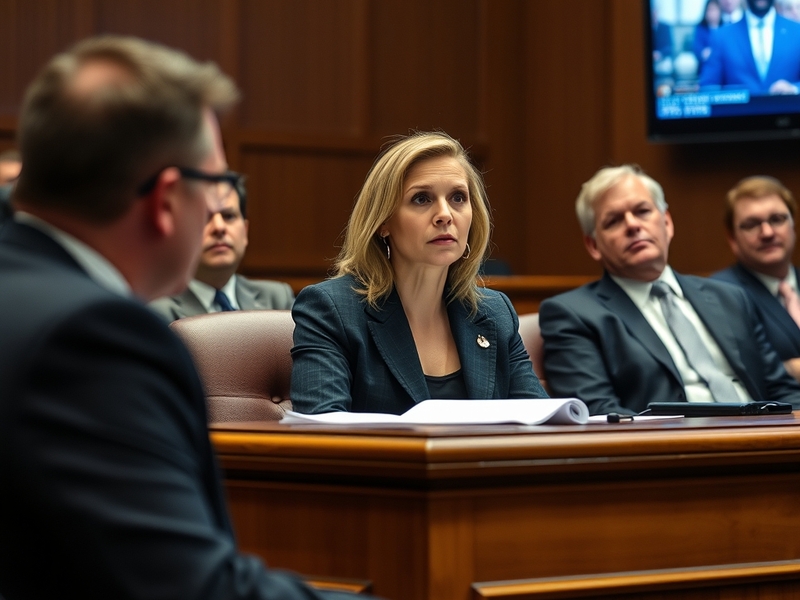
Live Coverage: Lindsay Clancy Trial Underway in Massachusetts
The trial of Lindsay Clancy, the Massachusetts mother charged in the deaths of her three young children, began today with intense public and legal scrutiny. Clancy, 32, faces three counts of murder in the January 2023 deaths of her children—two boys, ages 5 and 3, and a 7-month-old girl. The case has drawn widespread attention due to its tragic circumstances and the legal complexities surrounding postpartum mental health defenses.
Prosecutors allege that Clancy deliberately caused the children’s deaths, while her defense team is expected to argue that severe postpartum psychosis impaired her judgment at the time of the incident. The trial’s opening statements set the stage for a contentious legal battle, with both sides presenting evidence that will shape the narrative of what happened in the family’s Duxbury home.
Courtroom access remains tightly controlled, but a small group of family members and credentialed journalists have been permitted inside. The public can follow along through limited live updates provided by court-approved media outlets. This trial is being held in the Plymouth County Superior Court, where Judge Christopher Donelan is presiding over the proceedings.
Key Evidence and Legal Arguments
The prosecution’s case hinges on forensic evidence, including toxicology reports and digital communications from the days leading up to the incident. Investigators recovered messages from Clancy’s phone that reportedly indicated distress, though the defense has questioned their context and timing. Autopsy results, which have not been fully disclosed, are expected to play a central role in establishing the cause of death for each child.
Clancy’s legal team has signaled that they will call mental health experts to testify about postpartum psychosis, a rare but severe condition that can occur after childbirth. The defense may argue that Clancy was not in her right mind when the deaths occurred, potentially influencing the jury’s interpretation of intent. This strategy mirrors high-profile cases like that of Andrea Yates, where mental health played a pivotal role in the defense.
According to court filings, the defense plans to present evidence of Clancy’s erratic behavior in the weeks before the tragedy, including hospital visits and statements to family members. However, prosecutors are likely to counter that these actions do not excuse the alleged crimes. The trial is expected to last several weeks, with testimony from medical professionals, first responders, and family members.
Public Reaction and Media Coverage
The case has sparked intense debate on social media, with some users advocating for understanding and mental health awareness, while others express outrage over the children’s deaths. Vigils and public statements from child advocacy groups have underscored the emotional toll of the tragedy. Meanwhile, legal analysts are closely watching the trial, noting its potential implications for how postpartum mental health cases are adjudicated in Massachusetts.
Local news outlets have provided extensive coverage, with live blogs and minute-by-minute updates for those unable to attend the trial in person. The News section of Dave’s Locker has compiled key moments from the trial, including expert opinions and public reactions. For those seeking deeper analysis, the Analysis category offers thoughtful commentary on the legal and societal dimensions of the case.
The trial’s emotional weight is palpable, not just for the legal teams involved but for the community grappling with the loss of three innocent lives. As the proceedings unfold, the public’s attention remains fixed on the courtroom, where the search for truth—and justice—is taking place.
What’s Next for the Clancy Trial
With opening statements concluded, the trial will now proceed to witness testimony, beginning with medical examiners and law enforcement officials. The prosecution is expected to call first responders who arrived at the scene, as well as family members who spoke with Clancy in the days leading up to the incident. These accounts could provide critical context for the jury.
The defense’s strategy will likely unfold in the coming weeks, with mental health experts taking the stand to explain postpartum psychosis in detail. Their testimony may humanize Clancy, but it will also face rigorous cross-examination from prosecutors. The jury will ultimately decide whether Clancy’s alleged actions were premeditated or the result of a medical crisis.
Regardless of the trial’s outcome, the case has already left a lasting impact on discussions about mental health, parental responsibility, and the legal system’s role in addressing such crises. For now, the focus remains on the courtroom, where the pursuit of justice continues.
The trial is a reminder of the complexities that underlie high-profile legal cases, where emotions, science, and the law intersect. As the weeks progress, the public will gain a clearer picture of the events that led to this tragic chapter—and the legal system’s response.
For ongoing updates and in-depth coverage, follow Dave’s Locker’s News and Analysis sections.