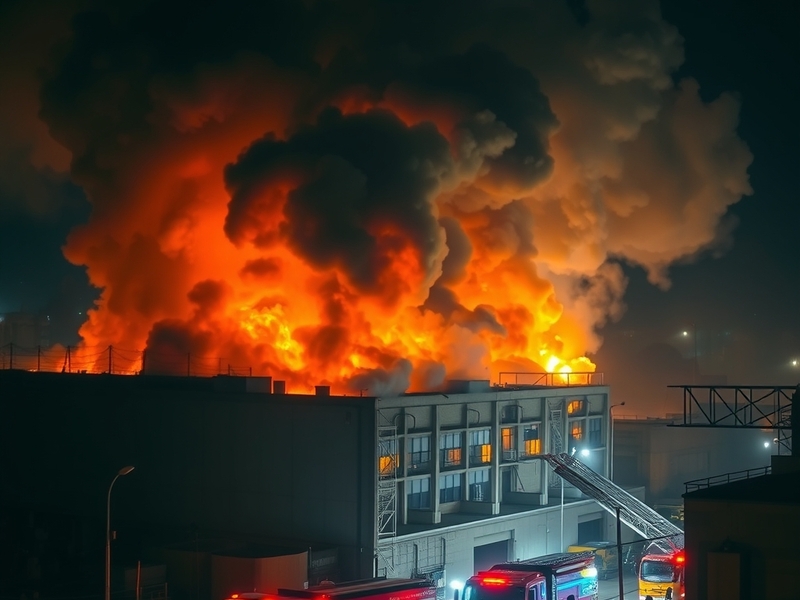
The fire that tore through Monterrey in June 2024 was more than a disaster—it was a moment that exposed the vulnerabilities of urban infrastructure and the resilience of communities. What began as a routine electrical incident in a densely populated district quickly escalated into a multi-block inferno, drawing national and international attention. The blaze, which burned for nearly 12 hours, destroyed homes, businesses, and critical public services. It also raised urgent questions about emergency response, urban planning, and the human cost of sudden catastrophes.
Monterrey, Mexico’s third-largest city, is often celebrated for its economic dynamism and industrial strength. Yet beneath its modern skyline lies a patchwork of older neighborhoods where aging electrical grids and informal settlements intersect. The fire highlighted these tensions in stark relief. Eyewitnesses described the scene as surreal: flames leaping between buildings, smoke blotting out the midday sun, and residents carrying children and pets through narrow streets choked with chaos. The disaster unfolded in real time on social media, turning local tragedy into a global conversation.
How the Fire Started and Spread
Investigations later confirmed the fire originated from a transformer explosion in the Los Angeles neighborhood, an area known for its mix of residential and commercial buildings. The initial blast triggered a chain reaction, igniting nearby gas lines and wooden structures. Within minutes, the fire spread across three city blocks, overwhelming local fire stations. Many first responders arrived to find hydrants without pressure and ladders too short to reach the upper floors of older buildings.
Emergency services from neighboring states were called in, but coordination proved difficult. Cell towers collapsed under the heat, cutting off communication. A local journalist who lived near the blaze recounted seeing firefighters pleading for water trucks to arrive while flames crept closer to homes. “It wasn’t just the fire,” she said. “It was the system failing.”
The Human and Economic Toll
By the time the fire was contained, 87 buildings had been damaged or destroyed. Over 300 families were displaced, and at least 12 people were hospitalized with burns and smoke inhalation. The economic loss was estimated at over $45 million, with small businesses—already struggling post-pandemic—bearing the brunt. Local markets, pharmacies, and auto repair shops were reduced to smoldering ruins. One shop owner, whose family had run the same bakery for 60 years, told reporters he had no insurance and no plan. “We built this with our hands,” he said. “And now it’s gone.”
In the weeks that followed, volunteers from across Mexico arrived to help with cleanup and donations. Religious groups, NGOs, and even rival sports fans united in a rare moment of solidarity. Yet the recovery process has been slow. Many displaced residents are still living in temporary shelters, waiting for rebuilding permits that require complex paperwork and bureaucratic approvals. The psychological scars may take longer to heal. Children who witnessed the fire developed nightmares, and elders spoke of losing decades of memories trapped in burnt apartments.
Lessons from Monterrey: A Global Perspective
The Monterrey fire mirrors disasters in other fast-growing cities, from São Paulo to Jakarta, where rapid urbanization outpaces infrastructure upgrades. In many developing regions, electrical fires are a recurring nightmare. According to a 2023 World Bank report, over 60% of urban fires in low- and middle-income countries stem from outdated wiring or illegal connections—risks often ignored until catastrophe strikes.
What sets Monterrey apart is the scale of its response. The city has since launched a $20 million emergency fund to upgrade transformers and install fire-resistant materials in high-risk zones. A new early warning system now sends SMS alerts to residents when temperatures spike or smoke is detected. Yet critics argue these measures are band-aids on a deeper wound: systemic neglect of marginalized communities. Sports facilities and luxury condos often receive priority upgrades, while working-class neighborhoods remain vulnerable.
On the global stage, Monterrey’s fire has become a case study in urban disaster preparedness. Firefighters from Houston and Tokyo visited to share best practices, including drone surveillance and real-time data mapping. International aid groups have pledged support, but local activists insist the focus must remain on prevention. “We cannot keep waiting for the next fire to act,” said a community leader. “It’s time to rebuild smarter—or we’ll keep paying the price.”
Looking Ahead: Rebuilding with Resilience
The road to recovery will demand more than financial aid. It will require a cultural shift toward valuing safety as a public good, not a luxury. Architects are now proposing fire-resistant housing designs using recycled materials and modular construction. Insurance companies are piloting low-cost policies for informal settlements. Meanwhile, art projects have emerged in the burnt district, transforming charred walls into murals that tell stories of loss and hope.
For Monterrey, the fire was a wake-up call. But whether it leads to lasting change remains uncertain. One thing is clear: the city’s future will be shaped by how it chooses to remember the past. Will the scars of June 2024 fade into history? Or will they ignite a movement toward safer, more equitable urban living?
The answer lies not in the ashes, but in the hands of those rebuilding from them.