The enduring appeal of Xbox physical games in a digital-first world
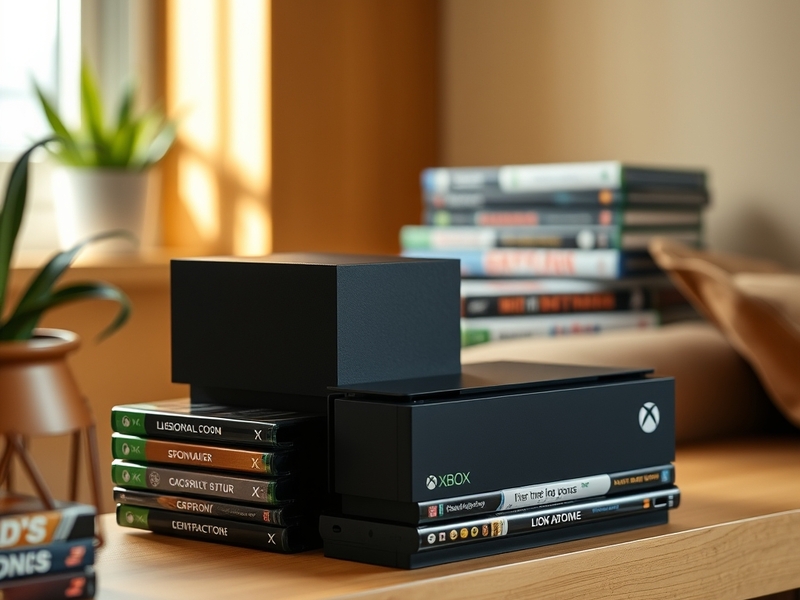
Physical Xbox game discs are still a cornerstone of the console experience, even as digital downloads dominate the conversation. For many players, the tactile ritual of inserting a disc—feeling the weight of the case, scanning the artwork, and hearing the drive whir to life—remains irreplaceable. These discs carry more than just data; they hold memories of shared living-room moments, late-night gaming sessions, and the tangible pride of a collection that tells a personal story.
This attachment to physical media isn’t just nostalgia. It reflects broader global trends in consumer behavior, digital rights, and even environmental consciousness. In regions where internet infrastructure remains inconsistent, a physical disc is a reliable gateway to gaming. Meanwhile, in markets with robust digital ecosystems, collectors and completionists continue to value limited editions, steelbooks, and region-locked releases that never make it to digital storefronts.
Let’s explore why Xbox physical games still matter, how they’re adapting to modern expectations, and what the future might hold for gamers who prefer discs over downloads.
Why players still choose discs over downloads
The decision to buy a physical Xbox game often comes down to control, convenience, and culture. Unlike digital purchases, which are tied to a Microsoft account and subject to licensing agreements, a disc can be shared, resold, or even given away—an act of generosity that resonates in communities where gaming is a social activity. In parts of Latin America, Africa, and Southeast Asia, where secondhand markets thrive, physical copies allow players to access titles at a fraction of the original price.
There’s also a psychological comfort in ownership. When you buy a game on disc, you possess a physical artifact that can’t be revoked by a service outage or account suspension. This is especially important in online-heavy ecosystems like Xbox Live, where server downtime can render digital libraries inaccessible. For families with multiple consoles, physical discs offer a simple way to play the same game on different systems without juggling licenses or downloads.
Additionally, the unboxing experience remains a ritual for many. The ritual of opening a new game, examining the manual, and admiring the packaging is part of the joy of gaming. Limited editions, exclusive variants, and high-quality materials like steelbooks elevate this experience, turning collections into display pieces. For younger players, the act of inserting a disc can feel like a rite of passage—one that connects them to the broader history of gaming as a physical medium.
How Xbox is evolving the physical game experience
Microsoft has not abandoned physical media. In fact, the company has updated its approach to discs with the Xbox Series X|S consoles, which support backward compatibility and faster load times when using discs. The introduction of the Xbox Series X|S all-digital edition didn’t spell the end for discs either; instead, it created a bifurcated market where players can choose based on their needs.
One notable development is the continued release of physical versions of major titles, even in genres traditionally dominated by digital. Sports franchises like FIFA and NBA 2K, for example, still launch physical editions, catering to collectors and players who prefer not to rely on constant online updates. The same goes for narrative-driven experiences like Starfield and Forza Horizon 5, which offer both digital and physical SKUs to maximize accessibility.
Microsoft has also partnered with third-party manufacturers to produce high-quality collectible editions. These include:
- Steelbook editions – Premium cases with metallic exteriors and enhanced artwork.
- Game Pass Ultimate bundles – Physical discs that include a month of Game Pass, appealing to new subscribers.
- Regional exclusives – Games released in physical form only in certain markets, preserving cultural specificity.
These editions cater to a growing segment of players who view gaming as both entertainment and a form of self-expression. The physical market is no longer just about convenience; it’s about curation, community, and cultural identity.
The global divide: where discs still rule
The relevance of physical Xbox games varies dramatically around the world. In countries with limited high-speed internet, such as Nigeria, Vietnam, and Argentina, discs are often the primary way to access new releases. Local retailers and street vendors thrive by selling pre-owned and bootleg copies, making gaming accessible to millions who might otherwise be priced out of the market.
In contrast, markets like Japan, South Korea, and parts of Europe have robust digital ecosystems, yet physical sales remain strong due to collector culture. Limited editions of Halo, Gears of War, and Mass Effect routinely sell out, with resale values on secondary markets often exceeding their original price. This phenomenon is driven by a mix of fandom, art appreciation, and investment potential—some players buy multiple copies to preserve or profit from rare editions.
Even in the United States and Western Europe, where digital dominates, physical sales persist among hardcore gamers. The rise of retro gaming and the popularity of Xbox backward compatibility have fueled demand for older titles that are only available on disc. Events like retro game expos and conventions continue to showcase the enduring appeal of physical media, proving that discs are far from obsolete.
Yet challenges remain. Supply chain disruptions, rising production costs, and the shift toward digital storefronts have reduced the number of physical releases for some franchises. Titles with small budgets or niche appeal are increasingly digital-only, narrowing the options for players who prefer discs. This trend raises questions about the long-term sustainability of physical media in a market increasingly driven by convenience and streaming.
What’s next for Xbox physical games?
The future of Xbox physical games will likely be shaped by three key factors: technological innovation, market demand, and corporate strategy. Microsoft has shown no signs of abandoning discs, but it’s also investing heavily in digital services like Xbox Cloud Gaming and Game Pass. The challenge will be balancing these priorities without alienating players who value physical ownership.
One possibility is the rise of hybrid models, where physical discs include download codes for digital copies or cloud saves. This approach would satisfy both collectors and digital-first players, offering the best of both worlds. Another trend to watch is the growth of sustainable packaging, with Microsoft and partners exploring recycled materials and minimalist designs to reduce environmental impact.
For now, the physical Xbox game market remains a vibrant, if fragmented, ecosystem. It’s a space where nostalgia, practicality, and passion intersect—a reminder that gaming is as much about the journey as it is about the destination. Whether you’re a collector chasing steelbooks, a parent sharing a disc with a child, or a player in a region where internet is unreliable, the humble Xbox disc still holds power. It’s more than a piece of plastic. It’s a connection to the past, a bridge to the future, and a testament to the enduring appeal of gaming as a shared experience.