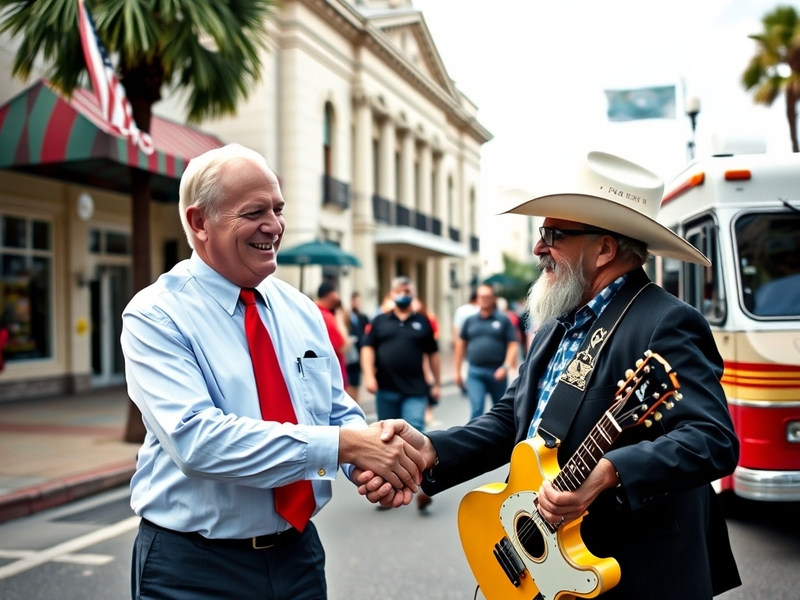
The clash between Florida Chief Financial Officer Jimmy Patronis and country music star Jelly Roll over the state’s tourism slogan has become a defining moment in the intersection of politics, culture, and economic messaging. What began as an internal debate about how Florida markets itself to the world escalated into a public feud that exposed deeper tensions about identity, branding, and who gets to decide a state’s image. The dispute reached a boiling point earlier this spring when Patronis publicly criticized Jelly Roll’s role in a promotional campaign for “Florida’s Natural,” a move that led to widespread backlash and a rare moment of national scrutiny on Florida’s tourism strategy.
The origins of Florida’s tourism slogan controversy
Florida has long relied on its sunshine, beaches, and theme parks to attract visitors, but in recent years, the state has sought to rebrand itself with slogans that emphasize its cultural diversity and lifestyle. The phrase “Made in Florida” was introduced in 2023 as part of a broader initiative to highlight homegrown businesses and homegrown talent. The campaign featured a mix of local artists, chefs, and entrepreneurs—including country musicians like Jelly Roll—who represented the state’s evolving identity beyond just theme parks and retirees.
Jimmy Patronis, a Republican and vocal advocate for traditional business values, took issue with the messaging. In a series of social media posts and public statements, he argued that the slogan was too vague and failed to clearly communicate Florida’s economic strengths. His criticism wasn’t just about the words themselves; it reflected a broader philosophical divide about how the state should be marketed. Patronis, who has been a champion of fiscal conservatism and pro-business policies, believed the slogan needed to emphasize Florida’s role as a global economic hub, particularly in industries like aerospace, manufacturing, and real estate.
The role of Jelly Roll and cultural representation
Jelly Roll, whose real name is Jason DeFord, rose to fame as a country artist blending Southern storytelling with modern hip-hop influences. His inclusion in the “Made in Florida” campaign was seen as a deliberate effort to connect with younger audiences and reflect the state’s growing diversity. The musician, who was born in Nashville but has strong ties to Florida through his fanbase and business ventures, became a symbol of the campaign’s inclusive approach. His participation was not just a celebrity endorsement; it was an attempt to show that Florida’s culture is as varied as its geography.
The backlash to Patronis’s comments was swift and intense. Fans and fellow artists took to social media to defend Jelly Roll and the campaign’s vision. Many argued that Patronis’s criticism reflected a narrow view of what Florida represents—one that ignores the state’s vibrant music scene, culinary culture, and creative industries. The debate also highlighted a generational divide, with younger Floridians and cultural creators pushing back against a more traditional, corporate-driven vision of the state’s identity.
A global perspective on state branding
Florida’s tourism slogan controversy is not unique. Around the world, states and nations grapple with how to present themselves in an increasingly competitive global market. Countries like New Zealand and Iceland have successfully rebranded by focusing on their natural beauty and outdoor adventures, while others like Dubai have emphasized luxury and innovation. The challenge for Florida is balancing its traditional appeal with a more modern, inclusive identity that resonates with a diverse population and a global audience.
The dispute between Patronis and Jelly Roll also reflects broader cultural shifts. In an era where authenticity and representation matter more than ever, campaigns that feature local artists and creators are often seen as more credible than those that rely solely on corporate messaging. This trend is evident not just in tourism but in industries like music, fashion, and food, where consumers increasingly demand transparency and connection to the communities behind the products.
From a global perspective, the controversy raises important questions about who gets to define a state’s image. Should it be politicians and business leaders, or should it include artists, musicians, and everyday citizens? The answer may depend on the audience. Tourists looking for theme parks and beaches may not care about the slogan, but younger travelers and cultural enthusiasts are increasingly drawn to destinations that feel authentic and inclusive.
What’s next for Florida’s tourism branding?
As the debate continues, Florida’s tourism officials face a difficult decision. Do they double down on a more corporate, business-friendly slogan, or do they embrace a more culturally inclusive approach? The state’s tourism industry, which contributes over $100 billion annually to the economy, cannot afford to alienate either side. A compromise may be in order—one that blends economic messaging with cultural representation.
One possible solution could be a layered branding strategy. For example, Florida could use “Made in Florida” to highlight local businesses and artists while simultaneously promoting a secondary slogan like “Florida: The Business of Fun” to emphasize its economic strengths. This approach would allow the state to appeal to both traditional tourists and a more diverse, modern audience.
The feud between Patronis and Jelly Roll may have seemed like a minor skirmish, but it has exposed deep divisions about Florida’s future. Whether the state leans toward a more traditional or inclusive identity, one thing is clear: the way Florida brands itself will shape its reputation for years to come. And in a world where culture and commerce are increasingly intertwined, that decision will have consequences far beyond the Sunshine State.