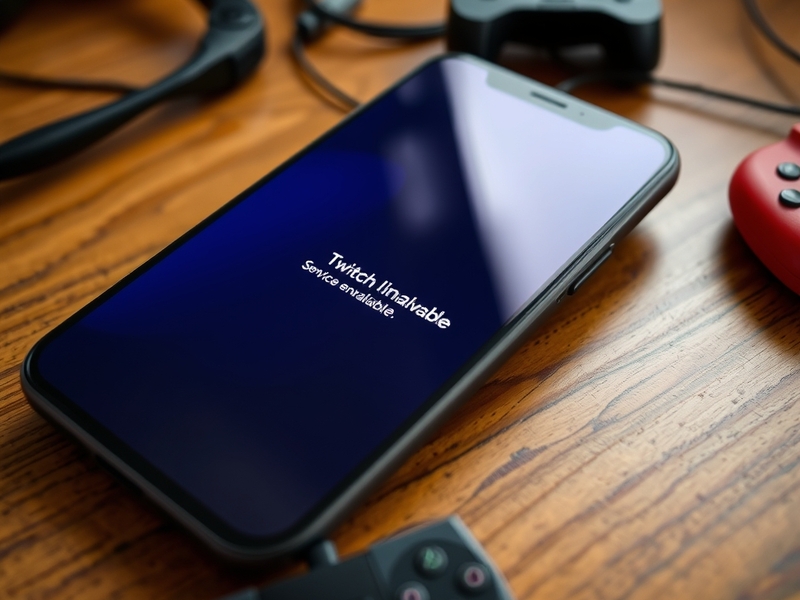
Twitch, the dominant streaming platform for gamers, musicians, and live content creators, experienced a widespread outage on Tuesday evening, leaving millions of viewers and streamers in the dark. The disruption lasted nearly two hours, sparking frustration across social media and raising concerns about the platform’s reliability. While outages aren’t uncommon for major tech services, the timing and scale of this incident highlighted the growing dependency on Twitch as a primary source of entertainment and income for thousands of creators.
What happened during the Twitch outage?
The outage began around 7:45 PM Eastern Time, with users reporting difficulties accessing the site and mobile apps. Twitch’s official status page quickly marked the issue as “Investigating,” but offered no immediate explanation or estimated resolution time. Streamers attempting to go live were met with error messages, while viewers refreshing their browsers saw blank screens or error codes. The disruption affected regions globally, though some users in Europe and Asia reported partial service earlier than others.
Twitch’s engineering team eventually confirmed the issue stemmed from a “third-party service disruption,” though they did not specify which provider was responsible. Rumors on X (formerly Twitter) and Reddit pointed toward AWS or CloudFront, given Twitch’s reliance on Amazon Web Services for content delivery. However, Amazon has not issued a public statement linking their infrastructure to the incident. This lack of clarity only fueled speculation among the platform’s highly engaged community.
Why this outage matters more than most
Twitch isn’t just another streaming platform—it’s a digital ecosystem. For many, it’s a full-time job, a community hub, and a cultural touchstone. The outage disrupted scheduled esports tournaments, live music sets from bedroom DJs, and even educational streams used by students and professionals. Some streamers rely on Twitch for 100% of their income, and sudden downtime can mean lost sponsorships, ad revenue, and viewer trust.
During the blackout, many creators migrated to YouTube, Kick, or Trovo, platforms that have been aggressively courting Twitch streamers with better revenue splits and lower fees. This exodus wasn’t just inconvenient—it was a potential preview of a future where Twitch no longer holds a monopoly on live streaming. The incident also raised questions about creator monetization: if a platform can go dark without warning, how secure are the livelihoods of those who depend on it?
Another concern is the psychological impact on viewers. Twitch isn’t just background entertainment—it’s a social experience. Communities form around streams, with inside jokes, memes, and shared emotions. When the platform vanishes, so does that sense of belonging. The outage reminded everyone how deeply integrated Twitch has become in modern digital culture, much like social media platforms or cloud-based productivity tools.
How Twitch compares to past outages
Twitch has faced service interruptions before, but none quite like this in terms of scale and timing. In October 2021, a routing misconfiguration caused a 48-minute outage, affecting 95% of users. In March 2023, a DDoS attack took the platform offline for over an hour. Each incident prompted urgent reassessments of Twitch’s infrastructure, yet similar problems persist.
What’s different now is the broader context. The streaming industry has matured. Competitors like Kick and Rumble have launched with aggressive growth strategies, offering streamers higher payouts and more creative control. Kick, in particular, has courted controversial figures from Twitch, luring them with multi-million-dollar exclusivity deals. This outage may have accelerated that migration, even temporarily.
Twitch’s response also reflects a shift. In the past, the company often remained silent for hours during outages. This time, they acknowledged the issue within 15 minutes and provided status updates every 30 minutes. That transparency, while necessary, also underscored the pressure the platform faces to perform reliably in an increasingly competitive market.
What’s next for Twitch and its community?
The immediate aftermath of the outage saw a surge in support for decentralized alternatives. Peer-to-peer streaming platforms and blockchain-based content networks gained attention, though none currently offer the scalability or features of Twitch. For now, most users returned once service was restored, but the incident left a lingering unease.
Twitch’s leadership will likely accelerate infrastructure upgrades, possibly moving toward a multi-cloud architecture to reduce dependency on a single provider. They may also introduce better revenue guarantees or insurance programs for top creators affected by future outages. Yet the deeper challenge is rebuild trust—not just in technical reliability, but in the platform’s commitment to its community.
For streamers, the message is clear: diversification is survival. Relying solely on one platform is risky. Many are now testing secondary channels on YouTube, TikTok, or even podcasting platforms. Viewers, too, are becoming more selective, following creators across multiple services to avoid missing content during future disruptions.
Twitch’s dominance isn’t guaranteed. The outage wasn’t just a technical glitch—it was a stress test of an entire digital economy. And in that test, cracks began to show.
As the platform recovers, one thing is certain: the streaming world is watching closely. And waiting.
- Trending – For more updates on live platform disruptions and digital trends.
- Gaming – Follow breaking news and analysis in the gaming industry.
The next time Twitch goes down, the consequences may not be so easily fixed. And that’s a future no one wants to face unprepared.