The rivalry between DraftKings and FanDuel isn’t just another chapter in the sportsbook wars—it’s a story of two companies that reshaped how Americans wager on sports, drove legalization across the country, and turned daily fantasy into a mainstream obsession. Since merging their daily fantasy operations in 2017, both platforms have evolved into full-fledged sports betting giants, each carving out distinct identities in a crowded market. While they share a common origin, their strategies, user experiences, and market positions tell different stories of growth, innovation, and competition.
From Daily Fantasy to Sports Betting Dominance
DraftKings and FanDuel launched in the mid-2010s as daily fantasy sports platforms, capitalizing on the fantasy sports craze that had already taken hold among passionate sports fans. FanDuel, founded in 2009, gained early traction with its user-friendly interface and aggressive marketing, including the now-famous “Every Day Is Game Day” campaign. DraftKings, founded in 2012, quickly became a strong competitor by offering innovative features like live scoring and a mobile-first design.
The turning point came in 2015, when a federal court ruling threatened the legality of daily fantasy sports nationwide. Both companies pivoted aggressively toward sports betting, positioning themselves as leaders in what was then a niche but rapidly growing segment. Their lobbying efforts helped push for the repeal of the federal ban on sports betting in 2018, paving the way for legal markets in dozens of states. Today, both platforms operate in nearly all regulated U.S. markets, offering not just betting lines but live odds, in-play wagering, and even sportsbook integrations with major media companies.
User Experience and Platform Design: Where They Diverge
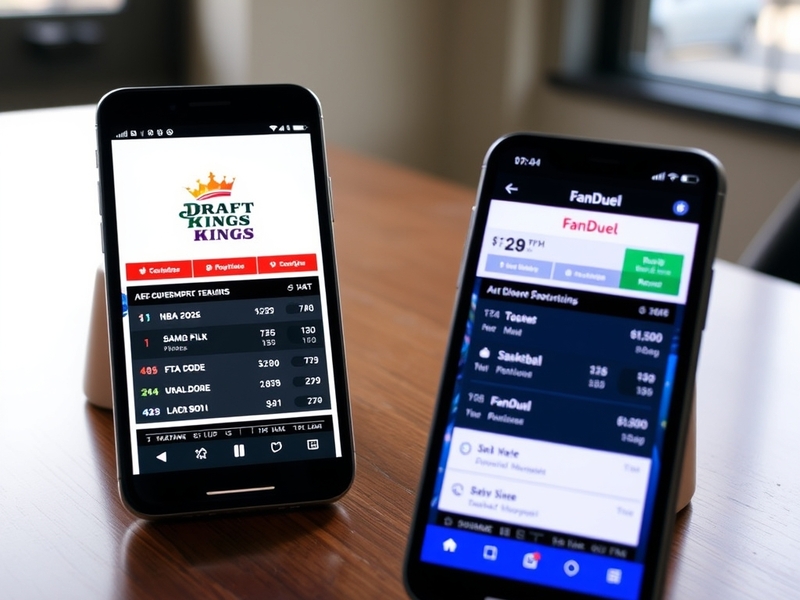
When it comes to usability, DraftKings and FanDuel take different approaches. FanDuel’s interface leans toward simplicity and speed. The platform emphasizes a clean layout with bold visuals and quick navigation, making it ideal for casual bettors who want to place a few wagers without diving into complex analytics. Its “Bet Slip” is streamlined, and the app loads fast—critical for in-game betting when every second counts.
DraftKings, by contrast, offers a more data-heavy experience. The platform integrates advanced analytics, including player prop projections, ownership percentages, and real-time injury updates, catering to serious bettors and sharps. Its “Same Game Parlay” feature, which allows users to combine multiple bets within a single game, has become a standout innovation, driving engagement and increasing bet sizes. DraftKings also emphasizes its proprietary algorithms and machine learning models, which it claims improve betting accuracy over time.
Both platforms have expanded into sportsbook integrations with major media networks—FanDuel with Fox Sports and DraftKings with ESPN—but their core appeal remains rooted in their original fantasy and betting DNA. FanDuel’s partnership with the NFL, including the naming rights to the “FanDuel Sportsbook” at SoFi Stadium, underscores its focus on mainstream accessibility. DraftKings, meanwhile, has leaned into celebrity endorsements—most notably with its long-running campaign featuring rapper Snoop Dogg and comedian Rob Riggle—positioning itself as the edgier, more entertainment-driven option.
Bonuses, Promotions, and the Battle for Customer Loyalty
The competition between DraftKings and FanDuel extends beyond odds and features—it’s fought in the trenches of promotions, bonuses, and customer retention. Both platforms use sign-up bonuses aggressively, often offering risk-free bets, deposit matches, or enhanced odds for new users. FanDuel has historically led in promotional creativity, launching its “Bet $5, Get $200” offer and frequent “Same Game Parlay Boosts,” where certain parlays pay out at higher odds.
DraftKings counters with its “Bet $5, Get $200” offer as well, but differentiates itself with loyalty programs like “Kings Rewards,” which tiers users based on betting volume and offers exclusive perks like free bets, merchandise, and even travel experiences. The platform also runs frequent “Odds Boost” promotions, where it artificially inflates the payouts on certain bets to attract action and differentiate itself from competitors.
While both platforms have faced criticism for aggressive marketing tactics—including targeting problem gambling risks—neither has slowed down. In fact, their promotional spending has become a key part of their growth strategy, funded by massive ad campaigns on TV, social media, and podcasts. As legal sports betting expands, the battle for customer loyalty is only intensifying, with each platform trying to lock in users before the market becomes saturated.
The Bigger Picture: Implications for the Sports Betting Industry
The DraftKings vs. FanDuel rivalry isn’t just about two companies—it’s about the future of legal sports betting in America. Together, they’ve spent hundreds of millions on lobbying, advertising, and technology, shaping regulations in states from New Jersey to Colorado. Their success has forced traditional casinos and racetracks to adapt, either by partnering with them or launching their own digital platforms. Meanwhile, smaller sportsbooks struggle to compete with their marketing budgets and user acquisition strategies.
But the competition has also driven innovation. Features like live betting, cash-out options, and same-game parlays were once novelties; now they’re industry standards. The platforms have also pushed for responsible gambling tools, including deposit limits, self-exclusion options, and reality checks, responding to growing scrutiny from regulators and public health advocates.
Looking ahead, both companies are expanding internationally, targeting markets like Canada, Europe, and Australia where sports betting is legal but competition is fierce. DraftKings has also ventured into sports media with its acquisition of VSiN (Victory Sports Network), a 24/7 sports betting network, while FanDuel has deepened its ties to traditional sports leagues through sponsorships and data partnerships.
As the dust settles from the initial legalization boom, the real challenge for both platforms will be sustainability. With more states legalizing sports betting and consumer acquisition costs rising, profitability remains elusive for many operators. DraftKings and FanDuel are betting that their scale, brand recognition, and technological edge will give them the edge—but the race is far from over.
The DraftKings vs. FanDuel rivalry has redefined sports betting in America, turning a once-fringe activity into a multi-billion-dollar industry. While they began as competitors in daily fantasy, their evolution into full-fledged sportsbooks has set the standard for the entire sector. Whether you’re a casual bettor drawn in by a promo or a sharp handicapper chasing value on live odds, the choices you make between these two platforms reflect broader trends in how we consume sports, entertainment, and risk. In the end, the real winners may not be the companies themselves—but the fans who now have more options, better odds, and a deeper connection to the games they love.