Understanding a Deadlocked Jury
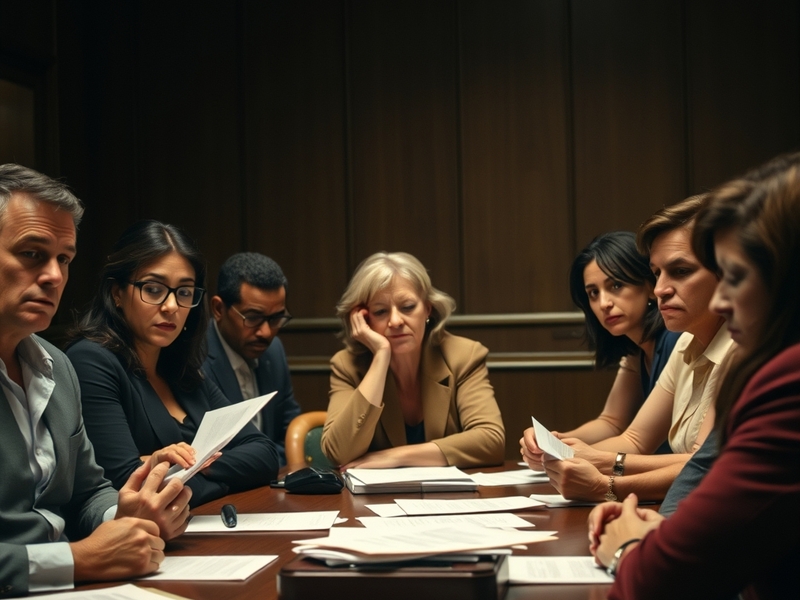
A deadlocked jury, often referred to as a hung jury, occurs when jurors cannot reach a unanimous or sufficient verdict. This situation can arise during criminal trials and civil cases, leading to significant implications for the judicial process. In many instances, the inability to agree can result in the trial’s mistrial, leaving the outcome uncertain and the involved parties in limbo.
Causes of Jury Deadlock
Several factors can contribute to a jury becoming deadlocked. Understanding these elements is crucial for both legal professionals and the public. Here are some common causes:
- Diverse Perspectives: Jurors come from varied backgrounds and experiences, which can lead to different interpretations of the evidence presented.
- Complex Evidence: Cases involving intricate legal issues or substantial amounts of evidence may overwhelm jurors, complicating their ability to reach a consensus.
- Strong Personal Beliefs: Jurors may hold strong convictions that influence their decision-making, making compromise difficult.
- Miscommunication: Jurors may misunderstand the instructions or the evidence, leading to disagreements.
Implications of a Deadlocked Jury
The repercussions of a deadlocked jury can be far-reaching. When a jury cannot come to a unanimous decision, the judge typically declares a mistrial. This can have several consequences:
- Retrial: The prosecution may choose to retry the case, which can prolong the legal process and place additional strain on the involved parties.
- Negotiation Opportunities: A deadlock may lead to renewed negotiations between the defense and the prosecution, potentially resulting in a plea deal.
- Emotional Toll: For victims and defendants alike, the uncertainty of a mistrial can be emotionally exhausting and stressful.
Additionally, the public’s perception of the justice system may be affected. A deadlocked jury can lead to questions about the effectiveness of the judicial process, as well as the credibility of the evidence presented.
Legal Strategies to Avoid Jury Deadlock
Attorneys often employ various strategies to minimize the risk of a deadlocked jury. These strategies can significantly influence trial outcomes. Some of the common techniques include:
- Clear Jury Instructions: Ensuring that jurors fully understand their roles and the specifics of the case can help facilitate agreement.
- Effective Communication: Lawyers may emphasize the importance of clear and persuasive arguments during the trial, aiming to resonate with jurors.
- Pre-Trial Motions: Attorneys can file motions to exclude certain evidence or limit the scope of the trial, which can streamline the jury’s considerations.
By proactively addressing potential issues that could lead to a deadlock, legal teams can enhance the likelihood of a favorable verdict.
Conclusion
A deadlocked jury highlights the complexities of the legal system and the challenges jurors face in reaching a consensus. The implications of such a scenario extend beyond the courtroom, affecting the lives of those involved and the broader perception of justice. As legal professionals continue to refine their strategies, understanding the dynamics of jury deliberation remains critical.
For more insights into the legal processes, visit our Legal section. To explore recent cases and their outcomes, check out our News category.