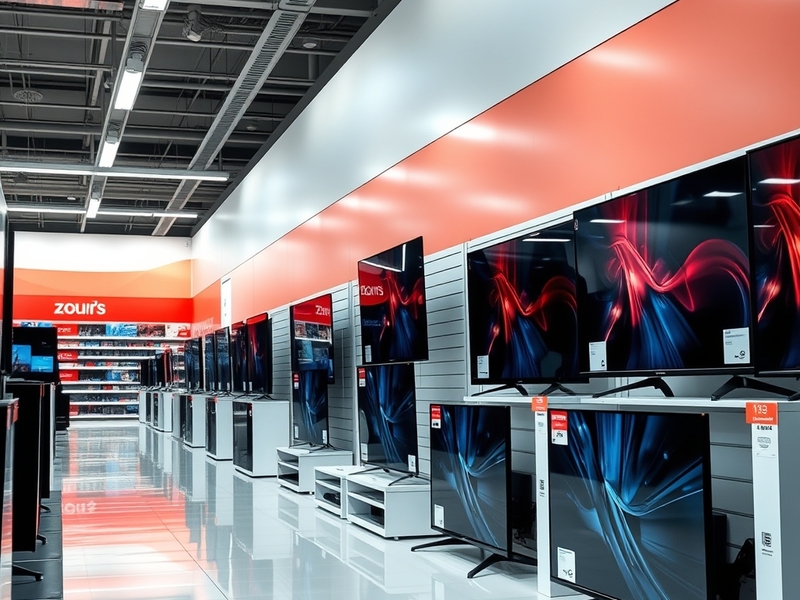
Finding the best TV prices today means navigating a market flooded with options, from budget-friendly models to premium OLED displays. Prices fluctuate constantly due to seasonal sales, manufacturer promotions, and inventory clearances. Smart shoppers know that timing and research can save hundreds—or even thousands—on their next big-screen purchase. Whether you’re upgrading for sports, movies, or gaming, understanding where to look and when to buy makes all the difference.
Seasonal Sales: When to Buy for the Best TV Prices
The holiday season isn’t the only time to find discounts on televisions. While Black Friday and Cyber Monday still offer some of the steepest reductions, retailers now run promotions year-round. Memorial Day, Labor Day, and Amazon Prime Day have become key moments for price drops, often matching or beating Black Friday deals. Even back-to-school sales in late summer sometimes include TV discounts as stores clear floor models.
Black Friday remains a strong contender, especially for mid-range and high-end models. Last year, major retailers slashed prices on 65-inch 4K TVs by 20-30%, with some OLED models dropping below $1,000 for the first time. However, don’t overlook Prime Day in July, which has increasingly become a mini Black Friday for TVs. Amazon and Walmart often match each other’s prices during these events, creating intense competition that benefits consumers.
Another underrated sales period is the week between Christmas and New Year’s. Stores push to clear holiday inventory, and unsold TVs from Black Friday get discounted further. This can be a golden opportunity for last-minute shoppers who missed earlier sales. Retailers like Best Buy and Costco frequently extend post-holiday promotions, sometimes offering free extended warranties or delivery with purchase.
Key Times to Shop for TVs
- Black Friday & Cyber Monday: Best for high-end models and bundles
- Prime Day (July): Strong discounts on mid-range TVs, especially Amazon exclusives
- Memorial Day & Labor Day: Competitive pricing on mid-size TVs (55-65 inches)
- Post-Christmas (Dec 26 – Jan 5): Deep discounts on leftover holiday stock
Where to Look: Retailers with the Best TV Deals
Not all retailers offer the same value, and price matching policies vary significantly. Amazon dominates in sheer volume of deals, but it’s not always the cheapest option. Walmart and Target frequently match Amazon’s prices and offer in-store pickup, which can save on shipping costs. Best Buy remains the go-to for expert advice and reliable price matching, though its selection isn’t as extensive as online retailers.
For those willing to wait, open-box and refurbished TVs from Amazon Warehouse, Best Buy Outlet, and Newegg can offer 30-50% savings. These units are tested and certified by manufacturers, often with the same warranty as new models. The catch? Inventory is limited and varies by location. Flash sales on sites like B&H Photo and Adorama can also yield surprising bargains, especially on Sony and LG OLED models.
International shoppers should consider Canadian retailers like Best Buy Canada or The Bay during their boxing week sales (similar to post-Christmas U.S. sales). Exchange rates and lower taxes sometimes make these deals competitive with U.S. prices. However, warranty coverage and return policies differ, so research thoroughly before purchasing.
Retailer Comparison for TV Purchases
- Amazon: Best selection, frequent lightning deals, but third-party sellers vary in reliability
- Best Buy: Expert staff, price matching, Geek Squad protection plans available
- Walmart: Low everyday prices, strong Black Friday deals, but limited premium selection
- Costco: Bulk discounts, free extended warranties, but limited model variety
- Newegg/B&H Photo: Great for open-box and refurbished high-end TVs, but shipping costs add up
What to Look for Beyond the Price Tag
A low price doesn’t always mean a good deal. The cheapest 65-inch TV might save you $200 upfront but cost more in energy consumption or require a costly repair within two years. Energy efficiency ratings, particularly ENERGY STAR certification, can lead to significant long-term savings. A TV with a 5-star rating might cost $20 more but could save $50 annually in electricity costs.
Screen technology also impacts value. QLED and OLED TVs dominate the premium market, but mid-range LED-LCD models from TCL, Hisense, and Insignia offer surprising performance for the price. The gap between high-end and budget TVs narrows every year, making it essential to compare specs like refresh rate, HDR support, and smart platform features. For gamers, HDMI 2.1 ports and 120Hz refresh rates are becoming must-haves, even in budget models.
Another consideration is the smart TV platform. Roku TVs often come with fewer bloatware apps than Android TVs, while Samsung’s Tizen and LG’s webOS remain the most user-friendly. Some budget TVs include smart features that feel like an afterthought, leading to laggy interfaces and limited app support. If you’re not using a streaming device like a Roku or Fire Stick, this can be a dealbreaker.
Non-Price Factors That Affect TV Value
- Energy Efficiency: ENERGY STAR-rated TVs reduce electricity costs over time
- Screen Technology: QLED vs. OLED vs. LED-LCD impacts picture quality and longevity
- Smart Features: Roku, Android TV, or webOS determine ease of use and future-proofing
- Warranty & Support: Manufacturer warranties vary; some include accidental damage coverage
- Size vs. Resolution: A 55-inch 4K TV may offer better value than a 75-inch 1080p model
The Broader Implications of TV Price Wars
The relentless competition among TV manufacturers and retailers has driven innovation while squeezing profit margins. Companies like TCL and Hisense have risen by offering premium features at budget prices, forcing giants like Samsung and LG to lower their entry-level pricing. This democratization of technology means consumers get better value, but it also pressures brands to cut corners in materials or customer service.
Environmental concerns are another side effect of the TV price wars. Shorter product cycles lead to more e-waste, as consumers upgrade more frequently. Some retailers now offer trade-in programs that provide store credit for old TVs, but recycling infrastructure remains inconsistent. The push for lower prices also encourages the use of cheaper, less durable components, potentially reducing the lifespan of budget TVs to just 3-5 years.
For brick-and-mortar retailers, the rise of online shopping has forced a shift in strategy. Stores like Best Buy have pivoted to offering experiences—like in-store tech demos and Geek Squad services—rather than just selling products. Meanwhile, Amazon’s dominance in TV sales has led to antitrust scrutiny, with lawmakers questioning whether its marketplace practices stifle competition. These broader trends shape not just TV prices, but the entire consumer electronics landscape.
The future of TV pricing may see more subscription models, where consumers pay monthly for access to premium features or content. Samsung has already experimented with this, and if it gains traction, it could disrupt traditional one-time purchases. For now, however, the best TV prices still come from careful timing, comparison shopping, and understanding your specific needs. Whether you’re hunting for a bargain or investing in a long-term display, the key is to look beyond the sticker price and consider the total cost of ownership.